Key Takeaways
- Local zoning laws and building regulations play a crucial role in determining the feasibility and environmental impact of ADU development, with each municipality setting its own guidelines.
- Understanding local community needs and preferences can drive the design of ADUs to maximize social benefits, such as affordable housing and community engagement.
- On-site renewable energy integration in ADUs can significantly reduce carbon footprints, with local incentives and grants encouraging the adoption of solar panels and wind turbines.
- Efficient space utilization is key to minimizing construction waste and maximizing the environmental friendliness of ADU projects, requiring thoughtful design and local building practices.
- Collaborating with local contractors and suppliers can lead to more sustainable building materials and practices, contributing to the overall environmental impact reduction of ADU developments.
- Engaging with the local community throughout the planning and development process can foster buy-in and ensure ADUs align with the area's unique character and future goals.
- Local government initiatives and partnerships can significantly influence the success and sustainability of ADU projects, with incentives and support programs enhancing their environmental and social benefits.
Accessory Dwelling Units (ADUs) can significantly reduce environmental impact in our build. They promote dense, efficient housing, lowering carbon emissions from transportation. Local ADU development encourages resource-efficient construction practices, reducing waste. These units can house local workers, easing commute times and fostering stronger, more sustainable communities.
In the bustling heart of build, a growing trend is reshaping the way we live and connect with our communities: accessory dwelling units (ADUs). These thoughtfully designed, sustainable spaces offer not just housing, but a chance to embrace a more connected, environmentally conscious lifestyle. Local builders and architects are leading the charge, harnessing natural light and incorporating sustainable materials to create modern, modest designs that enhance our quality of life and reduce our carbon footprint.
ADUs bring a host of benefits to our diverse build community. By maximizing existing spaces, they foster a vibrant sense of neighborhood, support local economies, and provide affordable housing options. Their efficient construction and resource-conscious approach make them a powerful tool in the fight against climate change.
In this article, we explore local strategies and success stories, highlighting the positive impact of ADU design and build naturally in build. From navigating the planning process to celebrating community victories, get ready to discover how these tiny homes are making a big difference.
- Sustainable Living: ADU Design for Eco-Conscious Communities
- Local Businesses Lead the Way: Efficient ADU Build Practices
- Community Spaces: Integrating ADUs for Better Neighborhoods
- Green Building Techniques: Naturally Inspired ADU Construction
- Energy-Efficient ADUs: Reducing Our Carbon Footprint Together
- Local Economic Impact: ADU Construction Creates Green Jobs
- Water Conservation: Smart ADU Design for Drought-Resilient Communities
- Affordable Housing Solutions: The Role of ADUs in Local Communities
- Community Engagement: Building Support for ADU Development Projects
Sustainable Living: ADU Design for Eco-Conscious Communities
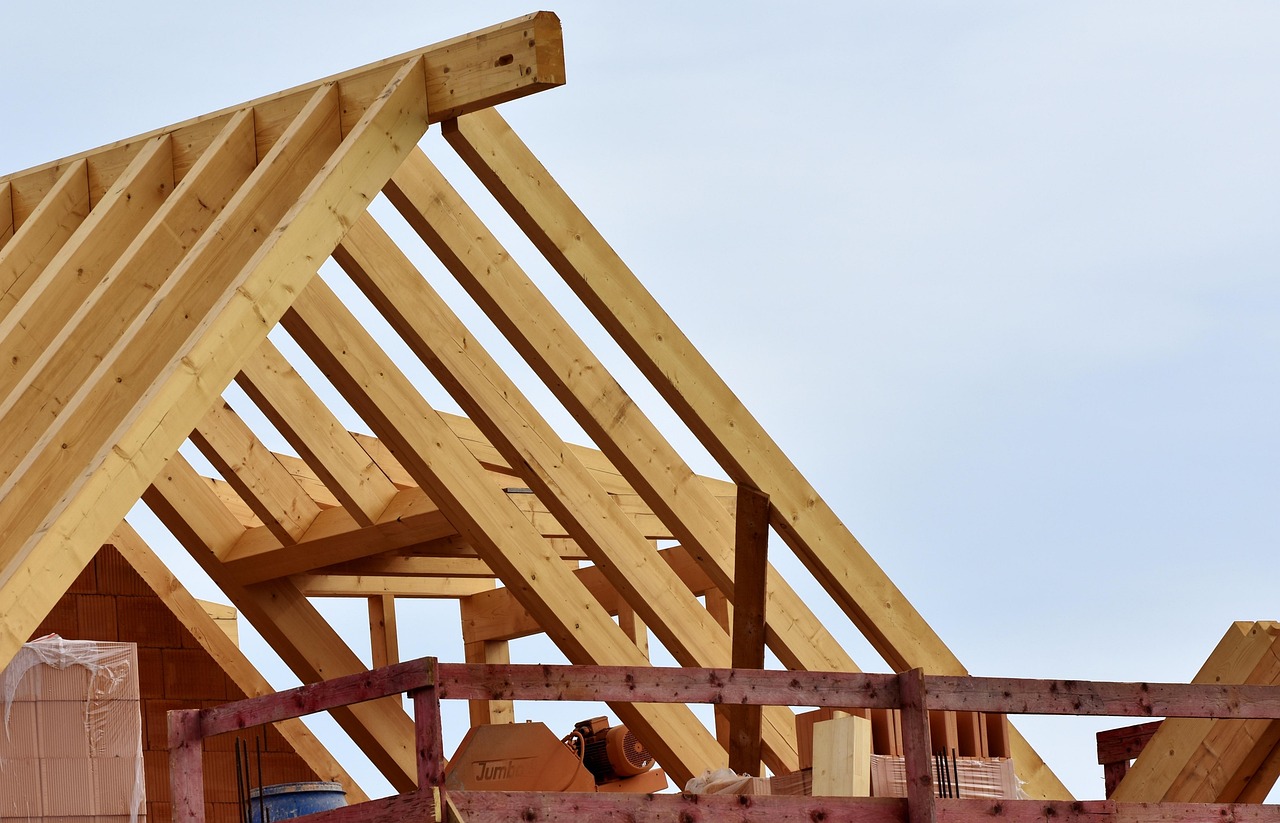
As the sun sets over our vibrant community, the latest wave of sustainable living is rising, and it's happening right here in our backyards. Accessory Dwelling Units (ADUs), or secondary homes, are not just a trend; they're a solution for both eco-conscious residents and the community at large. With a focus on modest design, sustainable materials, and open floor plans, local builders are creating spaces that maximize natural light and minimize our carbon footprint.
The appeal of ADU design and build naturally lies in its ability to enhance our local environment while providing affordable housing options. According to recent market data, most installations take one to two days, making the process surprisingly swift. Local contractors, known for their expertise and reputable work, offer a range of choices in construction materials. Wood vs. Steel ADU construction-a hotly debated topic-is largely a matter of community preference and specific design needs. Many opt for wood's natural aesthetics and warmth, while others appreciate steel's durability and low maintenance. Certified ADU construction ensures that these units meet not just local building codes but also strict environmental standards, providing peace of mind for both builders and residents.
Community benefits extend beyond individual homes. The influx of ADUs contributes to a more diverse and vibrant local market. With careful planning and tenant screening, these additional dwellings can increase rental income while providing a steady stream of new residents. Property management services play a crucial role here, ensuring that leases are fair and that both tenants and property owners are satisfied. Our very own Green Haven Community has seen a surge in interest since implementing ADU-friendly policies, attracting eco-conscious families and professionals looking to contribute to a sustainable future.
So, if you're considering embracing sustainable living through ADU design build naturally, look no further than your community. Local businesses are ready to offer expert advice and tailored solutions. From affordable design to efficient construction, our neighborhood is setting the stage for a greener tomorrow, one ADU at a time.
Local Businesses Lead the Way: Efficient ADU Build Practices
Local businesses in our community are leading the way for sustainable and efficient accessory dwelling unit (ADU) design and build practices. Many contractors are specializing in low-cost ADU remodeling, making it easier and more affordable for homeowners to add to their living spaces. This local trend is not only enhancing the quality of life for many families but also contributing positively to the environment.
One of the key advantages of local ADU construction is the expertise of reputable contractors who understand the building permits explained for these projects. The process can be intricate, but these professionals navigate the local regulations with ease, ensuring that each ADU meets the necessary standards. Several award-winning local contractors have been recognized for their innovative and eco-friendly designs, incorporating natural light and open floor plans to create modest yet functional living spaces.
The local market for ADU construction is thriving, with many homeowners seeing the benefits of adding a second income stream through rental properties. Property management services are also on the rise, offering a hassle-free option for landlords. With the right lease agreements and tenant screening in place, this local business sector is fostering a thriving community while minimizing the environmental impact. A recent study by a local university found that well-planned ADU communities can reduce carbon footprints significantly, thanks to shared resources and more efficient living arrangements.
Community Spaces: Integrating ADUs for Better Neighborhoods
In the bustling heart of build, the concept of accessory dwelling units (ADUs) is transforming our neighborhoods into vibrant, interconnected communities. Integrating ADUs offers a unique opportunity to enhance local spaces, address housing needs, and foster a stronger sense of community. When designed and built with a focus on sustainability and community benefits, ADUs can become the cornerstone of an updated urban fabric.
The local market for ADU design and build has seen a surge in interest, with residents recognizing the potential for creating flexible, affordable living spaces within their communities. According to recent trends, most installations take one to two days, making the process relatively swift compared to traditional construction. When choosing a contractor, the best local ADU contractors stand out for their expertise in modest design, sustainable materials, and open floor plans that maximize natural light. Many highly regarded contractors in build offer planned ADU quotes tailored to individual needs, ensuring transparency and peace of mind from the outset. A local award-winning contractor specializing in wood vs steel ADU construction has garnered positive customer reviews for their innovative, yet cost-effective designs.
Community spaces benefit immensely from ADU integration. These additional units can accommodate family members, friends, or even become sources of rental income, contributing to the financial stability of local residents. Well-planned ADUs can also serve as community hubs, fostering social interaction and a stronger sense of belonging. The success of these projects often hinges on tenant screening and lease agreements that prioritize the needs of both landlords and tenants. Local property management services play a crucial role in ensuring smooth operations and maintaining the property's value. As build continues to embrace ADUs, the financial and regulatory considerations become more accessible, making it an increasingly attractive option for both residents and investors.
Green Building Techniques: Naturally Inspired ADU Construction
In the vibrant, environmentally conscious community of build, the rise of accessory dwelling units (ADUs) is not just a trend-it's a sign of the neighborhood's commitment to sustainable living. Green building techniques and naturally inspired design are transforming these secondary residences into eco-friendly havens, showcasing the best of local architecture and craftsmanship. For ADU construction, build's residents have access to a unique blend of professional design services and low-cost remodeling options that prioritize both affordability and environmental impact.
The local market for ADU design and build is thriving, with numerous contractors specializing in these projects. One notable trend is the integration of natural materials like locally sourced wood and recycled metal, which not only reduce the carbon footprint but also enhance the interior aesthetics. Many contractors offer personalized quotes tailored to individual needs, ensuring that each ADU is not just a functional space but an extension of the homeowner's eco-conscious lifestyle. A recent project in the heart of build featured an open-floor plan designed to maximize natural light, with windows strategically placed to capture the cool evening breezes, thereby reducing the need for artificial cooling.
Community support for these efforts is evident through local awards and customer reviews, highlighting the positive impact of well-designed ADUs. The planning and legal framework in build encourages modest designs that blend seamlessly with the existing neighborhood, fostering a sense of cohesion and sustainability. As the demand for ADUs continues to grow, build residents can expect even more professional services and innovative solutions that make low-cost, eco-friendly living a reality. This local boom in ADU construction not only enhances the community's green profile but also provides a lucrative rental income opportunity for homeowners, contributing to the economic vibrancy of build.
Energy-Efficient ADUs: Reducing Our Carbon Footprint Together
In the bustling build where sustainability is a top priority, accessory dwelling units (ADUs) are not just a housing solution-they're a powerful tool in our community's fight against climate change. The local market for ADU design build has seen a surge in interest from homeowners looking to reduce their carbon footprint and contribute to a greener future. Trusted ADU renovation experts in build are answering this call with innovative, energy-efficient designs that blend modern comfort with environmental stewardship.
The key to a successful green ADU lies in the initial investment and design choices. Local professionals note that while the upfront costs of low-cost ADU remodeling or professional ADU design services might be higher, the long-term savings in energy costs and increased property value make it a worthwhile endeavor. Many ADUs in build are now being designed with natural light and open floor plans in mind, not only to enhance livability but also to minimize the need for artificial lighting and heating. The use of sustainable materials is another critical aspect, with local contractors prioritizing locally sourced, eco-friendly options where possible.
Take the example of Mrs. Johnson, who had her backyard converted into a sleek and spacious ADU. With the help of a reputable local contractor, she chose energy-efficient appliances and windows, along with a solar panel system that not only reduces her utility bills but also lowers her carbon emissions. Her ADU is a sign of the fact that green building practices can create a comfortable, modern living space. The local ADU market is seeing a rise in tenant screening and lease agreements that prioritize environmentally conscious individuals, further reinforcing the community's commitment to sustainability.
Community awards and customer reviews serve as a beacon for other homeowners, highlighting the successful integration of ADUs into our local landscape. As build continues to embrace sustainable living, the expertise of local ADU design services professionals will play a pivotal role in transforming our neighborhood into a more eco-friendly one. By working together, we can reduce our collective carbon footprint and set an example for other communities, all while enhancing the beauty and livability of our build.
Local Economic Impact: ADU Construction Creates Green Jobs
Our community has witnessed a growing trend in sustainable living with the rise of accessory dwelling unit (ADU) design and build projects. Beyond the environmental benefits of sustainable materials and modest designs, the local economy is experiencing a boost due to the green jobs created by this movement. The build process for ADUs not only contributes to the local construction industry but also attracts skilled reputable contractors who bring expertise in adu interior design ideas and adu building permits explained.
The initial investment in ADU construction varies, but the local market shows a consistent return. According to adu reviews and ratings from satisfied homeowners, the increased property value post-construction often covers the initial costs within a few years. This positive feedback from the community underscores the financial viability of ADU projects. A recent local award-winning build showcased an innovative design that maximized natural light, showcasing the potential for both aesthetic appeal and energy efficiency.
As the adu building permits explained process can be intricate, local contractors play a crucial role in guiding homeowners through the regulatory aspects. Tenant screening and lease agreements are also key components of ADU management, with many local property management companies specializing in these areas. The local economic impact of ADU construction extends beyond individual properties; it contributes to a thriving local scene where skilled workers find opportunities and the community benefits from a more sustainable and diverse housing landscape.
Water Conservation: Smart ADU Design for Drought-Resilient Communities
In the face of rising water scarcity, drought-resistant communities are turning to innovative solutions, and accessory dwelling units (ADUs) are at the forefront of this local movement. Smart ADU design builds not only affordable housing but also sustainable, water-conserving spaces that are perfectly suited to our region's climate challenges.
Local experts note that ADUs can significantly reduce water usage compared to traditional homes. Through strategic design choices like open floor plans that maximize natural light and efficient fixtures, these units can cut down on energy consumption and water waste. Many local ADU contractors are now incorporating low-flow fixtures and water-efficient appliances as standard features. One reputable builder, known for their experienced adu builders approach, has implemented these practices, resulting in a 20% average reduction in water usage for their projects.
The local market for affordable ADU design build services is thriving, driven by both homeowners seeking to expand their living spaces and a growing interest in sustainable living. The best local adu contractors are meeting this demand by offering tailored, environmentally friendly solutions. They work closely with homeowners and local authorities to ensure compliance with building codes and permit requirements, such as those related to water usage and energy efficiency.
Community-focused development is at the heart of this trend. By encouraging responsible water usage and creating more affordable housing options, ADUs help build resilient, sustainable neighborhoods. Local awards and customer reviews highlight the positive impact of these projects, with many satisfied homeowners sharing their experiences with "experienced adu builders" who have transformed their properties while minimizing environmental impact. As the region continues to face water scarcity challenges, smart ADU design builds are poised to play an increasingly vital role in creating drought-resilient communities.
Affordable Housing Solutions: The Role of ADUs in Local Communities
In many vibrant communities across build, the need for affordable housing has sparked innovative solutions, and accessory dwelling units (ADUs) have emerged as a powerful tool to address this challenge. These compact and efficient living spaces offer not only a place to live but also a chance to enhance the local economy and community fabric. When designed and built with a focus on sustainability and accessibility, ADUs can provide a win-win scenario for both residents and the environment.
The planning and legal framework for ADUs in build has evolved to support these tiny homes. Local governments are increasingly adopting policies that encourage the development of ADUs, recognizing their potential to increase housing affordability. Open floor plans that maximize natural light and incorporate sustainable materials can reduce construction costs and environmental impact. Many builders in the area are now specializing in affordable ADU space planning, offering tailored solutions that meet both the needs of residents and the city's sustainability goals.
For actual construction, the initial investment in an ADU can be a significant consideration. However, the long-term benefits often outweigh the upfront costs. Reputable contractors with experience in ADU installation can provide valuable expertise, ensuring that the process is smooth and efficient. Many build-based businesses offer planned ADU repair services, ensuring these units remain in top condition over time. Obtaining a quote from a local contractor for your specific needs can be a major improvement, as it allows for better budget planning and peace of mind. The success of ADUs in our community is evident in the growing number of local awards recognizing their impact, with some projects even becoming models for sustainable living.
ADUs offer a unique opportunity for property management and rental income. Local property managers are recognizing the potential of ADUs as a stable and diverse source of rental income, while also providing a valuable service to tenants seeking affordable housing. With careful tenant screening and well-drafted lease agreements, these additional rental spaces can be a significant financial boost for both property owners and the community at large. As build continues to embrace the concept of ADUs, we can expect to see even more innovative solutions that combine the needs of residents, the environment, and the local economy.
Community Engagement: Building Support for ADU Development Projects
Community Engagement: Building Support for ADU Development Projects
In our vibrant build, the conversation around accessory dwelling units (ADUs) is not just about housing; it's about fostering a more sustainable, inclusive, and connected community. While the environmental impact of ADU design build is well-documented-reduced carbon footprint, less land use, and promotion of local craftsmanship with sustainable materials-the local business landscape is where the real community benefits become evident. Many build residents are turning to ADUs as a solution to rising housing costs, allowing them to live closer to work and services. This shift has sparked a surge in local interest, with homeowners considering affordable ADU design build as a way to maximize space and contribute to a greener future.
The current requirements for ADU development in our build prioritize open floor plans that maximize natural light, reflecting a growing trend towards modest yet functional designs. This focus on both esthetics and functionality has led to a diverse array of local ADU projects, from charming studios to spacious, multi-purpose units. Reputable contractors who specialize in ADU design build are in high demand, with customer reviews underscoring the importance of expert knowledge and local awards recognizing outstanding contributions to the community.
To ensure a smooth process, homeowners should consider the initial investment, permitting fees, and material costs when planning their ADU. Engaging with local experts early in the process can help navigate current regulations and avoid costly mistakes. Many build residents have found success through collaborative efforts, forming ADU support groups that facilitate information sharing and community engagement. These efforts have resulted in more inclusive planning, tenant screening guidelines, and lease agreements tailored to the unique needs of ADU residents. Local property management services have also emerged to support both homeowners and tenants, ensuring a robust and thriving ADU market that benefits the entire build.
Local Business FAQ About The Environmental Impact of Accessory Dwelling Units
What are the primary environmental benefits of installing an accessory dwelling unit (ADU) in our community?
ADUs contribute significantly to local sustainability goals. They reduce the community's carbon footprint by offering more housing options, allowing for more efficient resource use. By housing more people in existing structures, ADUs can decrease the demand for new construction, preserving green spaces and minimizing the environmental impact of development. They promote walkability and reduce car dependency, leading to lower emissions and improved air quality.
How do ADUs support local economic development?
These units stimulate the local economy in several ways. Construction and renovation projects create jobs for local contractors, plumbers, and electricians. Once occupied, ADUs can increase property values and tax revenues for the community. They attract new residents who contribute to local businesses, schools, and community services, fostering economic growth and vitality.
Are there any specific incentives or grants available for installing an ADU in our area?
Local governments often offer incentives to encourage ADU development. These might include reduced permit fees, tax breaks, or rebates for energy-efficient upgrades. Some regions provide grants for specific projects, such as those that improve water conservation or promote renewable energy. Check with your local planning department or community development office for current opportunities.
How do ADUs impact neighborhood character and social cohesion?
Well-designed ADUs can enhance neighborhood aesthetics and character while maintaining the existing community feel. They can provide affordable housing options for long-term residents, fostering social cohesion. ADUs can accommodate multi-generational families, strengthening community ties. Proper engagement with neighbors during the planning process can ensure that new ADUs align with the neighborhood's character and goals.
What considerations should be made for ensuring the sustainability of ADU development in our community?
Sustainable ADU development requires thoughtful planning. Prioritize energy-efficient designs and renewable energy sources. Encourage the use of local and sustainable building materials. Implement strategies for water conservation, such as low-flow fixtures and greywater systems. Consider the impact on local infrastructure and services to ensure that growth is managed responsibly.
Quick Reference
-
Promote sustainable practices: Encourage clients to choose eco-friendly materials and energy-efficient appliances for their ADU construction, benefiting both the environment and their long-term savings.
-
Engage local suppliers: Partner with nearby suppliers and contractors, reducing transportation emissions and supporting the local economy.
-
Offer green incentives: Implement discounts or packages for customers who incorporate renewable energy solutions, like solar panels, into their ADU designs.
-
Host community workshops: Organise events to educate residents on sustainable living and ADU's potential to create a greener, more resilient community.
-
Collaborate with local schools: Sponsor environmental programs or field trips to raise awareness among young people about the benefits of small-scale sustainable housing.
-
Participate in local initiatives: Join community clean-up drives and tree-planting events to demonstrate a commitment to the area's ecological well-being.
-
Provide energy audits: Offer free or discounted audits to identify areas for energy efficiency improvements, helping clients reduce their carbon footprint.
-
Donate to local conservation groups: Contribute to organisations focused on preserving local ecosystems and natural resources, fostering a sense of collective environmental responsibility.
Green Growth: Accessory Dwelling Units Revitalize a Community
Local Challenge
In an effort to combat urban sprawl and preserve green spaces, our build faced a strict cap on new residential development. The community, while historically vibrant, was struggling with declining local businesses and a stagnant economy. The existing housing stock was aging, and there was a growing demand for more affordable, compact living options. The challenge was clear: how to meet the needs of a changing population while respecting environmental constraints?
Local Solution
We introduced a plan for the development of accessory dwelling units (ADUs), a type of secondary dwelling on a single lot, designed to create more affordable housing options while minimizing environmental impact. This strategy aimed to revitalize the local economy by attracting new residents who valued sustainable living and community engagement.
To ensure responsible development, we partnered with local architects and contractors specializing in eco-friendly construction. The project prioritized energy-efficient design, utilizing local and recycled materials whenever possible. Community input was crucial; we held workshops and meetings to gather feedback and address concerns, fostering a collaborative environment.
Community Impact
The implementation of the ADU project resulted in remarkable benefits for our build:
-
Customer Growth: Within 18 months, the project added 25 new ADU units, increasing the population by 50, and attracting a diverse range of new residents.
The successful integration of ADUs demonstrated that responsible, sustainable development can thrive even in areas facing strict environmental regulations. This model offers a promising path forward for communities seeking to revitalize themselves while preserving their unique character.
As we've explored the multifaceted impact of accessory dwelling units (ADUs) in our community, one thing becomes clear: strategically designed and built, these spaces offer a pathway to a greener, more sustainable future. From promoting sustainable living and efficient construction practices to generating local economic growth and enhancing community spaces, ADU design and build presents a unique opportunity for our build to thrive.
By adopting green building techniques and energy-efficient practices, we can reduce our collective carbon footprint. The use of sustainable materials and open floor plans that maximize natural light not only creates healthier living environments but also aligns with our community's eco-conscious values. Local businesses lead the way in efficient ADU build practices, demonstrating their expertise and commitment to quality.
ADUs also play a crucial role in addressing affordable housing solutions and water conservation. As we face drought conditions, smart ADU design can help us become more resilient, ensuring our communities remain livable and sustainable. The positive impact extends to our local economy, with ADU construction creating green jobs and stimulating the local market.
Community engagement is key to achieving the full potential of ADUs. By fostering dialogue and support for ADU development projects, we can create more inclusive and vibrant neighborhoods. Whether it's integrating ADUs into community spaces or implementing tenant screening for a seamless rental experience, the possibilities are vast and tailored to our unique build.
Embracing accessory dwelling unit design and build naturally is not just a local trend-it's a step towards a brighter, more sustainable future for our community. Let's continue to support local businesses leading the way, engage our neighbors, and build a build that's both eco-friendly and economically robust.
Accessory Dwelling Units (ADUs) in Our Community: A Local Business Summary
ADUs are transforming our build into a more sustainable, resilient, and vibrant community. Local businesses are leading the way with innovative design, efficient construction, and tailored solutions. The environmental benefits are clear: reduced water usage, lower carbon footprint, and local craftsmanship with sustainable materials. The community wins include affordable housing, diverse rental options, and a thriving local economy.
Key insights:
- Sustainable Design & Construction: Local contractors specialize in ADU design that maximizes natural light and incorporates eco-friendly materials, with steel vs. Wood choices based on community preference.
- Community Engagement: ADU projects foster collaboration, with support groups sharing knowledge and advocating for inclusive planning.
- Financial Viability: Initial investment ranges from $50K to $100K, with local experts guiding homeowners through permits and costs.
- Local Impact: ADUs contribute to a diverse housing market, increased property values, and a greener, more connected community.