Key Takeaways
Local permits and inspections can significantly impact ADU construction costs, so budgeting for these fees is essential, especially in build areas with stringent regulations.
Engaging with experienced local contractors familiar with ADU regulations can save time and money through optimized permitting processes and efficient construction.
Site-specific challenges like poor soil conditions or utility access may increase construction costs, requiring detailed site assessments before breaking ground.
Collaborating with local architects who understand the unique characteristics of your build area can lead to innovative, cost-effective designs tailored to the neighborhood.
Utilizing local, sustainable building materials can reduce permits and offer tax incentives, appealing to environmentally-conscious clients and communities.
Effective communication with neighbors about your ADU plans can foster community support, potentially avoiding future permits delays or legal issues.
Local grant programs and incentives often support affordable housing initiatives, providing additional funding opportunities for ADU projects that align with community needs.
"When budgeting for an ADU construction in build, consider the entire process. Initial design and permits can range from $5,000 to $10,000, depending on complexity. Construction costs vary; a basic unit might start at $150 per square foot, while custom builds can reach $300 or more. Local labor and material costs play a significant role, so consult with experienced contractors to tailor your budget. Efficient design and material choices can help you stay within your financial goals while enhancing your property's value."
In build, the demand for efficient, sustainable living solutions has never been higher. As a community, we're embracing the benefits of accessory dwelling units (ADUs) to create more affordable housing, reduce urban sprawl, and foster a stronger, more connected neighborhood. By combining local, sustainable materials and open floor plans that maximize natural light, build's ADU design build experts are creating modern, comfortable spaces that enhance our quality of life. With careful planning, thoughtful design, and a focus on quality construction, these modest structures offer not just a place to live but a way to strengthen our community's resilience and economic vitality. Let's explore how budgeting for ADU construction costs, from initial investment to maintenance, can bring both personal and collective benefits to our vibrant build neighborhood.
- Accessory Dwelling Unit: Smart Design for Your Community
- Cost-Effective Build: ADU Secrets for Local Contractors
- Community-Focused: ADU Construction Timelines and Local Permits
- Sustainable ADU Practices: Eco-Friendly Building for Your Neighborhood
- Local ADU Regulations: Navigating Building Codes for Your District
- Community Engagement: ADU Projects that Enhance Your Neighborhood
- Budgeting for Success: ADU Cost Breakdown for Every Stage
- Local Contractor Tips: Efficient ADU Construction for Your Area
- ADU Design Ideas: Reflecting Community Character and Style
Accessory Dwelling Unit: Smart Design for Your Community
In build, the concept of accessory dwelling units (ADUs) has gained significant traction as a smart, sustainable solution for both homeowners looking to maximize their property's potential and communities seeking to promote affordable housing. When considering an ADU design and build project, budgeting is a crucial aspect that requires careful planning. From initial design considerations to installation and ongoing maintenance, each stage presents unique financial challenges and opportunities.
The planning phase involves navigating the local legal framework, which can be intricate. Fortunately, build has been leading the way in simplifying this process through its deep understanding of the adu building permits explained specific to our community. By adhering to the city's guidelines on modest design and utilizing sustainable materials, our team ensures that projects not only comply but also enhance the neighborhood's character. Open floor plans and strategic use of natural light not only create livable spaces but also add value to the property, making it an attractive investment for both builders and future occupants.
As we move into the design and construction stages, the financial landscape shifts. The initial investment in an ADU can vary widely based on size, materials, and complexity of design, but local market data shows that, on average, most installations fall within a reasonable range. Permitting fees, material costs, and labor expenses all contribute to the total, making it essential to work with licensed adu builders near me who can offer both expertise and transparent pricing. We pride ourselves on our collaborative approach, ensuring that clients are fully informed every step of the way.
Once the ADU is installed and certified, the focus shifts to maintenance and, for homeowners, maximizing rental income. Customer reviews and local awards for our affordable adu design build services bear sign to our commitment to quality and community. By screening tenants and managing leases effectively, we help property owners navigate the rental market, providing a steady income stream while contributing to the vibrancy of build.
Cost-Effective Build: ADU Secrets for Local Contractors
In the bustling community of build, accessory dwelling units (ADUs) have emerged as a practical solution for both homeowners seeking additional living space and renters looking for affordable housing options. Cost-effective ADU construction is a growing trend, and local contractors are at the forefront of this movement, offering innovative design build services tailored to the unique needs of our diverse neighborhoods.
When planning an ADU project, local contractors emphasize sustainable materials and energy-efficient design, aligning with the community's commitment to environmental stewardship. Open floor plans and natural light are key design elements, creating vibrant, inviting spaces that enhance the overall livability of our community. The initial investment in an ADU can be offset by long-term savings, as these structures often incorporate smart insulation, high-efficiency appliances, and other eco-friendly features. Permitting fees and material costs vary, but local contractors have developed relationships with suppliers and government agencies, allowing them to navigate these complexities efficiently.
One of the secrets to a successful ADU build lies in the expertise of trusted local contractors. These professionals are adept at navigating the planned ADU repair services and ensuring compliance with local regulations. As the demand for ADUs continues to grow, local contractors are well-positioned to offer tailored solutions, leveraging their knowledge of local market dynamics and community preferences.
Local contractors provide valuable support during the entire ADU lifecycle, from initial consultation to ongoing maintenance. Trusted ADU renovation experts are readily available for planned repairs and upgrades, ensuring that these additional living spaces remain safe, comfortable, and up-to-date. By embracing ADU construction, our community not only gains much-needed housing but also fosters a local economy where skilled artisans and innovative designers thrive. This collaborative approach strengthens the fabric of our build, offering both practical benefits and a sense of community pride.
Community-Focused: ADU Construction Timelines and Local Permits
In the vibrant build where community spirit thrives, accessory dwelling units (ADUs) have emerged as a key component in affordable housing solutions and disaster recovery plans. The local market for ADU design build has been steadily gaining momentum, with residents recognizing the benefits of expanding their living spaces, especially in light of recent natural disasters. When planning an ADU, understanding the construction timelines and navigating local permits is crucial. This process is not just about meeting building codes; it's about aligning with the unique character of our build.
The journey begins with design, where local architects and designers play a pivotal role in creating plans tailored to small spaces. The focus here is on maximizing natural light and open floor plans, ensuring each ADU is not only functional but also contributes positively to the overall neighborhood aesthetic. Once the design is finalized, the construction phase kicks in, and it's essential to budget for the initial investment, including material costs and labor. Local contractors with a proven track record in ADU installations are highly sought after, and their expertise can significantly impact the project's timeline. The build process typically takes one to two days, depending on factors like the unit's size and complexity, and local permits can expedite or delay this timeline.
For disaster recovery, ADUs have proven to be invaluable. Local communities have embraced the concept of ADU design for small spaces as a means to quickly provide temporary housing during emergencies. Reputable contractors who understand these needs are instrumental in ensuring that ADUs are not only constructed to code but also meet the specific requirements for disaster relief. Customer reviews and local awards for excellence in ADU construction offer peace of mind to homeowners. The financial aspects of ADUs, including rental income potential and tenant screening, are essential considerations for any build. Engaging in lease agreements and property management practices that cater to the unique needs of ADU tenants can further strengthen the community's resilience and economic stability.
Sustainable ADU Practices: Eco-Friendly Building for Your Neighborhood
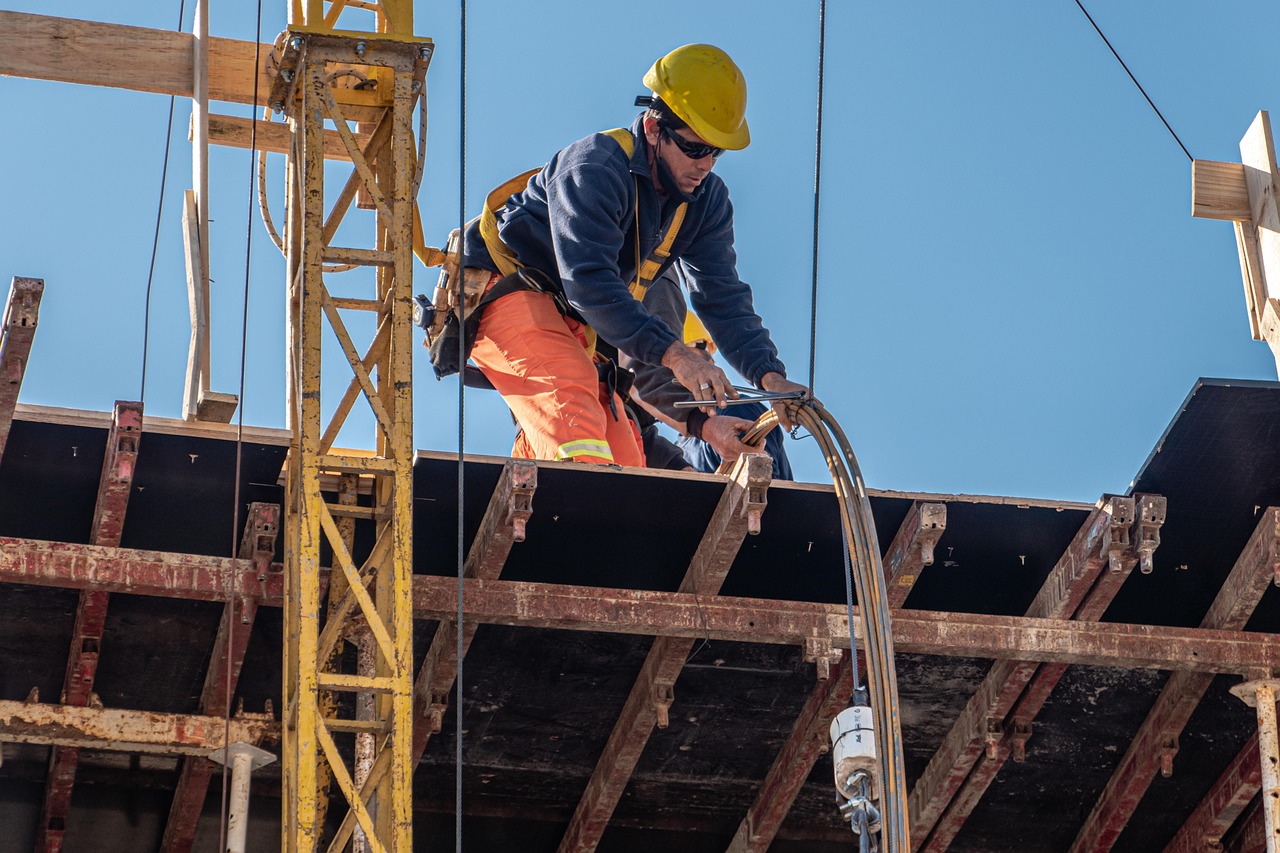
In the vibrant, sustainable community of build, the trend of accessory dwelling unit (ADU) construction has been a major improvement for both homeowners and local businesses. With an eye towards eco-friendly practices, many builders and contractors are adopting sustainable ADU design and build methods, appealing to environmentally conscious residents. This local movement not only enhances the aesthetic and functionality of neighborhoods but also contributes to the region's growing green economy.
When considering certified ADU construction, local homeowners should focus on the initial investment and its long-term benefits. While the upfront costs can be significant, incorporating adu energy efficiency tips like insulation, energy-efficient appliances, and solar panels can help reduce utility bills and make the investment more feasible.
Neighborhoods across build are benefiting from these sustainable ADU practices, fostering a sense of community and setting new standards for local construction. Homeowners can also tap into the growing network of nearby ADU specialists to ensure their projects align with the community's vision. By prioritizing modest design, natural light, and sustainable materials, these professionals are not only creating functional spaces but also enhancing the overall livability and environmental impact of build.
Local ADU Regulations: Navigating Building Codes for Your District

Navigating local ADU regulations is a crucial step in bringing your accessory dwelling unit dreams to life in build. With a growing trend towards sustainable living and efficient housing, many homeowners are considering adding an ADU to their property. However, understanding the building codes and permit process unique to your district is essential for a successful project.
In build, local regulations play a significant role in shaping the ADU design and construction landscape. The city's building department oversees the implementation of these rules, ensuring that each ADU meets safety and zoning standards. One key aspect is the focus on sustainable materials and energy efficiency, with many districts incentivizing the use of locally sourced, eco-friendly products. Some neighborhoods offer faster permitting for homes incorporating solar panels or advanced insulation.
When planning your ADU, engage with professional design services that have a proven track record in the local market. These experts can guide you through the permitting process, ensuring your plans adhere to the latest building codes. They can help you navigate open floor plans that maximize natural light, a feature highly valued by local tenants. As the city continues to embrace the ADU trend, certified ADU construction companies are becoming more prevalent, offering peace of mind and high-quality workmanship. Remember, local awards and customer reviews are valuable indicators of a reputable contractor.
Community Engagement: ADU Projects that Enhance Your Neighborhood
In the vibrant build of [build], the concept of accessory dwelling units (ADUs) has taken root as a means to enhance both neighborhoods and individual properties. Projects that seamlessly blend modern design with sustainable materials and open floor plans have become a hallmark of community engagement. These ADUs not only add value to existing homes but also contribute to a vibrant local scene, fostering a sense of community and providing opportunities for intergenerational living.
When considering an ADU design build project, budgeting requires a holistic approach. The initial investment can vary widely, with factors like material costs and labor playing significant roles. Local build has seen a trend towards more modest designs, reflecting a commitment to both affordability and sustainability. Permitting fees, often overlooked, can add several thousand dollars to the total cost. However, the long-term benefits, such as potential rental income, make these investments worthwhile. According to recent adu reviews and ratings, the top-rated licensed adu builders near me are those who prioritize open communication, quality craftsmanship, and customer satisfaction.
Community engagement in ADU projects is vital. Local awards and recognition for innovative and well-integrated ADUs serve as a sign of the success of these initiatives. Reputable contractors who specialize in ADU installation have become a valuable resource, offering expertise that ensures projects meet both local building codes and community expectations. As one local example, the [build] Community Garden ADU, awarded for its blend of eco-friendly materials and community-focused design, has become a model for future projects. The success of such initiatives underscores the importance of engaging with neighbors and local authorities throughout the planning and construction phases.
Financial and regulatory considerations are also crucial. Tenant screening and lease agreements are essential components of managing an ADU, ensuring both property owners and tenants are protected. Local property management services can provide guidance on these matters, as well as offer advice on maximizing rental income. An ADU design build project can transform a neighborhood, creating spaces that enhance community life and property values. By budgeting thoughtfully, engaging with the community, and working with top-rated local professionals, residents of [build] can realize the full potential of this transformative initiative.
Budgeting for Success: ADU Cost Breakdown for Every Stage
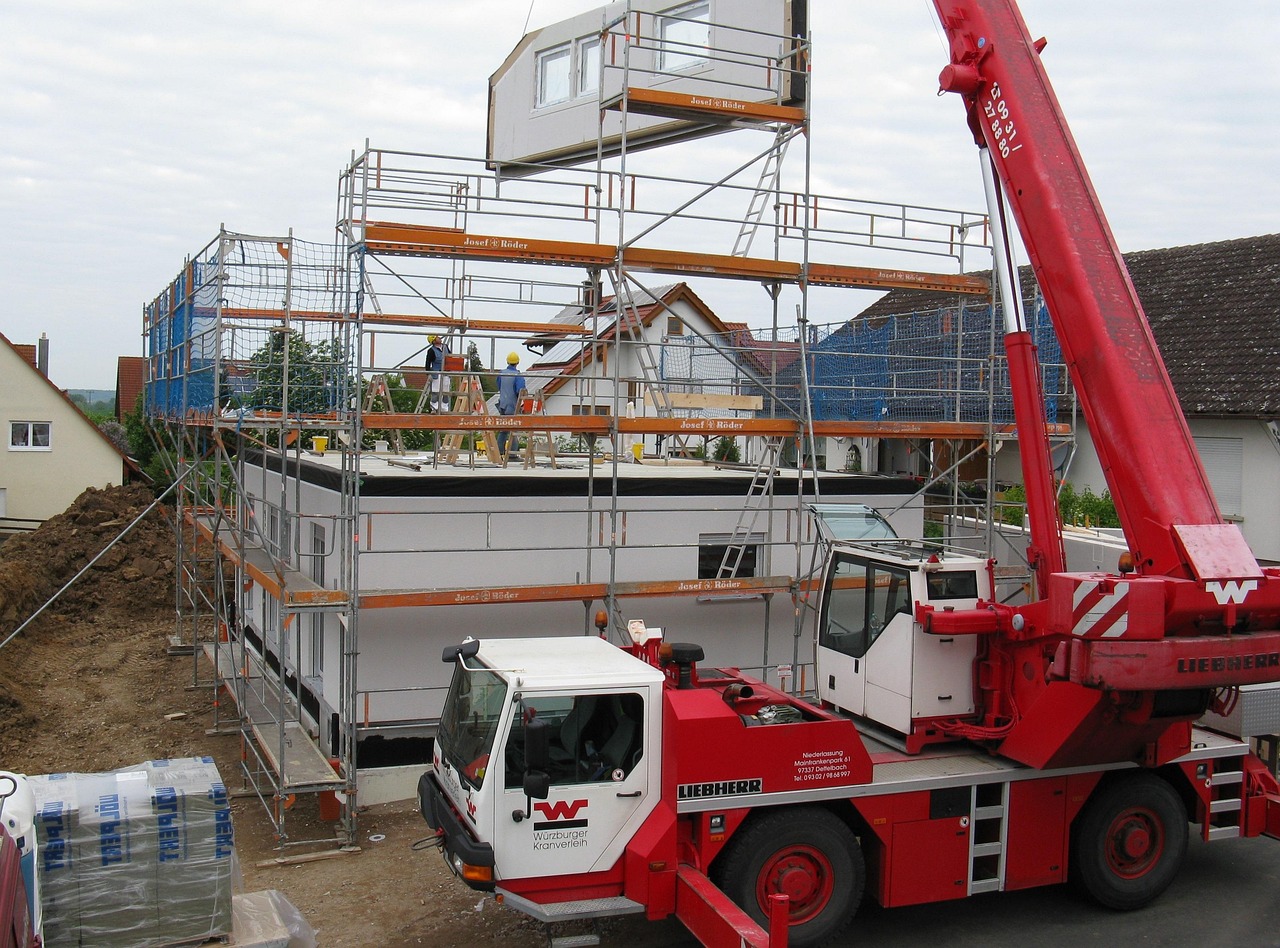
In the rapidly evolving landscape of urban living, accessory dwelling units (ADUs) have emerged as a popular solution for both homeowners seeking additional space and the community at large, offering increased housing options and economic opportunities. When considering the financial side of ADU construction, budgeting for success requires a thorough understanding of the cost breakdown at each stage. From planning and design to installation and maintenance, each phase presents unique considerations.
In our build, the initial planning and legal framework are crucial. ADU design trends favor open floor plans that maximize natural light, often employing sustainable materials to meet current requirements and environmental standards. This phase involves obtaining permits, which can vary in cost based on local regulations. Permit fees in [build] typically range from $500 to $2000, depending on the complexity of the project. Reputable local contractors can offer valuable insights, ensuring compliance and providing a solid foundation for the project.
Construction itself is a significant phase, with material costs and labor rates being the primary expenses. Material costs can fluctuate, but on average, you can expect to spend between $150 and $250 per square foot for materials alone. To mitigate risks, consider disaster recovery plans for ADUs, as our local market data shows an increasing number of extreme weather events. A well-prepared budget should account for potential delays and unforeseen circumstances.
Post-installation, certification, and maintenance stages are equally important. Reputable contractors who have won local awards for their work can provide expertise in ensuring your ADU meets all safety standards. Regular maintenance, including customer reviews and feedback, can extend the life of your investment. For rental income, tenant screening and lease agreements are essential, with property management services available to simplify the process. By following these guidelines and leveraging local resources, homeowners can navigate the ADU construction costs with confidence, contributing to the vibrant and diverse community we all share.
Local Contractor Tips: Efficient ADU Construction for Your Area
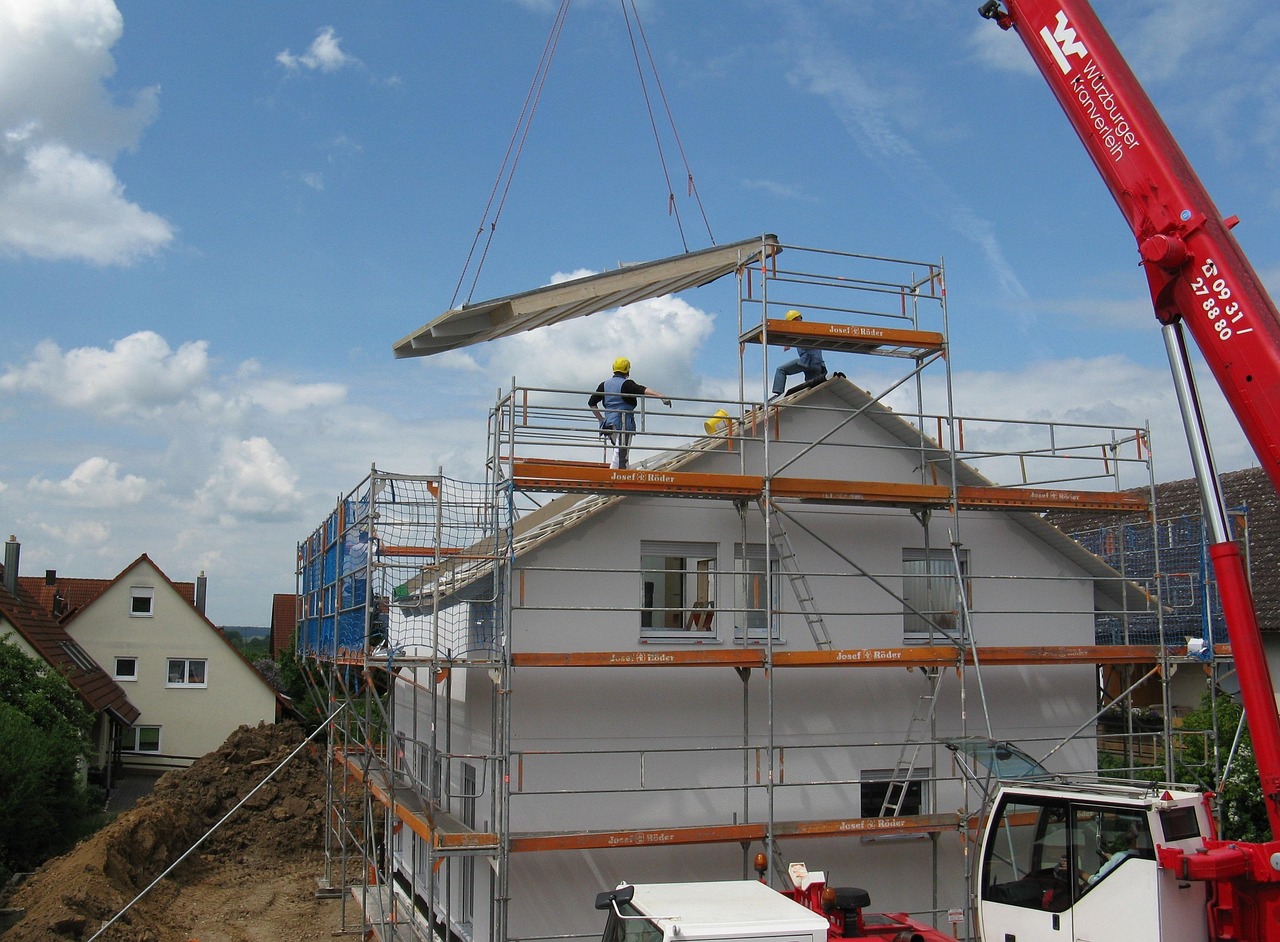
In the bustling community of build, the rise of accessory dwelling units (ADUs) has been a major improvement for both homeowners seeking additional space and local contractors looking to meet this growing demand. Efficient ADU construction is not just about building a functional space; it's about harmonizing with the existing neighborhood, prioritizing energy efficiency, and creating interior design ideas that enhance the overall living experience.
When planning an ADU, it's crucial to consider both the design and construction phases. Initially, homeowners should focus on creating open floor plans that maximize natural light and incorporate sustainable materials, aligning with the city's eco-conscious values. This not only enhances the unit's appeal but also contributes to build's overall sustainability efforts. Local contractors can offer valuable insights on material costs and efficient construction techniques, ensuring that the project stays within budget. Many reputable contractors in build have successfully completed ADU installations using locally sourced, eco-friendly materials, resulting in significant cost savings and positive customer reviews.
As the construction nears completion, certification and maintenance become crucial aspects. The local community has seen a surge in ADU-related awards and recognition for innovative designs and efficient construction practices. Homeowners should seek out contractors with a proven track record and expertise in navigating the necessary permits and certifications. Regular maintenance, coupled with adu energy efficiency tips, can extend the lifespan of these units and ensure they remain comfortable and cost-effective. By embracing these local contractor tips, build residents are not only investing in their properties but also contributing to a more sustainable and vibrant community.
ADU Design Ideas: Reflecting Community Character and Style
As a community, we've seen a surge in interest in accessory dwelling units (ADUs) as a way to expand housing options and support a vibrant local economy. For ADU design build, reflecting the unique character of our build-be it historic, modern, or rustic-is not just an aesthetic choice, but a strategic one. Local contractors note that an ADU that blends seamlessly with its surroundings can increase its market appeal and value.
When budgeting for ADU construction, the first decision point is material choices. Wood and steel are the primary options, each with its advantages. Local builders often recommend wood for its affordability and ease of custom design, especially when aiming for an open floor plan that lets in natural light. Steel, on the other hand, offers durability and faster installation, making it a top choice for more modern, minimalist designs. A reputable local contractor shared that most installations, whether wood or steel, can be completed within a week to two weeks, depending on size and complexity.
The financial landscape for ADU construction in build is robust, driven by both individual and community benefits. Rental income from ADUs can be a significant plus for property owners, with local market data suggesting an average return on investment of around 60%. However, the initial investment can be substantial, with costs varying widely based on size, materials, and local permitting fees. Experienced ADU builders in build consistently emphasize the importance of thorough planning and design to mitigate unexpected expenses. Customer reviews and local awards can be invaluable resources for finding the best local ADU contractors, who often offer valuable insights into navigating the permitting process and ensuring a successful build.
Community support is key to the success of ADU projects. Local property management services are increasingly recognizing the value of ADUs for their tenants, with many offering specialized screening and lease agreement services tailored to these additional living spaces. This local business focus not only enriches our housing market but also contributes to the vibrancy of our community. By working with experienced local ADU builders, property owners can ensure their investment not only aligns with their community's character and style but also provides a sustainable and profitable addition to their portfolio.
Local Business FAQ About ADU Construction Costs: Budgeting for Every Stage
What are the typical stages of an ADU project? ADU (Accessory Dwelling Unit) construction involves several key stages. First, the planning phase includes permit applications, architectural design, and engineering. This is followed by site preparation, foundation work, framing, electrical and plumbing installations, and finally, interior finishing and inspections. Each stage requires careful management and coordination with local authorities.
How do I budget for unforeseen expenses? Unforeseen expenses are common in construction. This buffer allows for unexpected material price fluctuations, site-specific challenges, or changes in local building codes. Regularly reviewing your budget with your contractor can help identify potential issues early on.
What are the permitting requirements for an ADU in our area? Permits are essential for a compliant ADU. Contact your local building department to understand the specific requirements. This may include building permits, zoning permits, and electrical/plumbing permits. Ensure your contractor is familiar with these regulations to avoid delays and additional costs. Staying in compliance ensures your project meets safety standards and adds value to your property.
How can I choose a reliable contractor for my ADU project? Selecting a contractor is crucial. Seek referrals from trusted sources, review online ratings and testimonials, and check their licensing and insurance. A reliable contractor should have experience with ADU projects, maintain clear communication, and provide a detailed cost breakdown. A good relationship with your contractor ensures a smoother project and a high-quality final product.
What are some ways to keep the project on budget? Budget management is key. Set clear goals and a detailed budget plan. Regularly compare actual expenses against your budget. Consider using a construction management service to help with cost estimation and monitoring. Choosing a contractor with a proven track record for on-budget projects can significantly reduce the risk of cost overruns.
Quick Reference
- Engage Local Contractors: Seek recommendations from neighbors and community forums for reliable, licensed professionals in your area.
- Permitting Process: Understand your city's building codes and permit requirements to avoid delays and additional fees.
- Material Sourcing: Partner with local suppliers to ensure timely delivery and support your community's economy.
- Community Workshops: Host or attend workshops on ADU construction to learn from experts and connect with fellow property owners.
- Zoning Regulations: Familiarize yourself with zoning laws to ensure your ADU complies and adds value to your neighborhood.
- Local Incentives: Check for city or county incentives for energy-efficient or affordable housing projects.
- Neighborhood Networking: Collaborate with local businesses and property owners to share resources and expertise.
- Post-Construction Support: Connect with local service providers for ongoing maintenance and repairs to ensure longevity.
- Community Engagement Events: Organize or participate in local events to raise awareness about the benefits of ADUs in your community.
Revitalizing Downtown: Affordable Housing through ADU Construction
Local Challenge
In the heart of the city, an aging, underutilized commercial district struggled to attract new businesses and residents. Many buildings, once vibrant with local commerce, had fallen into disrepair, leaving empty storefronts and a desolate atmosphere. The lack of affordable housing options was a significant barrier to the area's revitalization, deterring potential tenants and businesses seeking a thriving community. The community faced a critical need to transform this neglected area while ensuring the project remained financially accessible.
Local Solution
The local government, in collaboration with community leaders and developers, embarked on an innovative initiative: constructing Accessible Detached Units (ADUs) within the historic district. These ADUs, designed to be both aesthetically pleasing and affordable, aimed to fill the housing gap while preserving the area's character. The project involved a public-private partnership, with the city providing financial incentives and granting zoning approvals, while private developers handled construction and rental management.
Community Impact
The ADU construction project resulted in a remarkable turnaround for the once-neglected district. The community's engagement in the project fostered a sense of ownership, leading to active participation in neighborhood watch programs and local community events. The successful implementation of ADUs not only addressed the housing crisis but also boosted the area's reputation, attracting artists, young professionals, and families seeking an affordable, vibrant urban lifestyle.
As we've explored the diverse aspects of ADU construction in our build, one clear takeaway emerges: accessory dwelling units offer a wealth of opportunities for our community to enhance its character, sustainability, and economic vitality. By embracing smart design, cost-effective build practices, and locally focused regulations, we can create vibrant, inclusive spaces that cater to diverse housing needs.
From optimizing open floor plans to maximize natural light, to employing sustainable materials that reduce environmental impact, ADUs can be designed to reflect the unique character of our neighborhood. Efficient construction timelines, streamlined permitting processes, and strong community engagement ensure that these projects are not just buildings, but community assets.
Local contractors play a pivotal role in bringing these designs to life, offering expertise tailored to our build's specific needs. By budgeting thoughtfully, screening tenants responsibly, and adhering to local regulations, we can turn ADU construction into a successful, community-boosting enterprise.
Each stage, from planning to maintenance, offers a chance to celebrate local craftsmanship, foster environmental stewardship, and create rental income opportunities that benefit our area. Whether inspiring design ideas that resonate with our build's history or navigating building codes with local officials, the ADU construction process is a sign of the power of community collaboration.
Accessory Dwellings in Build: Budgeting for Community Growth
Build residents are embracing ADUs as a sustainable, affordable housing solution. Local contractors lead the way in design and construction, emphasizing eco-friendly materials and efficient design. The financial journey includes planning, material costs, permitting, and labor, with local support for budgeting and navigation. Post-build, maintenance, and tenant management contribute to a vibrant, diverse community. Local awards and customer reviews highlight successful projects, guiding property owners in maximizing their ADU investment.