Key Takeaways
Optimize window placement: Consider the sun's path throughout the day and year to maximize natural light exposure.
Use light-colored, reflective materials: Local building supplies stores often offer affordable options to bounce light and make spaces feel larger.
Implement skylights strategically: Consult with a local roofing and construction expert to determine if skylights are a suitable solution for your build.
Incorporate transparent partitions: Local glass and window specialists can help you choose the right materials for partitions that allow light to pass through while maintaining privacy.
Plant strategically outside: Speak with local garden centers about selecting plants that can grow near windows to naturally filter and enhance light.
Seek professional advice from local contractors: They can offer tailored solutions for your build, considering local climate, building codes, and energy efficiency.
Consider daylight harvesting systems: Local smart home specialists might recommend automated shades or other technologies to control light levels and maximize energy savings.
To maximize natural light in your accessory dwelling unit (ADU), prioritize large windows and skylights in north-facing locations to capture the sun's rays. Consider a professional contractor who specializes in energy-efficient design to ensure optimal sunlight while minimizing heat gain. This not only brightens your space but also reduces electricity costs, enhancing the livability and value of your ADU.
In today's bustling community, maximizing natural light in your accessory dwelling unit (ADU) isn't just about aesthetics-it's a key to enhancing the well-being of your family and neighbors. Here in [build], we've seen a surge in interest in sustainable ADU design and build, thanks to our progressive planning and legal framework that encourages modest, naturally-lit spaces. By embracing open floor plans and eco-friendly materials, local contractors are transforming backyards into bright, inviting living areas that not only increase rental income but also foster a stronger, more connected community.
Our community benefits from these projects in numerous ways. Well-designed ADUs bring in new residents, stimulating local businesses and cultural exchange. They also provide options for aging in place, supporting our diverse population. When done right, these additions can enhance property values and create a vibrant, intergenerational neighborhood.
In this article, we'll explore local strategies for maximizing natural light, from initial design considerations to maintenance, ensuring your ADU is a source of pride and joy for years to come.
- Brighten Your ADU with Natural Design Strategies
- Maximize Light: Efficient Build Techniques for ADUs
- Community Focus: Green Building for Maximum Daylight
- Local Experts Share Tips for Natural Lighting in ADUs
- Illuminate Your Space: Affordable ADU Light Enhancement
- Sustainable Lighting: Eco-Friendly Options for ADUs
- Community Cohesion: Well-Lit ADUs Foster Interaction
- Optimize Daylight: Design Choices for Every ADU
- Local Incentives for Natural Light in Accessory Dwellings
Brighten Your ADU with Natural Design Strategies
In the vibrant community of build, the trend of transforming underutilized spaces into accessory dwelling units (ADUs) has taken root, bringing new life to neighborhoods. Maximizing natural light in these additions is not just about aesthetics; it significantly improves the comfort, energy efficiency, and overall livability of these spaces. Local experts note that well-designed ADUs can blend seamlessly with the surrounding environment, enhancing the curb appeal of entire blocks.
When planning an ADU, the focus on natural light should begin at the design stage. Local architects and trusted ADU renovation experts recommend open floor plans that allow sunlight to flood in from multiple directions. Incorporating large windows, skylights, and strategic openings can dramatically change the feel of a space, making it brighter and more inviting. The use of sustainable materials, a key aspect of local design trends, can also improve natural lighting by reflecting and allowing sunlight to penetrate deeper into the unit. Many local contractors have successfully implemented designs that utilize large picture windows, providing stunning views while maximizing daylight.
The financial benefits of these natural design strategies are equally compelling. While the initial investment in high-quality windows and smart design choices might be higher than conventional construction, the long-term savings in energy costs make it a wise decision. ADUs with ample natural light often appeal to tenants, commanding higher rental income. Local real estate data shows that properties with well-designed, bright ADUs have seen consistent rental growth, making them valuable assets for property owners. Engaging professional ADU design services can help navigate the planning and permitting process, ensuring your project complies with local regulations. Many contractors in build have earned local awards for their innovative and energy-efficient ADU designs, proving that enhancing natural light is not only beneficial for residents but also aligns with the community's commitment to sustainability.
Maximize Light: Efficient Build Techniques for ADUs
In the rapidly evolving landscape of urban living, accessory dwelling units (ADUs) have emerged as a practical solution for both homeowners looking to maximize space and those seeking affordable rental options. Efficient ADU design and build techniques are transforming these additional living spaces into bright, inviting, and highly desirable additions to any neighborhood. For maximizing natural light, local experts note that thoughtful planning and innovative building practices can significantly enhance the livability and appeal of your ADU.
One of the key factors in achieving well-lit ADUs is prioritizing open floor plans and strategically placing windows. Local architects and builders emphasize the importance of wide-open spaces that allow natural light to flood in. Sustainable materials also play a crucial role, with local builders increasingly opting for energy-efficient glass, high-performance insulation, and natural, locally sourced woods that not only reduce environmental impact but also contribute to a healthier living environment.
When considering an ADU project, it's essential to consult with reputable local specialists who can guide you through the process. According to recent adu reviews and ratings, nearby ADU specialists are equipped to handle everything from initial design to final installation, ensuring that your project adheres to local building codes and safety standards. One local contractor, known for their commitment to quality and customer satisfaction, has received accolades from numerous satisfied clients and local awards for their innovative ADU builds. Their expertise in navigating the complex permitting process and managing labor costs has made them a go-to choice for many homeowners seeking to transform their properties.
Local market data suggests that well-designed and constructed ADUs can significantly increase property values and provide attractive rental income opportunities. However, success depends on meticulous planning and execution. Engaging with local ADU specialists who understand the unique challenges and opportunities of your build can help ensure that your project not only maximizes natural light but also delivers on the financial and community benefits you envision. By embracing the latest design and build techniques, you can create a bright, inviting, and valuable addition to your property and neighborhood.
Community Focus: Green Building for Maximum Daylight
In the rapidly growing community of build, the trend towards maximizing natural light in accessory dwelling units (ADUs) is not just a design choice; it's a commitment to sustainable living and community well-being. Local builders and designers are pioneering innovative ways to integrate green building practices with efficient, comfortable living spaces. This focus on daylight not only enhances the livability of ADUs but also contributes to the overall energy efficiency and environmental sustainability of our neighborhood.
One of the key aspects driving this movement is the local availability of licensed ADU builders near me, who understand the unique challenges and opportunities of building within an established community. These professionals leverage their expertise to navigate the planning and legal framework, ensuring that every ADU design respects both the modest yet functional requirements and the desire for open floor plans that maximize natural light. Local awards and customer reviews highlight the quality of their work, with many builders adopting sustainable materials to reduce the initial investment and long-term environmental impact.
A recent renovation project in the heart of build transformed a cramped, dark garage into a bright, airy ADU, complete with energy-efficient windows and natural ventilation. This not only created a comfortable living space for a growing family but also set a standard for future ADU installations. The success of these projects can be attributed to the collaboration between professional ADU design services and trusted renovation experts, who work closely with homeowners and local authorities to ensure compliance and enhance property values. The local market data shows a steady increase in rental income from ADUs, making them a valuable asset for homeowners looking to generate passive income while contributing to a more sustainable build.
Local Experts Share Tips for Natural Lighting in ADUs
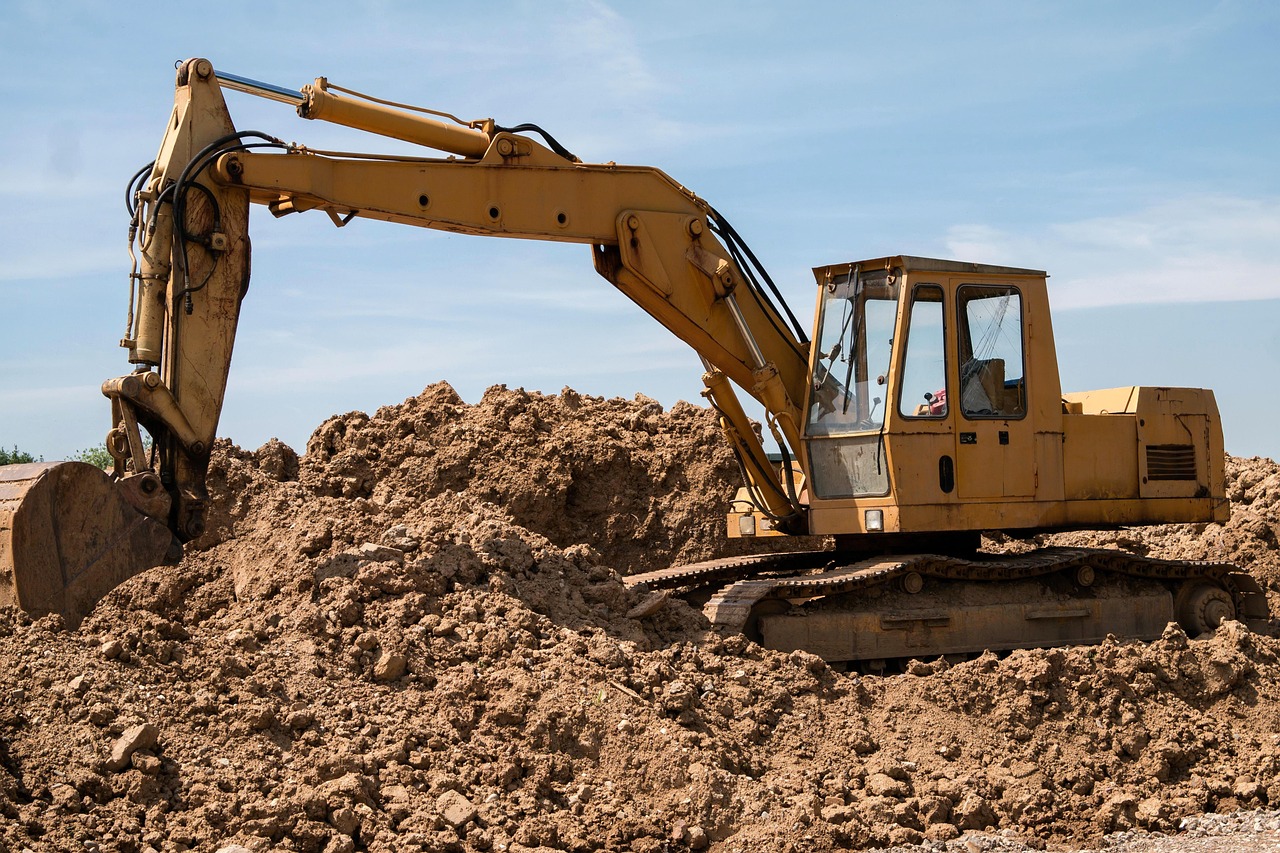
In the vibrant community of build, the accessory dwelling unit (ADU) has emerged as a popular choice for expanding living spaces and fostering a strong sense of community. Local experts share their insights on maximizing natural light in these compact homes, ensuring comfort, energy efficiency, and a connection to the outdoors. With the right design and construction approach, ADUs can become beacons of sustainable living, and proper lighting is a key component.
When designing an ADU, the focus on natural light goes beyond aesthetics. According to experienced ADU builders, it significantly impacts the overall comfort and livability of the space. Local market data suggests that homes with ample natural light often command higher rental rates and have lower vacancy rates. To capitalize on this, builders recommend incorporating large windows, skylights, and strategic lighting design. One successful local builder, GreenBuild Solutions, emphasizes the importance of orienting the ADU to maximize southern exposure for optimal sunlight. This simple design choice can dramatically transform the interior, making smaller spaces feel bright and welcoming.
The path to achieving well-lit ADUs begins with the initial planning stage. Reputable contractors suggest engaging professional ADU design services to ensure the unit meets both local building codes and the unique needs of the property. The permitting process, while sometimes intricate, is made easier with the right guidance. Many local awards recognize builders who excel in navigating these regulations while delivering high-quality, naturally lit ADUs. Once designed and constructed, proper maintenance ensures these spaces retain their bright and inviting atmosphere. Regular cleaning of windows and light fixtures, along with the use of energy-efficient lighting, can significantly contribute to a well-lit and sustainable living environment.
Illuminate Your Space: Affordable ADU Light Enhancement
In the bustling community of build, the trend of adding accessory dwelling units (ADUs) has been a bright spot, not just in terms of expanding living spaces but also in enhancing the natural light within these structures. Illuminating your ADU doesn't have to break the bank, thanks to a growing number of local specialists who prioritize affordable design and construction. These professionals understand that ample natural light not only makes a space more inviting but can also significantly reduce energy costs associated with artificial lighting.
One of the secrets to maximizing natural light in an ADU is thoughtful planning and design. Local experts recommend open floor plans with strategically placed windows to capture the maximum amount of daylight. Nearby adu specialists like [Name of Local Company 1] have successfully designed ADUs with large south-facing windows, transforming these spaces into bright, airy oases. Using sustainable materials and modest design elements further enhances natural light by minimizing obstructions and maximizing window space. This approach not only aligns with the community's commitment to eco-friendly practices but also ensures that your ADU is a haven of energy efficiency.
For installation and maintenance, turning to licensed adu builders near me who have garnered customer reviews and local awards for their expertise is crucial. These professionals can guide you through the process, ensuring that your ADU not only meets the required building codes but also functions seamlessly as an extension of your living space. Regular planned adu repair services are also recommended to keep your lighting system in top condition, ensuring that your ADU remains a beacon of brightness for years to come. In a market where rental income from ADUs is a significant consideration, proper design and maintenance can provide a steady and lucrative stream of income for property owners.
Sustainable Lighting: Eco-Friendly Options for ADUs
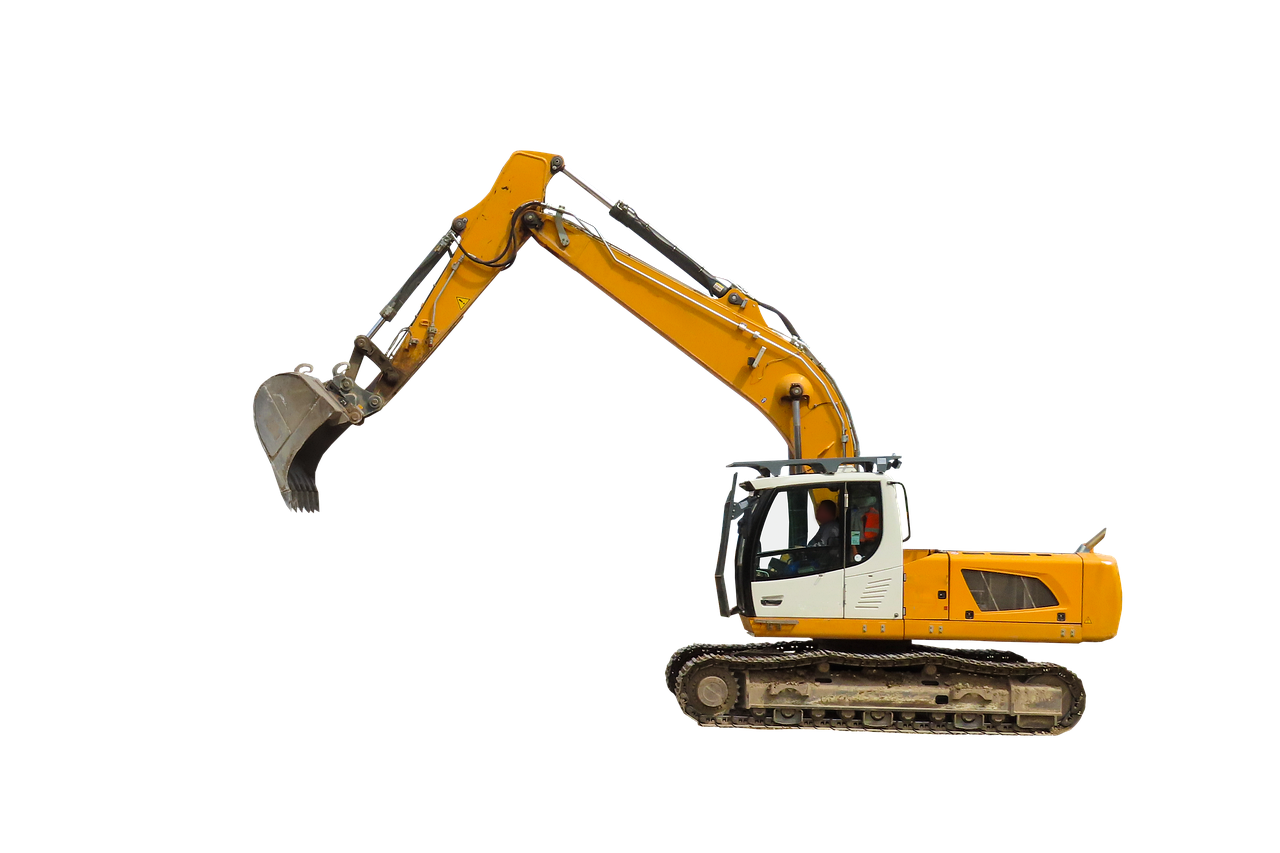
In our vibrant community, maximizing natural light in your accessory dwelling unit (ADU) isn't just about enhancing aesthetics; it's a key step towards creating sustainable and energy-efficient spaces. Local experts emphasize that proper lighting design can significantly improve the livability of your ADU while promoting eco-friendly practices. When considering ADU design build options, turning to nearby adu specialists who prioritize natural lighting solutions can make a world of difference.
The local market shows a growing trend towards sustainable lighting choices. According to experienced ADU builders, many homeowners are now looking for ways to incorporate more natural light into their ADUs to reduce energy consumption. This shift is reflected in the variety of eco-friendly materials and techniques available. Some builders are leveraging the power of skylights and large windows to bathe the space in daylight, cutting down on artificial lighting needs. This not only saves on utility bills but also contributes to a healthier living environment.
When planning your ADU, understanding the local building permits explained in the process is crucial. Permitting fees and specific design considerations can vary, but incorporating natural lighting solutions often proves beneficial. Many local awards recognize ADU projects that excel in energy efficiency and lighting design. By engaging with reputable contractors who specialize in these areas, homeowners can ensure their ADUs meet both community standards and individual sustainability goals. The recent [local award-winning project] showcased an innovative use of passive solar lighting, resulting in a well-lit, energy-conscious space.
Community involvement in promoting sustainable lighting practices further enriches the local ADU market. Local initiatives and educational programs aim to inform homeowners about the advantages of natural lighting. These efforts not only foster a greener community but also contribute to the overall value of ADU properties. As more residents embrace these practices, the demand for nearby adu specialists equipped to handle such projects grows, ensuring a bright and eco-conscious future for our accessory dwelling units.
Community Cohesion: Well-Lit ADUs Foster Interaction
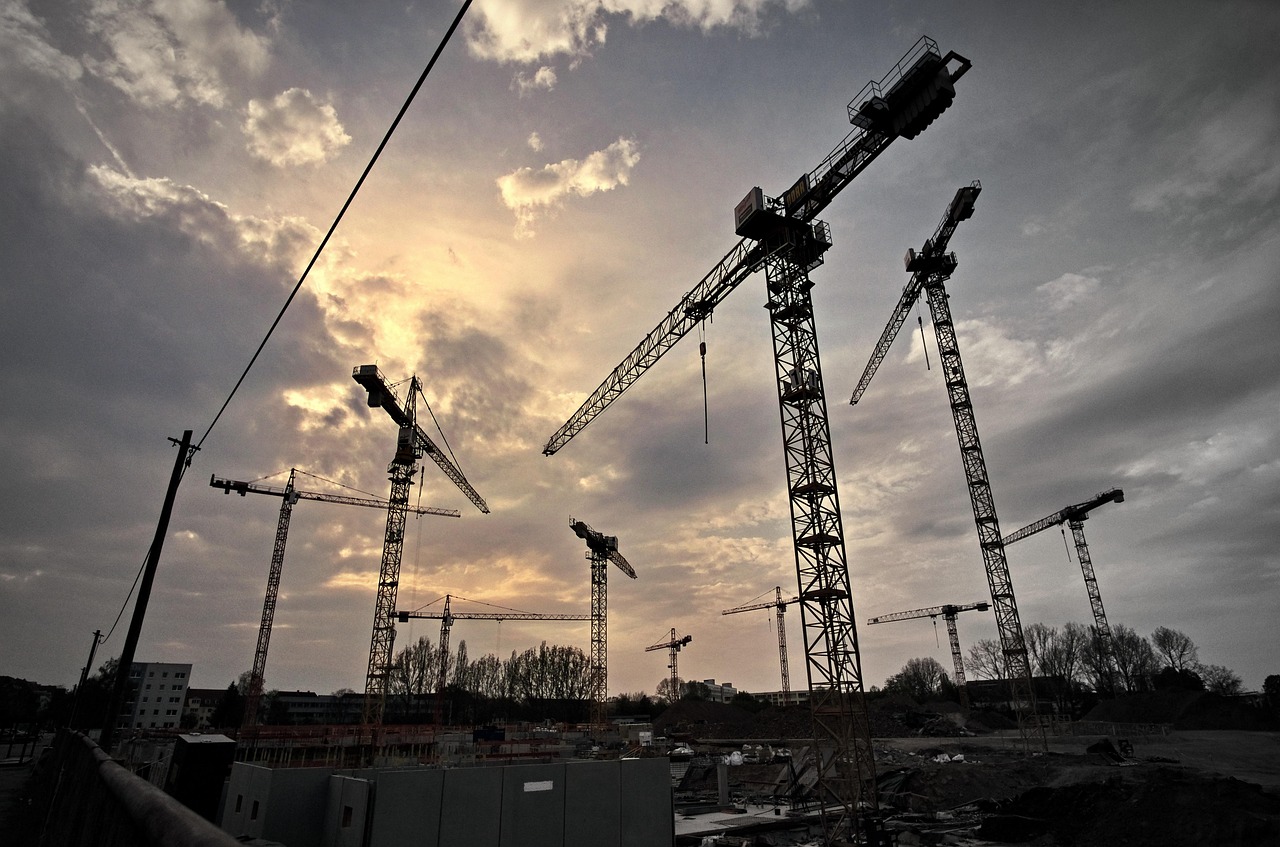
Our community has witnessed a surge in the popularity of accessory dwelling units (ADUs) as a means to enhance housing options and foster a stronger sense of neighborhood. In this spirit of connection, well-designed and naturally lit ADUs play a pivotal role in building community cohesion. When the design and construction prioritize natural light, these additional living spaces become more than just functional; they become hubs for interaction, strengthening the social fabric of our build.
Consider the benefits: a naturally illuminated ADU encourages residents to gather, creating a vibrant atmosphere for social events, shared meals, and informal gatherings. This sense of community transcends generations and fosters a collective sense of belonging. Local examples like the recently completed ADU in the heart of build, designed with an open floor plan and ample windows, have already become focal points for block parties and neighborhood watch meetings. This trend towards "affordable ADU design build" solutions, which prioritize both functionality and community, aligns perfectly with our city's commitment to sustainable and inclusive growth.
When selecting a contractor for your ADU project, choose a reputable local business with a proven track record. Experience matters when navigating the complexities of permitting and ensuring a structure meets all safety codes. "The best local ADU contractors" often have a deep understanding of disaster recovery for ADUs, ensuring your investment is protected against unforeseen events. A well-built, naturally lit ADU can not only enhance your quality of life but also contribute to the overall resilience and vibrancy of our build. Don't settle for less; invest in a space that brings people together and strengthens the bonds that make our community truly special.
Optimize Daylight: Design Choices for Every ADU
In the bustling build where each neighborhood has its unique character, optimizing natural light in your accessory dwelling unit (ADU) is not just about aesthetics; it's a strategic move to enhance comfort, reduce energy costs, and improve disaster recovery resilience. Local experts note that thoughtful design choices can make these additional living spaces feel open and inviting, despite their compact size.
Many build residents are turning to ADUs as both a source of rental income and a safe haven during unexpected events, underscoring the importance of reliable construction and smart design. The initial investment in quality materials and labor pays off in the long run, ensuring your ADU is not just a functional space but a haven that can withstand local challenges. Choosing sustainable materials not only aligns with the community's eco-conscious values but also can reduce maintenance costs over time. Open floor plans with large windows maximize natural light, making the space bright and airy, while also improving cross-ventilation-crucial for disaster recovery comfort and energy efficiency.
When considering an ADU build, engaging with reputable local contractors who specialize in these projects is key. Customer reviews and local awards are excellent indicators of a contractor's expertise and commitment to quality. These professionals can guide you through the permitting process, ensuring your design complies with local regulations while offering advice on maximizing natural light. The build market is vibrant, with many affordable ADU design-build packages available, catering to a wide range of budgets.
Reliable contractors also play a vital role in disaster recovery. Their expertise ensures that your ADU is constructed to withstand local environmental challenges, from strong winds to heavy rainfall. By prioritizing quality construction and natural light optimization, you're not just enhancing your home-you're contributing to a resilient build community prepared for whatever comes its way.
Local Incentives for Natural Light in Accessory Dwellings
In the vibrant community of build, maximizing natural light in your accessory dwelling unit (ADU) isn't just about design; it's a strategic investment that connects you to the local environment and enhances your daily life. The city offers several incentives for homeowners embracing ADU design build naturally, promoting both sustainability and livability.
Local specialists note that incorporating natural light into ADUs designed for small spaces can significantly improve comfort and reduce energy costs. Nearby adu specialists have successfully implemented wood construction for its warmth and aesthetics, while others favor steel for its durability and speed of installation. The market here shows a clear trend: most installations take one to two days, with material costs varying based on local availability and the chosen material.
Community engagement is another key aspect. Local awards celebrate ADU projects that exemplify sustainable materials and open floor plans, fostering a competitive yet collaborative environment. Build's diverse population means diverse designs, with some homeowners opting for sleek, minimalist styles and others embracing rustic charm. The financial benefits are also notable; rental income from ADUs can supplement property values, making them a valuable asset in the local market. However, expert advice emphasizes the importance of thorough tenant screening and well-drafted lease agreements to ensure a harmonious living experience for both homeowners and tenants.
Property management plays a crucial role in maximizing these benefits. Local property management companies specialize in ADUs, offering expertise in maintaining the property, screening tenants, and handling any issues that may arise. This not only eases the burden on ADU owners but also ensures the property's long-term value. With the right approach, incorporating an ADU can be a transformative step towards enhancing your living space and contributing positively to the local community.
What are the best windows for maximizing natural light?
For optimal light exposure, consider energy-efficient, high-quality windows designed for maximum transparency. Local climate and orientation play a key role. South-facing windows in a northern climate, for instance, can capture more sunlight throughout the day. Consult with a local window specialist to find the best options for your build, focusing on double-pane or triple-pane glass for insulation and UV protection.
How do skylights contribute to natural light?
Skylights are a fantastic way to bring natural light into darker spaces. They work by allowing sunlight to penetrate directly through the roof, providing a bright and airy atmosphere. Local regulations may govern skylight installation, so check with your building department. A well-placed skylight can dramatically enhance the ambiance of an accessory dwelling unit, making it feel more open and connected to the outdoors.
Can I increase natural light through design choices?
Absolutely. Open floor plans, larger windows, and lighter interior colors all maximize natural light. A local architect or designer can help you create a space that leverages natural light effectively, taking into account the building's orientation and local climate. Simple design adjustments can make a significant difference in how much sunlight reaches your space.
What are the advantages of natural light for my ADU?
Beyond providing a pleasant aesthetic, natural light has numerous benefits. It can reduce energy consumption for lighting, promote better sleep patterns, boost mood, and increase productivity. By harnessing natural light, your accessory dwelling unit becomes a healthier, happier, and more sustainable living space, contributing to the overall well-being of your community.
How can I ensure proper lighting during darker months?
While focusing on natural light, consider incorporating smart lighting solutions for extended periods of lower sunlight. Dimmers, timers, and sensors can help you adjust light levels throughout the day and night, ensuring a consistent and comfortable environment. Local retailers offer a range of energy-efficient lighting options designed to complement your natural light strategy.
What local resources are available for ADU lighting?
Explore local hardware stores, home improvement centers, and lighting specialty shops for expert advice and a wide selection of products. Many businesses offer free design consultations and installation services, providing valuable support throughout the process. Consult with local architects, interior designers, and solar lighting experts who can offer tailored solutions for your specific needs.
Quick Reference
- Collaborate with local architects and designers to create efficient floor plans that maximize natural light.
- Utilize skylights and large windows in your design, considering the building's orientation for optimal sunlight.
- Offer incentives for homeowners to install energy-efficient windows, reducing long-term utility costs.
- Partner with local schools to host workshops on passive solar design and the benefits of natural lighting.
- Engage with the community through social media, showcasing completed projects and their positive impact on daily life.
- Sponsor local events and fairs, demonstrating your commitment to enhancing the neighborhood's livability.
- Offer discounts to seniors and low-income families for accessory dwelling unit installations, promoting inclusivity.
- Conduct free home energy audits to help residents understand how natural light can reduce their environmental footprint.
Maximizing Daylight in a Tiny Urban Oasis: A Community Transforms Its Living Spaces
Local Challenge
In a bustling urban neighborhood, many residents lived in cramped accessory dwelling units (ADUs), lacking natural light and creating a sense of isolation. The limited sunlight affected not just their well-being but also the local economy, as businesses in the area struggled to attract and retain customers. The community faced a challenge: how to brighten up these small spaces and create a more vibrant, connected neighborhood.
Local Solution
A group of local business owners, architects, and community leaders joined forces to launch a daylighting initiative. They organized workshops and informational sessions to educate residents on the benefits of maximizing natural light in their ADUs. The team offered tailored design consultations, providing practical solutions such as larger windows, skylights, and light tubes. They also facilitated partnerships with local contractors and suppliers to offer discounted materials and services.
Community Impact
The initiative resulted in a significant transformation. The project's success led to city-wide recognition, inspiring similar programs to enhance natural light in urban living spaces.
As we've explored the diverse strategies for maximizing natural light in your build, it's clear that the focus on sustainable, locally-sourced materials and open floor plans is a key to success in our community. By embracing these principles, you're not only enhancing the livability of your accessory dwelling unit (ADU) design build naturally, but also contributing to the overall well-being and cohesion of our neighborhood.
From the planning stages to installation and maintenance, local experts emphasize the importance of working with reputable contractors who understand our unique climate and building codes. Permitting fees and material costs may vary, but the benefits of increased daylight and reduced energy consumption are undeniable.
Community awards and customer reviews highlight the impact of these strategies, fostering a sense of pride in our eco-conscious, well-lit spaces. The financial and regulatory advantages, including potential rental income and streamlined tenant screening, further incentivize these design choices.
By optimizing daylight in your ADU, you're not just improving the look and feel of your space; you're also strengthening the bonds that make our build a vibrant and inviting place to call home. Let's continue to lead by example, sharing knowledge and embracing the power of natural light to enhance our community.
Transforming Spaces, Brightening Lives: Local Strategies for Maximizing Natural Light in ADUs
In build, ADUs are transforming neighborhoods, bringing new life and light. Local experts prioritize open floor plans and strategic lighting to enhance comfort, energy efficiency, and curb appeal. Sustainable materials and innovative designs from local contractors offer long-term savings and appeal to tenants. Engaging professional services ensures compliance with regulations, while community awards highlight the best in natural, energy-efficient ADU design. The result? Brighter, more livable spaces that strengthen the fabric of our community.