Scheduling and dependencies are key when designing and building an Accessory Dwelling Unit (ADU). To ensure a smooth process, we first identify the primary contractor, then create a detailed timeline. This involves sequencing permits, utility connections, and construction phases, with a focus on minimizing disruption to your daily life. Our local expertise ensures these steps are tailored to your build's unique needs and local regulations.
Key Takeaways
- Local building codes and permits can significantly impact ADU construction timelines; ensure compliance early to avoid delays.
- Engaging with community-based organizations can help navigate neighborhood concerns and streamline approval processes for ADU projects.
- Leveraging local, licensed contractors who understand the unique challenges of ADU construction can lead to smoother execution and fewer surprises.
- In-demand features like efficient energy systems and smart home technology can enhance the value and appeal of ADUs, attracting tenants quickly.
- Prioritizing accessibility and universal design elements in ADU planning can open up a broader market and cater to diverse needs.
- Partnering with local suppliers and tradespeople can reduce transportation costs and foster a strong, supportive local economy.
- Focusing on quality craftsmanship and adhering to local standards ensures that ADUs are built to last, increasing property values for everyone.
In the bustling community of build, the demand for efficient, sustainable living solutions is on the rise. Accessory dwelling units (ADUs) offer a perfect fit, providing both extra space and community value. Our local market thrives on innovative design and thoughtful construction, with a focus on modest yet functional spaces that maximize natural light and incorporate sustainable materials.
Beyond the aesthetic appeal, ADUs bring economic benefits to our neighborhood. They create rental income opportunities for homeowners, fostering financial stability and community wealth. They support a vibrant local economy by engaging reputable contractors and suppliers, ensuring high-quality construction and positive customer reviews.
Before starting any build project, understanding the legal framework and scheduling dependencies is crucial. Our community-focused approach emphasizes careful planning, open floor plans, and efficient use of space to meet the diverse needs of our residents. Let's explore how these strategies can transform your build into a thriving, interconnected part of our community.
- Local Permits and Regulations for ADU Design Build
- Community Support and Engagement in ADU Projects
- Sustainable and Eco-Friendly ADU Construction Practices
- Local Architects and Designers for Accessory Dwelling Units
- ADU Cost Estimates: Budgeting for Your Community Project
- Community Benefits of Accessory Dwelling Unit Integration
- Local Contractor Selection for Quality ADU Builds
- ADU Legal and Property Rights: What Every Homeowner Should Know
- Community Workshops on Accessory Dwelling Unit Design and Construction
Local Permits and Regulations for ADU Design Build
In the vibrant community of build, the surge in interest in accessory dwelling units (ADUs) has brought both opportunities and challenges. For the design and construction of these additional living spaces, understanding the local permits and regulations is crucial. The process begins with a deep examine the building codes and zoning laws specific to build, which can vary significantly from neighborhood to neighborhood.
The city of build has recognized the potential of ADUs for increasing housing affordability and fostering community density. As a result, it has streamlined permitting processes for qualified projects. Trusted ADU renovation experts in the area recommend starting with a thorough assessment of your property and its zoning. Once you understand the local regulations, the next step is to obtain the necessary permits. This typically involves submitting detailed plans that highlight the proposed design, structural integrity, and adherence to sustainable materials and open floor plan requirements favored by the city. The permitting process can be seamless when you work with contractors who have experience navigating these local regulations, ensuring your project stays on track.
Beyond planning and design, build's market for ADU construction is characterized by a growing demand and a competitive yet skilled workforce. According to recent customer reviews, certified ADU construction services in the area have been in high demand, with most installations completing within one to two days. However, disaster recovery for ADUs poses a unique challenge, requiring expertise in rapid reconstruction to restore these units after unforeseen events. Local businesses that specialize in this aspect are gaining recognition for their quick response and high-quality work. As the ADU market continues to evolve, build residents can expect improved services and a more robust local economy.
Community Support and Engagement in ADU Projects
In our vibrant community, the trend of transforming underutilized spaces into accessory dwelling units (ADUs) has gained significant momentum. This not only adds to the local housing stock but also fosters community engagement and supports affordable housing initiatives. When planning and building these additional living spaces, engaging with trusted local experts is crucial. Reputable contractors specializing in ADU design and renovation bring a wealth of knowledge about current building codes and sustainable materials, ensuring your project meets all requirements while minimizing environmental impact.
Community support matters in the success of ADU projects. Local governments have implemented policies to encourage these developments, with many awards and recognition programs celebrating innovative and well-designed ADUs. Engaging with the community early on is key to ensuring these projects align with the neighborhood's character and aspirations. The city's recent "Affordable ADU Space Planning" initiative has resulted in over a dozen successful projects, showcasing the potential for inclusive growth. Property owners interested in converting their spaces should seek advice from local experts who understand the nuances of the market and can offer tailored solutions.
Financial considerations are another critical aspect. While the initial investment for an ADU can be substantial, the potential rental income can make it a lucrative venture. However, screening tenants and drafting clear lease agreements are essential to protect both the property owner and the renter. Local property management services can offer guidance on these matters, ensuring a smooth and profitable experience. As the demand for rental properties continues to grow, ADUs present a unique opportunity to create additional, much-needed living spaces within our community. By working with trusted local professionals, property owners can turn their visions into reality while contributing to the vibrancy of our neighborhood.
Sustainable and Eco-Friendly ADU Construction Practices
In the vibrant community of build, sustainable and eco-friendly practices have become the norm, especially for accessory dwelling unit (ADU) design and build. Local contractors are leading the way in creating affordable, energy-efficient spaces that not only add value to properties but also contribute to a greener future. One notable trend is the use of locally sourced, sustainable materials, such as recycled wood and energy-saving insulation, which reduce construction waste and lower carbon footprints.
When planning an ADU, it's crucial to consider disaster recovery strategies, given build's unique challenges. Wood construction, a popular choice for its versatility, offers superior resilience against seismic activity compared to steel. Local experts recommend reinforced framing and flexible design elements that can withstand potential natural disasters, ensuring safety and peace of mind for future tenants. Build's diverse housing market demands a range of ADU designs, from modern studios to cozy bungalows, catering to various lifestyles and budgets.
The initial investment in an ADU can be offset by significant rental income, making it a smart financial move for homeowners. However, local market data suggests that tenant screening and robust lease agreements are essential. Reputable contractors in build have honed their skills in navigating the permitting process, ensuring compliance with local codes and regulations. Many have also earned local awards for their expertise, customer reviews, and commitment to quality. To stay affordable, builders often collaborate with architects to maximize natural light and open floor plans, reducing material costs and providing a comfortable living space.
Community engagement is key to successful ADU projects. Local businesses and residents can contribute by providing feedback during design phases and supporting property management efforts. This collaborative approach fosters a strong sense of community while addressing housing needs. With disaster recovery in mind, build's ADU builders are committed to creating not just homes, but resilient, sustainable habitats that enhance the overall well-being of the neighborhood.
Local Architects and Designers for Accessory Dwelling Units
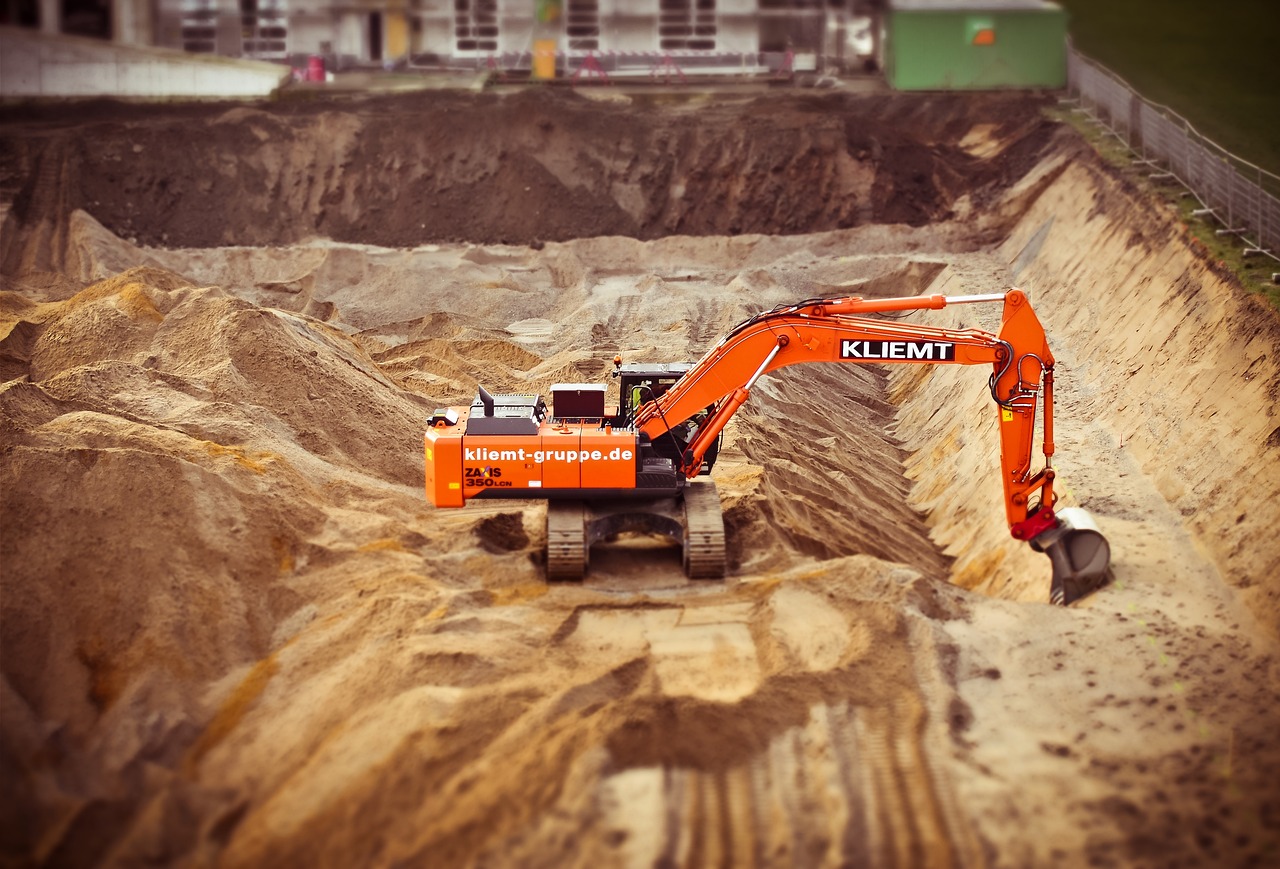
In the vibrant community of build, the integration of accessory dwelling units (ADUs) has emerged as a sustainable and practical solution for both homeowners seeking additional living space and renters looking for affordable options. For bringing these versatile structures to life, local architects and designers play a pivotal role in ensuring that each ADU is not only functional but also seamlessly blends into the existing neighborhood fabric.
The design and construction of ADUs require a unique blend of creativity and technical expertise. Local architects and designers, with their deep understanding of the build's specific needs and preferences, can craft ADUs that maximize natural light and open floor plans, two features that not only enhance comfort but also contribute to the energy efficiency that is a hallmark of sustainable design. These professionals are intimately aware of the local building codes and permitting processes, streamlining the path to completion. Many top-rated ADU installation services in build have been recognized for their efficient and compliant construction, ensuring that new residents can move in quickly.
When selecting a contractor, it's crucial to consider their initial investment, material costs, and labor rates. Licensed ADU builders near me are well-equipped to offer transparent pricing and expert advice. Customer reviews and local awards serve as reliable indicators of their quality and service. Several builders have garnered praise for their use of sustainable materials and their ability to adapt designs to meet the unique challenges of building within a community. As the demand for ADUs continues to grow, the market for certified ADU construction is robust, with many local builders investing in specialized training to stay at the forefront of this burgeoning industry.
To design and construction, local businesses offer comprehensive property management and tenant screening services, providing a one-stop solution for homeowners looking to monetize their ADU space. Lease agreements tailored to both landlords and tenants, along with ongoing maintenance support, contribute to a harmonious living environment. By partnering with locally licensed and reputable ADU builders, homeowners can ensure that their investment not only adds value to their property but also enhances the community's overall well-being.
ADU Cost Estimates: Budgeting for Your Community Project
When planning an Accessory Dwelling Unit (ADU) in our community, understanding the financial landscape is crucial. Cost estimates for ADU design and build can vary widely, influenced by factors like location, size, and complexity. These numbers can be further impacted by the choice of materials-sustainable and locally sourced options often add a premium but contribute to long-term cost savings and environmental benefits.
Before breaking ground, budgeting requires factoring in permitting fees, which can range from a few hundred to a few thousand dollars, depending on the size and complexity of the project. Material costs also vary significantly, with the cost of labor being another major expense. Local contractors specializing in ADU installation command competitive rates, with top-rated services often charging $100 to $200 per square foot. For a modest 400-square-foot unit, expect labor costs to range from $4,000 to $8,000. To ensure a smooth process, engaging professional ADU design services early on is advisable. These experts can provide valuable insights into local regulations, helping to avoid costly delays.
Community members have found success through collaborative planning and the use of planned ADU repair services. By working together, residents can leverage bulk purchasing and share resources, potentially reducing overall costs. Local awards and recognition programs for top-rated ADU installations serve as a sign of the quality and impact of these projects. Engaging with these initiatives not only enhances the community's built environment but also fosters a culture of responsible and well-planned development.
Community Benefits of Accessory Dwelling Unit Integration

In the bustling community of build, the integration of accessory dwelling units (ADUs) has emerged as a strategic solution for both housing needs and community development. These secondary dwellings, when designed and built with a focus on affordability, sustainability, and community harmony, offer a myriad of benefits. Local businesses specializing in affordable ADU design build have been at the forefront of this trend, leveraging their professional ADU design services to create spaces that not only meet the practical needs of residents but also enhance the overall aesthetic and livability of the neighborhood.
The adu interior design ideas that have gained traction in build prioritize open floor plans and natural light, ensuring these smaller dwellings feel both spacious and inviting. This attention to design not only improves the quality of life for ADU inhabitants but also increases property values for surrounding homes. Many local contractors report a surge in demand for ADU conversions, with clients seeking to maximize rental income while contributing positively to the community. The initial investment for ADU construction can be offset by the potential for increased property tax revenue and rental income, making it a viable option for homeowners looking to diversify their portfolios.
One of the key community benefits of ADU integration is the increased housing availability and affordability. By strategically placing these units in underutilized spaces, local businesses are helping to address the region's housing crisis. The local awards and positive customer reviews for reputable contractors demonstrate the high level of craftsmanship and customer satisfaction associated with adu design build projects. This industry growth is further supported by local market data indicating a rising demand for ADUs among both homeowners and renters. As build continues to embrace this trend, it stands to become a model community for sustainable, inclusive, and economically vibrant urban living.
Local businesses involved in adu design build are also leveraging their expertise to navigate the permitting fees and material costs associated with these projects, ensuring they remain accessible to a wide range of residents. The tenant screening and lease agreement processes are streamlined to protect both landlords and tenants, fostering a sense of security and stability within the community. The community benefits of accessory dwelling unit design build extend far beyond the physical structures, encompassing economic vitality, social cohesion, and a commitment to sustainable living.
Local Contractor Selection for Quality ADU Builds
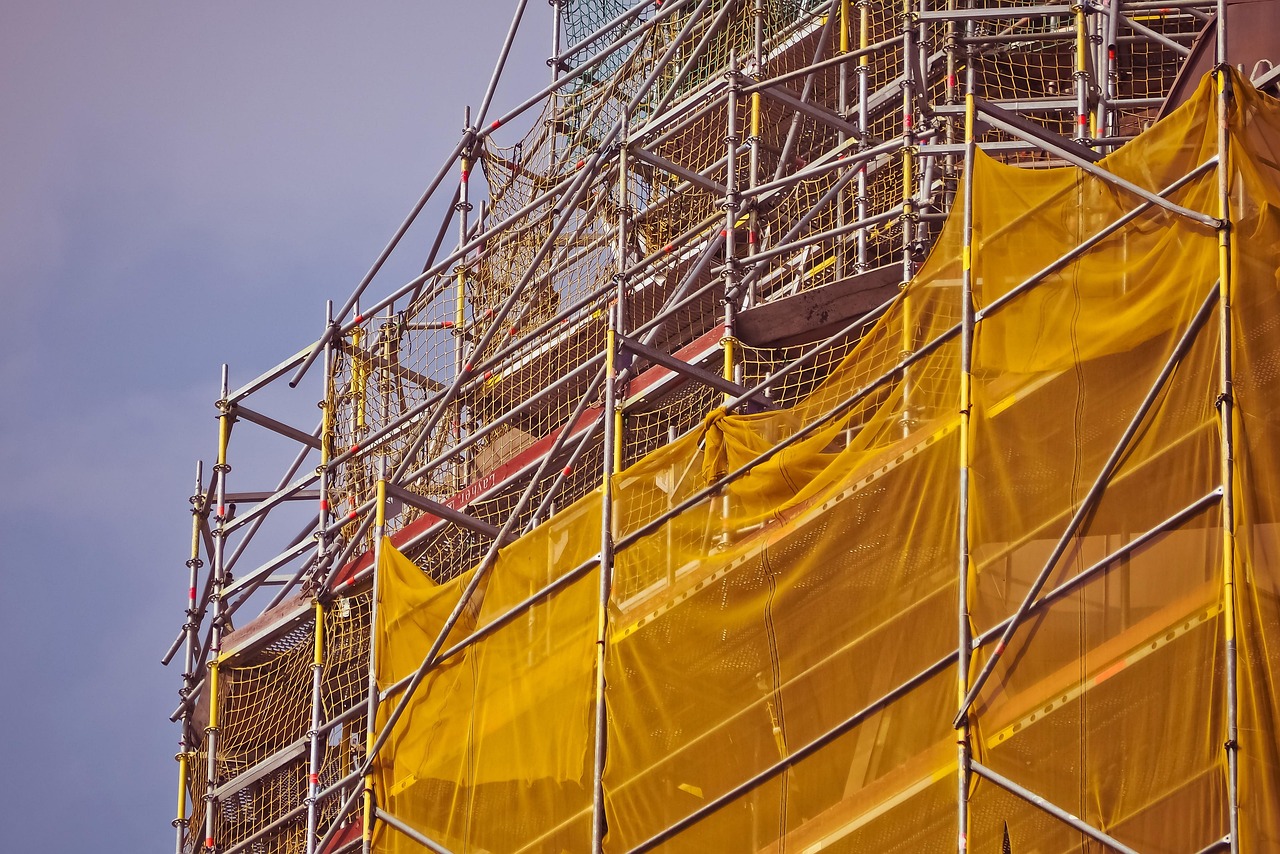
Selecting a qualified local contractor is a crucial step in the successful design and build of an accessory dwelling unit (ADU) in our community. With a growing demand for affordable and sustainable living solutions, many homeowners are turning to ADU construction as a means to create additional housing and generate rental income. However, navigating the permitting process and finding a reputable builder can be daunting tasks.
In build, understanding the local ADU building permits explained is essential. Each neighborhood may have specific guidelines and requirements, and working with a contractor familiar with these can ensure a smoother process. Certified ADU construction specialists are well-versed in these local regulations, from open floor plans that maximize natural light to the selection of sustainable materials. They can guide you through the initial investment and material costs, helping to keep your project on budget. Many local contractors offer affordable ADU space planning services, providing valuable insights into maximizing square footage and functionality.
When considering a contractor, check their customer reviews and local awards to gauge their expertise and reputation. The build community benefits from having reputable professionals who prioritize quality and customer satisfaction. Many ADU builders have honed their craft through years of experience, ensuring that your project is not only compliant but also a sign of their skill. Property management and tenant screening are also important aspects that contractors can assist with, providing a seamless experience for both homeowners and renters. By choosing a local expert, you contribute to the community's growth while gaining a valuable asset.
ADU Legal and Property Rights: What Every Homeowner Should Know
In build, navigating the legal landscape of accessory dwelling units (ADUs) is crucial for homeowners looking to expand their living spaces. Understanding local regulations and property rights is essential before breaking ground on an ADU design and build project. The current requirements in build prioritize modest designs, sustainable materials, and open floor plans that maximize natural light, reflecting a community-focused approach.
Before starting construction, homeowners should familiarize themselves with the permitting process and associated fees. According to local trends, initial investment for an ADU can vary widely, with material costs and labor fees significantly impacting the overall budget. A recent survey of nearby ADU projects revealed an average permit fee of $2,500, while material costs ranged from $15 to $30 per square foot, depending on the chosen materials. Engaging with reputable contractors who have experience with local ADU regulations can help streamline the process and ensure compliance.
Choosing the right design and construction team is paramount. Local awards and customer reviews can serve as valuable guides when selecting an ADU specialist. Many homeowners opt for affordable ADU design build packages that include both architectural services and construction, ensuring a seamless and cost-effective process. For build, where real estate is competitive, an ADU can provide a practical solution for growing families or generate rental income. However, successful implementation hinges on meticulous planning, adherence to current requirements, and the expertise of local professionals. Property managers and tenant screening services are also important considerations to ensure a smooth rental experience.
Community Workshops on Accessory Dwelling Unit Design and Construction
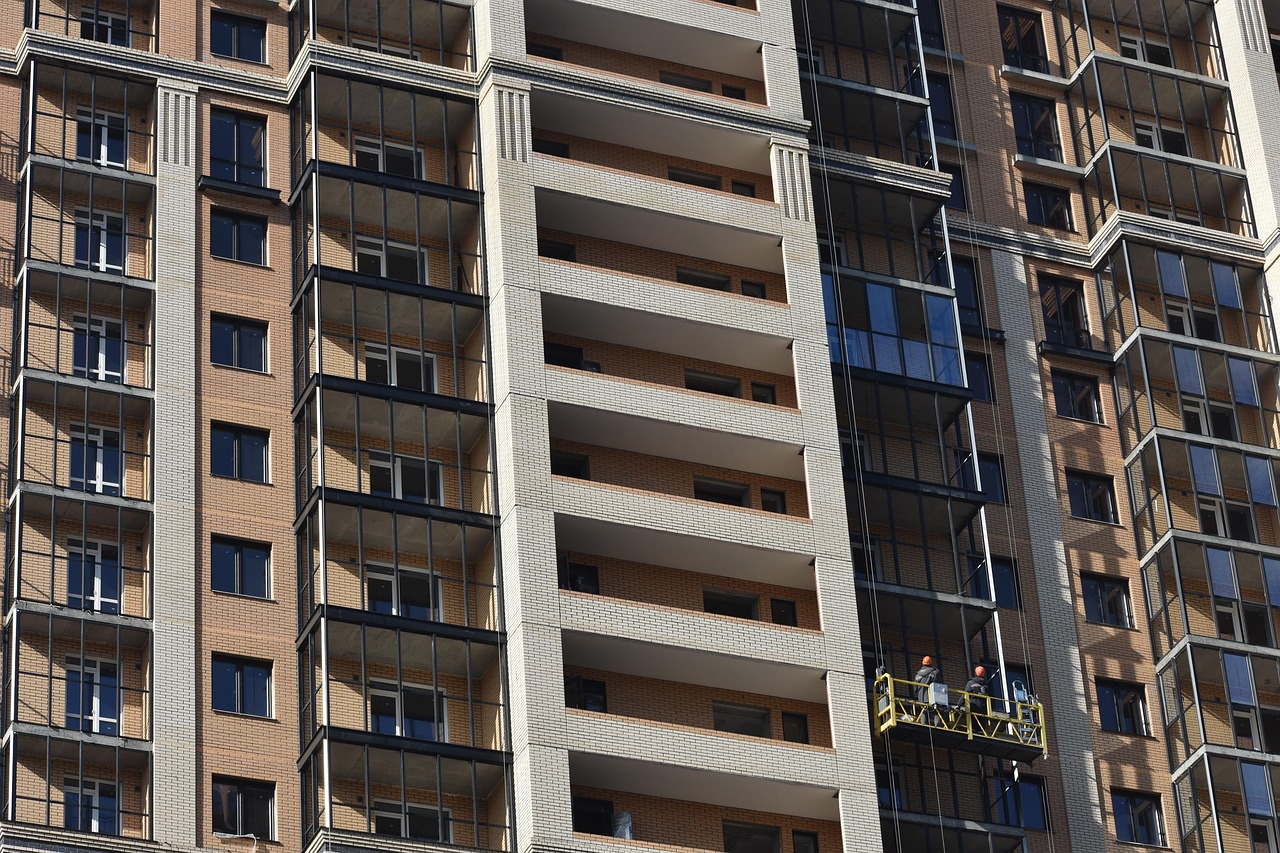
In the vibrant community of build, the recent surge in interest for accessory dwelling units (ADUs) has sparked a series of engaging Community Workshops focused on design and construction. These workshops, organized by local advocates and licensed ADU builders near me, aim to democratize knowledge about this growing trend in sustainable living. Participants gain insights into the latest adu design for small spaces, leveraging the unique challenges of urban environments. The workshops cover everything from selecting the right materials, ensuring optimal natural light and open floor plans, to navigating the current adu design trends.
One notable example is the success story of a local couple who, with the help of these workshops, transformed their backyard into a modern, legal ADU. Their experience, shared through customer reviews, highlights the accessibility and benefits of these tiny homes. The event series also includes discussions on the financial and regulatory aspects, covering topics like rental income potential, tenant screening best practices, and lease agreements. This holistic approach equips homeowners with the knowledge to embark on their ADU journey with confidence.
The workshops serve as a sign of the community's commitment to innovation and sustainability. Local experts stress the importance of verifying the latest adu design requirements to ensure compliance and safety. By fostering open dialogue and sharing practical knowledge, these gatherings empower homeowners to contribute to the vibrant build ecosystem. They contribute to the local economy by promoting licensed adu builders who can cater to the growing demand for these versatile spaces.
Quick Reference
-
Engage with local trade groups: Collaborate with neighborhood associations and local chambers of commerce to ensure your ADU projects align with community needs and regulations.
-
Prioritize local suppliers: Source building materials and services from local businesses to support the community economy and reduce delivery times.
-
Offer community workshops: Host educational sessions on ADU construction and design to empower homeowners and foster local knowledge.
-
Establish a local referral network: Partner with complementary local businesses to cross-refer clients, streamlining service access for your customers.
-
Participate in community events: Sponsor local festivals and fairs to increase brand visibility and connect with the community on a personal level.
-
Comply with local building codes: Ensure your ADU designs adhere to regional building regulations to avoid delays and maintain community safety standards.
-
Engage in green building practices: Incorporate sustainable materials and designs to appeal to eco-conscious homeowners and contribute to a greener community.
-
Promote local history: Incorporate elements of the neighborhood's history into ADU designs, preserving cultural heritage and creating unique community spaces.
Local Business FAQ About Accessory Dwelling Unit Design Build: Scheduling and Dependencies Before Work Begins
What are the typical steps in designing and building an ADU?
The process begins with a detailed site assessment and planning phase. This involves understanding local building codes, zoning regulations, and obtaining necessary permits. Once approved, architects and builders create custom designs tailored to your property and needs. The build phase follows, typically lasting 1-2 months, depending on the complexity. Regular communication and site visits ensure the project stays on track, resulting in a safe, compliant, and functional new living space.
How long does it take to complete an ADU project from start to finish?
From initial consultation to final inspection, ADU projects usually span 3-6 months. This timeline includes design, permitting, construction, and any necessary inspections. Effective communication with your design-build team is crucial to minimize delays and ensure a smooth process.
What local permits are typically required for an ADU?
Permits required vary based on location, but generally, you'll need a building permit, a plumbing permit, and potentially an electrical permit. For an ADU, check with your local building department for specific requirements, including zoning permits, to ensure a smooth and compliant construction process.
How can I ensure my ADU project stays within budget?
Clear communication and detailed upfront planning are essential. Discuss your budget openly with your design-build team. They can provide cost estimates and help identify potential cost-saving measures. Regular progress updates and transparent accounting practices will keep you informed throughout the project, minimizing budget surprises.
What are some local incentives or benefits for building an ADU?
Adding an ADU can increase your property value and provide a lucrative rental income stream. Many communities offer tax incentives, grants, or reduced permit fees to encourage ADU development. These local benefits not only support sustainable living but also enhance your property's long-term value.
Revitalizing Urban Living: A Community-Driven Accessory Dwelling Unit (ADU) Project
Local Challenge
In a densely populated urban area, the local community faced a growing need for affordable housing and more livable spaces. Many residents desired additional rooms or separate apartments to accommodate expanding families or to generate rental income. However, the process of building accessory dwelling units (ADUs) was complex and time-consuming, often involving permitting delays and coordination issues with various contractors. This challenge led to a lack of ADUs, impacting the community's ability to meet its housing demands.
Local Solution
To address this issue, a local non-profit organization, Urban Housing Solutions, initiated a collaborative project with city planners and builders. They developed a streamlined ADU design-build program, offering a simplified, efficient process for both homeowners and builders. The program included pre-approved architectural plans, standardized building codes, and a dedicated project manager to facilitate communication and coordination. By centralizing these aspects, the initiative aimed to reduce permitting times and construction costs, making ADU development more accessible and attractive.
Community Impact
The ADU project had significant and measurable results. Within the first year, 20 new ADUs were completed, providing housing for 45 individuals and families. The initiative also fostered community engagement, leading to the formation of a local ADU owners' association, which organizes social events and shares resources, enhancing the overall urban living experience.
As we've explored the diverse aspects of accessory dwelling unit (ADU) design and build in our community, it's clear that these structures offer a multitude of benefits for both homeowners and our local ecosystem. From planning and legal considerations to construction practices and community engagement, each step of the process is vital for creating sustainable, high-quality spaces.
Locally, we've seen the positive impact of ADUs on rental markets, providing affordable housing options and diverse revenue streams for property owners. Community workshops and engaged contractors ensure that these builds align with our region's unique character, utilizing sustainable materials and open floor plans that maximize natural light. Reputable architects and designers bring their expertise to the table, resulting in award-winning ADUs that enhance local aesthetics.
ADUs foster a stronger sense of community by promoting social interaction and supporting intergenerational living. Proper tenant screening and lease agreements, coupled with effective property management, ensure a harmonious coexistence for both homeowners and renters.
As we move forward, it's crucial to continue these conversations and collaborations. By embracing ADU design build, we not only enhance our living environment but also solidify our community's commitment to sustainability, innovation, and shared prosperity.
Community Insight: Build residents are embracing accessory dwelling units (ADUs) for increased housing affordability and density.
Local Strategies:
- Permitting Streamlined: The city has simplified ADU permitting processes, making it easier for projects to get approved.
- Sustainable Design: Open floor plans, natural light, and eco-friendly materials are favored in ADU designs, reflecting community values.
- Community Engagement: Workshops and open dialogue encourage homeowners to learn about ADU design and construction while fostering a sense of community.
Benefits & Takeaways:
- Affordable Housing: ADUs provide additional rental options and help alleviate housing shortages.
- Financial Opportunities: Initial investment and rental income potential offer a viable economic strategy for homeowners.
- Community Growth: ADUs contribute to a vibrant, inclusive community through smart design, construction, and tenant support.
- Local Expertise: Reputable contractors and property managers ensure seamless ADU projects and positive tenant experiences.