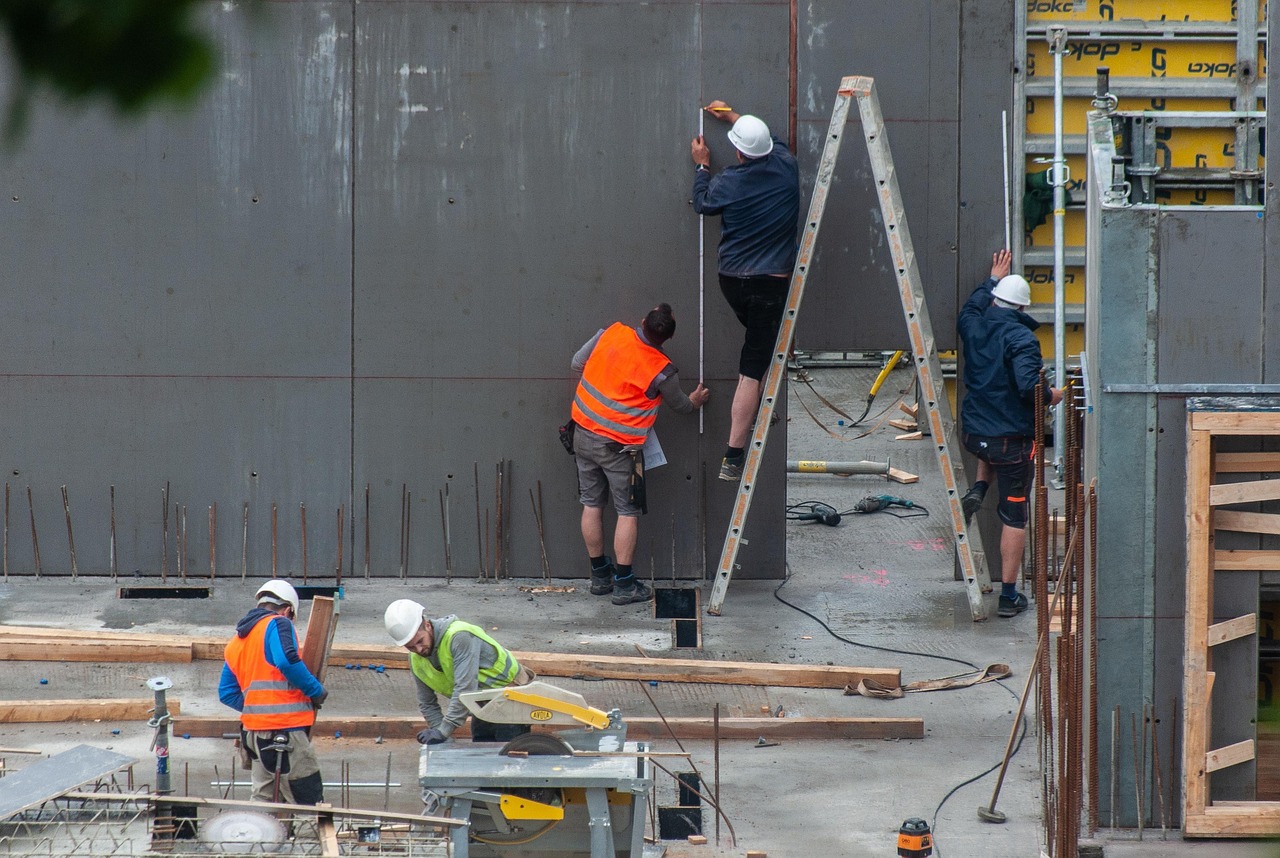
Key Takeaways
Understand specific zoning regulations: Local laws dictate ADU placement, size, and design, so review zoning codes to ensure compliance before breaking ground.
Secure necessary permits: Obtain building, electrical, and plumbing permits from the appropriate local authorities to avoid legal issues and potential fines.
Engage local contractors: Building relationships with contractors familiar with ADU construction and local codes can streamline the building process and ensure quality workmanship.
Prioritize accessibility and safety: Ensure the ADU meets local accessibility standards and incorporates safety features, like smoke detectors and fire extinguishers, to protect tenants and property.
Consider community benefits: Some areas offer incentives for ADU construction, promoting affordable housing and community vibrancy, so inquire about local programs that could benefit your project.
Communicate with neighbors: Open communication with neighbors about your plans can foster positive relationships and address potential concerns early in the process.
Starting with the local permits and regulations is crucial when building an Accessory Dwelling Unit (ADU). In our area, you'll need to obtain a building permit from the local building department, which ensures your project complies with safety and zoning codes. The process involves submitting detailed plans, and a building inspector will review them. Once approved, you can proceed with construction, benefiting from increased housing options and potentially enhancing your property value while adhering to all necessary local regulations.
In the vibrant build community, the trend towards accessory dwelling unit design build (ADU) is transforming neighborhoods and empowering residents. As a hub for sustainable living and innovative design, build stands out for its commitment to modest, yet luxurious, open floor plans that maximize natural light. This community-focused guide examines the local permits and regulations surrounding ADU construction, highlighting the benefits this popular choice brings to both homeowners and the build fabric. From harnessing sustainable materials to boosting rental income, we explore location-specific strategies to ensure a seamless and rewarding ADU building experience, all while navigating the local regulatory landscape.
- Accessory Dwelling Unit: Design and Build Basics
- Local Permits: Streamlining Your ADU Project
- Community Benefits: Why ADUs Thrive Here
- Building Codes: Navigating Regulations for Success
- Architectural Styles: Creating Unique ADUs
- Local Contractors: Finding Expert Help
- Property Value: Understanding ADU Impact
- Neighborhood Support: Building Community Together
- Green Building: Sustainable ADU Practices
Accessory Dwelling Unit: Design and Build Basics

In the bustling community of build, the accessory dwelling unit (ADU) has emerged as a popular and practical solution for both homeowners seeking additional living space and those looking to invest in the local market. For designing and building a successful ADU, local expertise is key. The process involves navigating a unique blend of planning, legal, financial, and construction considerations tailored to our vibrant neighborhood.
The design and build process starts with understanding the current trends and requirements. Many homeowners opt for low-cost ADU remodeling, incorporating sustainable materials and open floor plans that maximize natural light. Local contractors who specialize in these projects often have a deep understanding of the community and can help navigate the permitting process, which is a crucial step. The build itself may involve choosing between wood and steel construction, each with its advantages. Wood is popular for its cost-effectiveness and ease of installation, while steel offers durability and faster assembly times, appealing to those seeking a quicker turnaround. Once completed, the ADU becomes a valuable asset, potentially generating rental income and enhancing property values.
However, the success of any ADU venture hinges on compliance with local regulations. The build requires meticulous planning to ensure it meets current requirements, from building codes to energy efficiency standards. Reputable contractors who are familiar with these rules can provide invaluable guidance throughout the process. Customer reviews and local awards for excellence in ADU construction can be a great indicator of a contractor's skill and reliability. Beyond construction, property management and tenant screening become essential aspects of maintaining a successful ADU investment. The local market data suggests that well-managed ADUs can contribute significantly to homeowners' financial goals while providing much-needed housing options for our community.
Local Permits: Streamlining Your ADU Project
In the vibrant community of build, the rise of accessory dwelling units (ADUs) has become a topic of excitement and innovation. Streamlining the process for building an ADU is not just about expanding living spaces; it's about enhancing the quality of life for residents and contributing to the unique character of our neighborhood. Local permits and regulations play a crucial role in this, ensuring that each ADU installation meets specific design, construction, and safety standards.
For adu design trends and current requirements, build has seen a growing preference for open floor plans that maximize natural light and incorporate sustainable materials. This not only aligns with the city's commitment to eco-friendly practices but also enhances the livability of these spaces. To navigate the local permits for an ADU project, it's essential to understand the permitting process and the key players involved. The build City Planning Department offers a wealth of resources and guidance, ensuring that every step of the project is in compliance with the latest regulations. According to adu reviews and ratings from satisfied residents, reputable contractors who are well-versed in these local permits can significantly streamline the process, saving time and money.
The top-rated adu installation contractors in build are often those who not only excel in technical expertise but also have a deep understanding of the community. They collaborate closely with local architects and engineers to design ADUs that complement the neighborhood's aesthetic and architectural style. This level of engagement not only ensures a seamless building process but also contributes to the overall cohesiveness of the community. Property owners should also be aware of the financial and regulatory considerations associated with ADUs, including rental income potential and tenant screening procedures, as these aspects are governed by specific local laws. Engaging with local property management experts can provide valuable insights into navigating these regulations effectively.
Building an ADU in build offers a unique opportunity to enhance our community's vibrant fabric while adhering to strict local guidelines. By working with reputable contractors and staying informed about current requirements, property owners can transform their properties into functional and beautiful living spaces while contributing to the diverse and dynamic character of our city. This local approach to accessory dwelling unit design build ensures that each project not only meets the letter of the law but also captures the spirit of build's community values.
Community Benefits: Why ADUs Thrive Here
In the vibrant, community-driven build of our neighborhood, accessory dwelling units (ADUs) have emerged as a powerful tool for enhancing local living and fostering a unique sense of togetherness. These secondary residences, often attached to a main house or integrated seamlessly into the existing fabric of our build, offer a myriad of benefits that go beyond just additional housing. They contribute to a thriving local economy, promote sustainable living, and strengthen the social fabric of our diverse community.
The demand for ADUs in build has been nothing short of remarkable. This trend is driven not just by the desire for extra income or rental opportunities, but also by the opportunity to create more livable, accessible spaces within our close-knit community. Many nearby ADU specialists have capitalized on this, offering a range of services from design and construction to installation and maintenance. "Green Spaces Build," a local ADU design-build firm, has received rave reviews for their innovative, sustainable approaches, utilizing local, eco-friendly materials and open floor plans that maximize natural light.
While the initial investment for building an ADU can be significant, ranging from $100,000 to $300,000 depending on size and materials, the long-term benefits outweigh the costs. ADUs provide a steady source of rental income for homeowners, with local figures showing an average return on investment of around 60%. However, the real community value lies in the enhanced social connections and vibrant, diverse neighborhoods that ADUs help create. Many tenants are drawn to the unique, personalized interior design ideas offered by local specialists, which cater to a range of lifestyles and preferences. Websites like [local ADU review platform] are filled with positive testimonials and ratings, underscoring the high level of satisfaction among both ADU owners and tenants. This mutual appreciation has led to a thriving local community where neighbors become friends, and shared spaces foster a strong sense of belonging.
To ensure a seamless and legally compliant ADU construction process, it's crucial to engage with reputable local contractors who understand the unique permitting requirements. The build of our neighborhood has seen several successful ADU projects awarded local awards for excellence in design and construction, recognizing the expertise and craftsmanship of its contractors. Homeowners should also familiarize themselves with the property management and tenant screening aspects, as these play a significant role in maintaining a harmonious living environment. By adhering to these guidelines, build residents can harness the power of ADUs to create a more vibrant, sustainable, and connected community.
Building Codes: Navigating Regulations for Success

In the vibrant community of build, the growth of accessory dwelling units (ADUs) has been a topic of both excitement and careful consideration. Navigating the building codes and regulations is crucial for any homeowner or builder looking to add an ADU, ensuring both compliance and long-term success. The local planning framework here in build fosters a balanced approach, promoting both sustainable living and thoughtful design.
When planning an ADU, understanding the building codes is key. These codes cover a range of aspects, from structural integrity and safety to energy efficiency and accessibility. Open floor plans that maximize natural light and incorporate sustainable materials are often encouraged, aligning with the community's focus on eco-friendly practices. The initial investment in an ADU project can vary widely, with permitting fees and material costs being significant factors.
Building a strong local network is essential for navigating these regulations. Reputable contractors and design experts who specialize in ADUs can provide valuable insights and planned adu quotes tailored to your needs. The community has seen a rise in local businesses offering planned adu repair services, showcasing the growing demand for such specialized projects. Many contractors also offer interior design ideas for ADUs, ensuring that your space is both functional and aesthetically pleasing. The success of these local businesses testifies to the importance of expertise and community engagement.
Local awards and customer reviews play a significant role in highlighting the achievements of builders and designers. Several local contractors have been recognized for their innovative use of space and energy-efficient designs. The lease agreements and property management aspects of ADUs also present unique opportunities for local businesses, with many tenants seeking tailored property management solutions. By embracing these regulations and working with experienced professionals, the build community can continue to thrive, creating a sustainable and supportive environment for both residents and local businesses alike.
Architectural Styles: Creating Unique ADUs
In the vibrant, changing landscape of build, the accessory dwelling unit (ADU) has emerged as a popular and practical solution for both homeowners seeking additional living space and the community at large, looking to promote affordable housing. The design and construction of these unique units present a fascinating blend of architectural styles, offering everything from modern, minimalist designs to cozy, rustic charm. Local contractors and architects have embraced the challenge, creating ADUs that not only meet the functional needs of their occupants but also reflect the distinct character of our community.
When envisioning an ADU, the initial investment can vary widely based on factors like the scope of the project, the choice of materials, and the level of customization. However, the payoff extends beyond the initial cost. Well-designed ADUs can significantly increase property value and provide a steady source of rental income. To ensure a successful project, it's crucial to engage with professional ADU design services that understand the local regulations and market dynamics. Some contractors offer low-cost remodeling options, transforming underutilized spaces into affordable ADUs, while others specialize in sustainable construction, utilizing locally sourced materials and energy-efficient practices.
Community engagement is a key aspect of ADU development in build. Local awards and recognition for innovative and well-integrated ADUs serve as a sign of the positive impact these structures can have. Reputable contractors who have received customer reviews highlighting their expertise and attention to detail contribute to the overall quality and value of the neighborhood. Tenant screening and lease agreements tailored to ADU occupants ensure a harmonious relationship between homeowners and renters, fostering a strong sense of community. Effective property management services can further enhance this relationship, ensuring that the ADU remains a valuable and well-maintained asset for both the homeowner and the tenant.
Local Contractors: Finding Expert Help
For building an accessory dwelling unit (ADU) in build, finding the right local contractors is key to a successful project. The market for ADU construction in build is thriving, with an increasing number of homeowners looking to maximize their property's potential. This growth presents opportunities for expert contractors who understand the local permits, regulations, and design preferences.
In build, you'll find a diverse range of contractors specializing in ADU design and build services. Many of these businesses have built reputations for their top-rated installation and commitment to using sustainable materials and open floor plans that enhance natural light-features highly valued by build's forward-thinking homeowners. When selecting a contractor, consider those with a proven track record and positive customer reviews. Local awards and certifications can also be indicators of quality and expertise. Several contractors in the area have been recognized for their innovative wood vs. Steel ADU construction methods, catering to clients with specific design preferences and budgets.
Planned ADU repair services are another valuable offering from these local businesses. Many contractors provide ongoing maintenance and support, ensuring your ADU remains in top condition. This peace of mind is especially appealing to tenants and property managers looking for reliable, long-term solutions. Build's competitive market means contractors are constantly raising their standards, so seeking out the best local help is essential. By choosing reputable contractors, you contribute to the community's growing ADU infrastructure, fostering a vibrant, diverse housing market.
Property Value: Understanding ADU Impact
In Los Angeles, the accessory dwelling unit (ADU) market has seen a surge in popularity, driven by both economic factors and a desire for more independent living, especially among aging adults and young professionals. However, navigating the local permits and regulations for building an ADU can be a complex task. Understanding how an ADU can impact property value is a crucial consideration for any homeowner looking to expand their living space.
The local market data paints a clear picture: well-designed and compliant ADUs can significantly boost property values. This increase is not just hypothetical; it translates to real dollars for homeowners. However, achieving this value requires adherence to local codes and a strategic design approach. The city's planning and legal framework emphasizes open floor plans, natural light, and the use of sustainable materials, all of which are key considerations in maximizing the potential of an ADU.
For installation, certification, and maintenance, Los Angeles homeowners are fortunate to have a wide range of reputable contractors offering professional ADU design services. These experts can guide you through the permitting process, ensuring your project complies with local regulations. Customer reviews and ratings are a valuable resource in this regard, with many contractors in the city boasting high satisfaction rates and local awards for their work. Several contractors in the Silver Lake area have consistently received five-star ratings for their ADU design and build services, a sign of their expertise and the quality of their work.
Beyond the initial construction phase, financial and regulatory considerations come into play. Rental income from an ADU can be a significant source of passive income, but it's crucial to understand tenant screening, lease agreements, and property management requirements. The city's regulations around ADU use are designed to maintain a balance between increasing housing stock and preserving community character. By working with professionals who understand these regulations, homeowners can navigate the legal aspects of ADU ownership with confidence. Building an ADU in Los Angeles offers both community benefits and personal advantages, but it requires careful planning and adherence to local guidelines.
Neighborhood Support: Building Community Together
In Los Angeles, the spirit of community thrives through initiatives like the "Neighborhood Support: Building Community Together" program, which has embraced the concept of accessory dwelling units (ADUs) as a means to strengthen local ties and create affordable housing options. As an integral part of this effort, understanding the local permits and regulations for ADU design build is crucial for both property owners and contractors. The process requires navigating current requirements, ensuring compliance, and working with trusted experts to create quality spaces that enhance our diverse neighborhoods.
The city's landscape is dotted with ADUs that have transformed backyards and alleys into vibrant, functional spaces, reflecting the city's commitment to sustainable living and community growth. To maintain this momentum, property owners must familiarize themselves with the local permits and codes, which can vary between neighborhoods. The initial step involves researching the current requirements, as regulations often change to adapt to emerging design trends and address community needs. Many Los Angeles ADUs prioritize natural light and open floor plans, reflecting a city-wide embrace of sustainable and modern living. Engaging with local experts, such as reputable contractors with a history of successful ADU renovations, can provide valuable insights into these evolving standards.
Once the design and basic layout are finalized, the permitting process begins. This involves submitting detailed plans to the appropriate local authorities, who review them against the current codes. Permitting fees, while essential for a legally compliant project, can be a financial consideration, especially for affordable ADU design build projects. Skilled contractors with experience in navigating this process can help streamline the paperwork, ensuring a smoother journey towards realization. The success of these projects often hinges on the expertise of these professionals, who can guide property owners through the intricate web of local regulations.
After securing the necessary permits, the construction phase brings the ADU to life, enhancing the living environment for residents and contributing to the overall vibrancy of the neighborhood. As ADU design trends continue to evolve, trusted adu renovation experts stay abreast of these changes, ensuring that each project is not only compliant but also reflects the latest in design aesthetics. The result is a diverse array of ADUs that not only meet the functional needs of their occupants but also contribute to the unique character of each Los Angeles neighborhood, fostering a sense of community and belonging.
Green Building: Sustainable ADU Practices

Los Angeles, known for its vibrant community spirit, offers a unique opportunity for homeowners to embrace sustainable living through the construction of Accessory Dwelling Units (ADUs). When considering a green ADU, it's crucial to navigate the local permits and regulations while incorporating innovative design strategies. The city's focus on environmentally conscious practices provides a fertile ground for ADU owners to contribute to a more sustainable future.
The process begins with understanding the local legal framework. The City of Los Angeles encourages environmentally friendly building practices, offering incentives for using sustainable materials and energy-efficient systems. When designing your ADU, consider open floor plans that maximize natural light, reducing the need for artificial lighting and contributing to a healthier living environment. Nearby adu specialists can offer expert advice tailored to the unique climate and codes of the area. Reputable contractors, with their wealth of local experience, can guide you through the initial investment and permitting fees, ensuring your project adheres to the latest standards.
Obtaining the necessary permits is a critical step in the construction process. The city's building department oversees these applications, and their experts can provide valuable insights into the local market. According to recent data, most ADU installations in Los Angeles take one to two days, demonstrating the efficiency of local contractors. Once approved, your ADU can become a source of pride and a model for sustainable living. Customer reviews and local awards are testaments to the quality of nearby ADU specialists, many of whom have honed their craft in the unique challenges and rewards of Los Angeles' diverse neighborhoods.
Beyond design and construction, the financial and regulatory aspects of ADU ownership are essential to consider. Renting out your ADU can provide a steady income stream, but it's crucial to familiarize yourself with tenant screening regulations and lease agreement requirements. Local property management services can offer guidance in this area, ensuring your investment is protected and profitable. By embracing green ADU practices, Los Angeles homeowners not only contribute to a more sustainable community but also enjoy the benefits of increased property value and the satisfaction of living in a locally responsible manner.
Streamlining ADU Permits in Los Angeles: A Community-Driven Approach
Local Challenge
Los Angeles, known for its dense urban landscape, faced a growing demand for affordable housing, particularly in the form of Accessory Dwelling Units (ADUs). However, the complex permitting process for ADU construction was a significant barrier. The city's regulations, though well-intentioned, were lengthy and confusing, often delaying projects and frustrating potential developers. This bottleneck was especially acute in the densely populated neighborhoods where ADUs could provide much-needed housing.
Local Solution
In response to this challenge, the City of Los Angeles launched a pioneering initiative to streamline the ADU permitting process. The project involved several key steps:
-
Workshops and Community Engagement: The city organized series of workshops and meet-and-greets with local developers, architects, and residents to understand their concerns and gather feedback. This direct engagement helped identify the most common issues and areas for improvement.
-
Simplified Application Forms: Building on the feedback, the city's planning department redesigned the ADU permit application, making it more user-friendly and accessible. The new form streamlined required information, reduced redundancy, and included clear instructions and examples.
-
Dedicated Permitting Center: To centralize the application process, the city established a dedicated ADU Permitting Center. This center assigned a single point of contact for each application, providing consistent support and reducing the time for processing.
-
Online Tracking System: An online portal was developed to allow applicants to track their application's progress in real-time, enhancing transparency and reducing follow-up inquiries.
Community Impact
The streamlined ADU permitting process had a profound impact on the Los Angeles community:
-
Enhanced Community Engagement: The community engagement aspect of the initiative led to the formation of local ADU advocacy groups, fostering a sense of ownership and continued involvement in the city's housing development plans.
Local Business FAQ About Local Permits and Regulations for Building an ADU: A Practical guide
What permits are required to build an ADU in Los Angeles?
In Los Angeles, constructing an Accessory Dwelling Unit (ADU) involves several permits, ensuring compliance with building codes and zoning regulations. You'll typically need a Building Permit, a Plumbing Permit, and an Electrical Permit. For complex projects, you might also require an Use Permit or a Zoning Permit. The exact permits needed depend on the scope of your project, so consult the Los Angeles Building Department for precise requirements.
How do I ensure my ADU design complies with local codes?
Familiarize yourself with Los Angeles' Building Code, which dictates construction standards and safety measures. Engage a licensed architect or designer who understands these codes and can help create a design that meets all necessary criteria. Regularly inspect your project with a local building inspector to ensure ongoing compliance throughout construction. This proactive approach protects your investment and minimizes future legal issues.
What if my ADU project exceeds local limits on square footage or number of rooms?
Los Angeles has specific zoning regulations regarding the size and number of rooms in an ADU. If your proposed project exceeds these limits, you may need to apply for an Use Permit or Zoning Permit. These permits allow for exceptions to standard zoning rules and require additional review by the city. It's best to consult with a local planning department representative to understand the options and necessary steps for obtaining these permits.
How long does the permit application process typically take?
The duration of the permit application process in Los Angeles generally ranges from one to two weeks for standard applications. However, complex projects or those requiring additional reviews might take longer. It's advisable to allow extra time for potential delays and to submit all necessary documents accurately to expedite the process.
What are the environmental considerations for ADU construction in Los Angeles?
Los Angeles has strict environmental regulations to protect local ecosystems and resources. For ADU construction, you may need to consider issues like water conservation, energy efficiency, and sustainable materials. Implement green building practices, such as efficient plumbing fixtures and energy-saving appliances, to meet these requirements. Check with the city's environmental department for specific guidelines and to ensure your project aligns with local sustainability standards.
How do I find a licensed contractor to build my ADU?
Los Angeles maintains a list of licensed contractors through the Building and Safety Department. You can search for licensed professionals in your area using their online database. Asking for referrals from friends, neighbors, or local business associations can be helpful. Verifying a contractor's license, insurance, and references is crucial to ensuring a safe and successful ADU construction project.
Quick Reference
- Understand Local Zoning Laws: Familiarize yourself with Los Angeles' specific regulations to ensure your ADU project complies with all requirements.
- Secure Necessary Permits: Obtain the required building permits from the City of Los Angeles to avoid legal issues and delays.
- Engage Local Contractors: Hire licensed professionals from within Los Angeles to ensure quality and support local businesses.
- Community Input is Key: Consult with your neighbors early on to address concerns and foster positive relationships.
- Focus on Energy Efficiency: Design an energy-efficient ADU to reduce utility costs and benefit the environment.
- Utilize Natural Light: Maximize natural light through strategic window placement to create a bright, inviting space.
- Consider Space Utilization: Plan the ADU layout to efficiently accommodate intended uses, such as a home office or guest suite.
- Local Building Inspectors: Work closely with building inspectors from the Los Angeles Department of Building and Safety for a smoother approval process.
- Community Engagement Programs: Participate in local initiatives to improve neighborhood aesthetics and property values.
As Los Angeles continues to embrace the benefits of accessory dwelling units (ADUs), a well-designed and compliant project can offer significant community advantages. By following local permits and regulations, homeowners can achieve the potential to create unique, sustainable spaces that enhance the neighborhood's character and appeal.
From open floor plans that maximize natural light to the use of sustainable materials, ADU design in Los Angeles can contribute to a thriving, eco-conscious community. Local contractors with expertise in ADU build play a vital role in ensuring these projects meet building codes and deliver high-quality results.
Community support and involvement are key to successful ADU development. Engaging with neighbors and local organizations can foster a collaborative environment, leading to better-integrated, more aesthetically pleasing additions to the area. The financial benefits, such as increased property value and potential rental income, provide tangible rewards for responsible ADU construction.
By navigating the local landscape with care, understanding the unique architectural styles that thrive here, and ensuring proper certification, Los Angeles residents can contribute to a vibrant, diverse community while enhancing their own living spaces.
Los Angeles ADU Design & Build: A Local Guide
Transform your property with a well-designed Accessory Dwelling Unit (ADU). Los Angeles offers a vibrant market for ADUs, driven by sustainability and community growth. Key local strategies include:
- Navigating Permits: Understand current requirements and engage reputable contractors familiar with local regulations for a smooth permitting process.
- Sustainable Design: Incorporate open floor plans and natural light for a green ADU that enhances living and contributes to a more sustainable future.
- Local Experts: Reputable contractors and property managers provide valuable insights, ensuring compliance and profitable investments.
- Community Benefits: ADUs create housing options, strengthen neighborhoods, and can boost property values.
Start your ADU journey with local knowledge, expert guidance, and a commitment to sustainable living.