Key Takeaways
- Modular construction reduces project timelines, allowing for quicker rental income potential for ADU developers in competitive real estate markets.
- Pre-fabricated modules lower material and labor costs, making ADU additions more cost-effective for local homeowners.
- Local building codes and permits can be more easily navigated with modular construction, streamlining the ADU development process.
- Increased design flexibility and customization options with modular ADUs can better cater to the diverse needs and preferences of local communities.
- Reduced on-site disruption and noise from construction, benefiting nearby residents and businesses in dense urban areas.
- Modular ADUs can be designed to achieve higher energy efficiency standards, contributing to local sustainability goals.
- Local contractors specializing in modular construction can offer faster service and lower overhead, providing a competitive advantage in the ADU market.
Modular construction for Accessory Dwelling Units (ADUs) offers a faster, more efficient build process. Plus, it's cost-effective, allowing for higher quality materials and designs tailored to your unique space.
In the bustling community of build, the demand for affordable housing solutions has sparked a local movement towards accessory dwelling unit (ADU) design and build. Modular construction is revolutionizing the way we create these additional living spaces, offering a sustainable, cost-effective, and time-efficient approach.
One of the key benefits is the ability to incorporate eco-friendly materials, ensuring a comfortable and energy-efficient home while promoting local environmental initiatives. The community gains from reduced construction waste and a more sustainable building process, contributing to a greener build.
Locally, we focus on open floor plans and natural light to create inviting spaces, catering to diverse needs. By partnering with reputable contractors and leveraging local resources, we streamline the process, making ADU design build accessible and beneficial for all.
- Streamlining Local Housing: Modular ADUs for Affordability
- Sustainable Design: Eco-Friendly ADU Construction Techniques
- Community Collaboration: Local Partnerships for Efficient Buildout
- Space Optimization: Creative ADU Layouts for Maximum Utilization
- Cost-Effective Solutions: Modular Construction's Financial Benefits
- Local Craftsmanship: Supporting Area Businesses in ADU Build
- Regulatory Compliance: Navigating Permits for Efficient ADU Projects
- Community Engagement: Involving Neighbors in Local ADU Developments
- Future-Proof Design: Adaptable ADUs for Long-Term Community Growth
Streamlining Local Housing: Modular ADUs for Affordability
In the bustling, changing community that is build, the need for affordable housing has never been more pressing. Modular construction offers a compelling solution with accessory dwelling units (ADUs), providing a practical and sustainable way to increase housing stock. The benefits of ADU design build are numerous, from streamlining local housing availability to promoting energy efficiency and disaster recovery.
Local builders are seizing this opportunity, leveraging their expertise to create modern, well-designed ADUs that meet the needs of a diverse community. Experienced ADU builders in build have noticed a growing demand for these additional living spaces, especially among young professionals, retirees, and those looking to supplement their income with rental properties. The initial investment in an ADU can be a smart financial move, with potential rental income providing a steady stream of cash flow. Properly designed and constructed, these units can also help stabilize property values in the neighborhood.
When considering ADU construction, it's crucial to choose reputable contractors who understand the local market and regulations. Many builders in build offer comprehensive services, from permitting and design to installation and maintenance. Some have even won local awards for their innovative and sustainable ADU projects. Beyond the financial benefits, ADUs can foster a stronger, more resilient community. Disaster recovery plans can be integrated into ADU design, ensuring that residents have safe, functional spaces during challenging times. This local resilience is a valuable asset, enhancing the overall quality of life for all community members.
Sustainable Design: Eco-Friendly ADU Construction Techniques
In the vibrant community of build, sustainable living is more than a trend-it's a way of life. For expanding our living spaces, accessory dwelling units (ADUs) offer a unique opportunity to blend modern design with eco-friendly construction. Modular construction techniques for ADU design build naturally align with our city's commitment to environmental stewardship. By choosing locally sourced, sustainable materials and implementing energy-efficient design, builders can create affordable, low-cost adu spaces that not only meet but exceed the city's green building standards.
One of the key advantages of modular ADU construction is its speed and cost-effectiveness. Unlike traditional build methods, modular units can be designed and constructed off-site, then transported and assembled on-site, significantly reducing construction time. This process allows for more affordable material and labor costs, making ADU remodeling accessible to a wider range of community members. This speed and cost savings make modular ADUs an attractive option for homeowners looking to expand their living space without breaking the bank.
Local contractors specializing in modular ADU design build naturally have become a valuable asset to the community. These experts leverage their expertise and industry connections to source sustainable materials and employ energy-efficient building practices. Reputable contractors often have a portfolio of successful projects, like the charming, modern ADU in the heart of build that won a local award for sustainable design. Homeowners can also benefit from customer reviews and positive word-of-mouth, ensuring they choose a contractor with a proven track record of quality and integrity. By supporting local businesses that prioritize sustainable construction, build residents actively contribute to a greener future for our community.
When planning affordable adu space, community members should consider open floor plans that maximize natural light and energy efficiency tips. Proper insulation, energy-efficient appliances, and smart thermostats are all crucial elements for creating a comfortable and eco-friendly living space. Local property management companies can provide guidance on tenant screening and lease agreements, ensuring a seamless and profitable rental experience. The ADU market in build is thriving, with a steady demand for these additional living spaces. As the city continues to grow, sustainable ADU design build naturally will play a significant role in shaping our community's future, one eco-friendly home at a time.
Community Collaboration: Local Partnerships for Efficient Buildout
In build, the collaboration between local businesses and community members is key to achieving the full potential of accessory dwelling unit (ADU) design and build. For efficient and cost-effective ADU projects, partnerships between licensed builders, professional design services, and community-focused businesses can make all the difference. Many local contractors specialize in low-cost ADU remodeling, ensuring that historic homes can be adapted to modern living while preserving the character of the neighborhood.
The benefits of this community collaboration are numerous. First, it streamlines the permitting process, as local builders are familiar with the specific legal framework and requirements. This knowledge translates to faster approvals, reducing the time and stress often associated with ADU development. Local partnerships foster the use of sustainable materials and open floor plans that maximize natural light, aligning with the community's focus on environmentally friendly and livable spaces. The result? More aesthetically pleasing and energy-efficient ADUs that enhance the overall quality of life in build.
One successful example is the recent collaboration between a reputable local contractor and a design studio specializing in ADU services. Together, they transformed a neglected corner property into a modern, two-unit residence, complete with a shared garden space. This project not only added valuable housing to the neighborhood but also received local awards for its innovative design and commitment to sustainability. By involving professional designers and licensed builders from the outset, the project was completed on time and within budget, setting a new standard for ADU buildout in build.
When considering ADU development, build residents are encouraged to seek out local experts, from licensed builders to customer-focused property management teams. These businesses understand the unique challenges and opportunities presented by the build community, ensuring that ADUs are not only constructed efficiently but also cater to the specific needs and character of the neighborhood. Whether it's optimizing rental income or facilitating tenant screening, local partnerships can make the ADU process smoother, more rewarding, and ultimately, more beneficial for the entire community.
Space Optimization: Creative ADU Layouts for Maximum Utilization
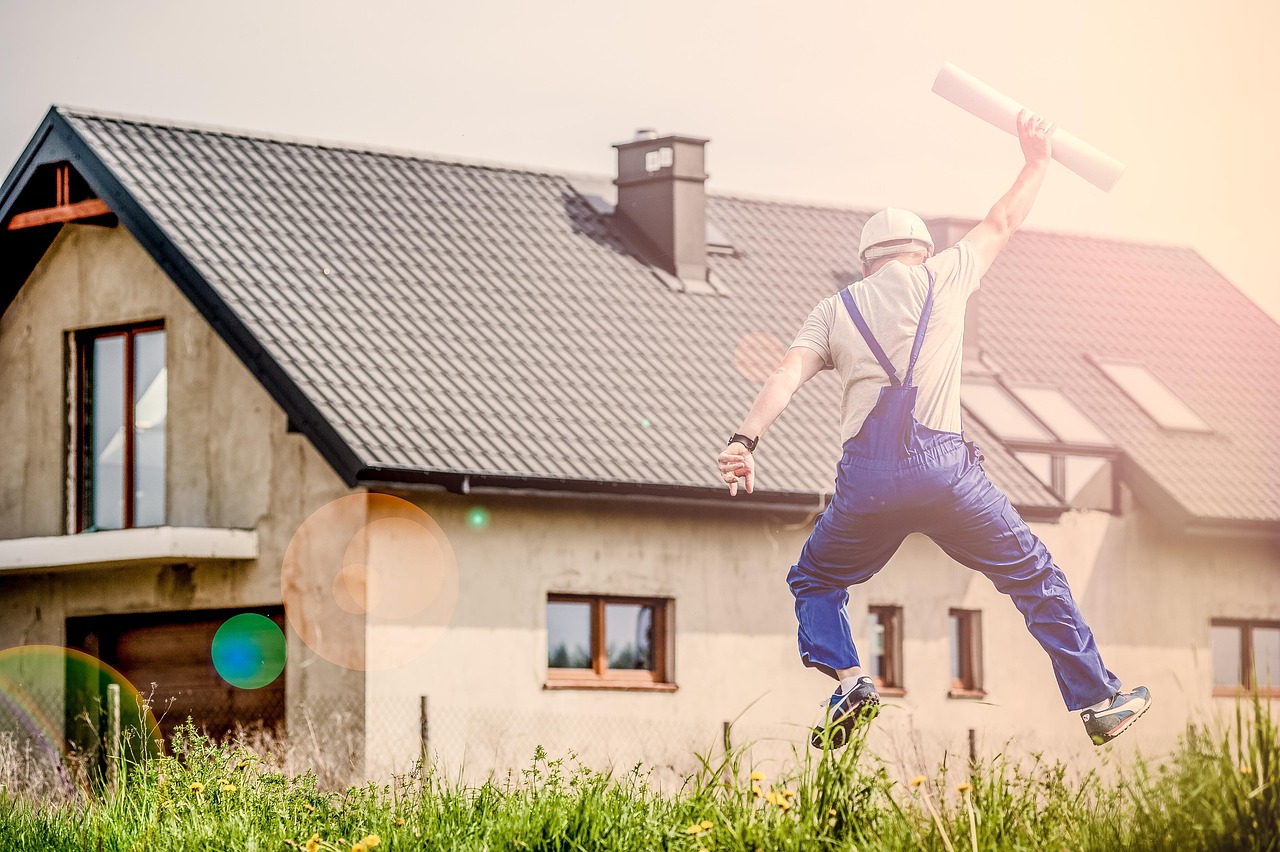
In our vibrant community, space is a precious commodity, but that doesn't mean living in a cramped home has to be the norm. Modular construction offers a creative solution for maximizing space through the design and build of accessory dwelling units (ADUs). These self-contained, additional living spaces can transform your property into a more efficient, livable, and potentially rentable part of your home.
Local architects and builders are leveraging the benefits of modular construction to create innovative ADU layouts that cater to the diverse needs of our community. Unlike traditional construction, modular building involves constructing units off-site in a factory-controlled environment, ensuring higher quality and faster assembly. Once delivered, these units are seamlessly attached to the main structure, expanding your living space without the usual disruption and delays. This method is particularly advantageous for urban areas like build, where space optimization is paramount. Nearby adu specialists have successfully designed compact yet functional units with open floor plans and ample natural light, maximizing every square foot.
When planning an ADU, it's essential to consider both the initial investment and long-term financial benefits. While the upfront costs, including permitting fees and material expenses, may seem steep, the return on investment can be significant. ADUs can provide rental income by converting your property into a multi-family home, alleviating housing costs for local residents. Many nearby ADU specialists offer affordable packages and work with customers on space planning to meet their specific needs. Customer reviews and ratings are a sign of their expertise, with many satisfied homeowners sharing their positive experiences. Local awards and accolades highlight the quality of these builds, ensuring your investment is in capable hands.
Cost-Effective Solutions: Modular Construction's Financial Benefits
In the vibrant community of build, the demand for affordable housing solutions has been a driving force behind the growing popularity of accessory dwelling units (ADUs). Modular construction has emerged as a cost-effective and efficient approach to ADU design build, offering a range of financial benefits to both homeowners and the local market. This innovative building method allows for the rapid assembly of high-quality structures, providing a timely and budget-friendly option for those seeking to expand their living spaces.
The initial investment in modular ADU construction can be significantly lower compared to traditional on-site building. This is attributed to the optimized manufacturing processes and reduced labor costs associated with modular construction. The ability to source sustainable materials locally can further cut expenses and minimize the environmental impact. Many reputable contractors in build specialize in certified ADU construction, ensuring that these additional savings do not compromise quality or safety.
As the local market continues to evolve, the financial advantages of modular ADUs become increasingly apparent. Homeowners can expect higher rental income potential due to the growing demand for accessible and affordable housing. Efficient tenant screening and well-crafted lease agreements can ensure a steady stream of income for property owners. With the right property management strategies, these ADUs can become a valuable asset for the community, providing both housing and a stable local economy. The accessibility and affordability offered by modular ADU design build are transforming the housing landscape in build, offering a bright future for both residents and local businesses.
Local Craftsmanship: Supporting Area Businesses in ADU Build
In the bustling community of build, accessory dwelling units (ADUs) are not just a housing trend, but a valuable investment and a sign of local craftsmanship. The design and build of these secondary residences offer a unique blend of modern convenience and traditional community spirit, making them a hot topic among residents. For bringing these projects to life, local businesses are at the forefront, providing expert services that cater to the specific needs of build's diverse population.
The local ADU market is thriving, with a growing demand for tailored design and efficient construction. Modular construction, in particular, has gained traction due to its speed, cost-effectiveness, and sustainability. Local contractors are embracing this method, offering innovative solutions that fit the modest yet functional design preferences of many build residents. Nearby adu specialists have successfully completed projects that maximize natural light and open floor plans, two key considerations for modern homeowners. The initial investment in an ADU can be a significant financial boost for property owners, and the local market's competitive rates make it an attractive option.
For installation, build residents can rely on top-rated local contractors for expert craftsmanship. Adu reviews and ratings from satisfied customers highlight the importance of choosing reputable professionals. The local community has embraced this trend, with numerous awards recognizing the best in ADU design and construction. As one nearby ADU specialist puts it, "Our focus is on creating spaces that not only meet the functional needs of our clients but also enhance the local character and appeal of our neighborhood." This commitment to quality and community integration is what sets apart the top-tier adu specialists in build.
Property management and tenant screening are essential aspects of ADU ownership, and local businesses are well-equipped to navigate these regulatory considerations. With a steady rental income potential, build's ADU market contributes to the area's economic vibrancy. Local property management companies offer tailored services, ensuring smooth operations and positive tenant experiences. As the demand for ADUs continues to grow, building relationships with trusted local businesses is key to a successful and harmonious community development.
Regulatory Compliance: Navigating Permits for Efficient ADU Projects
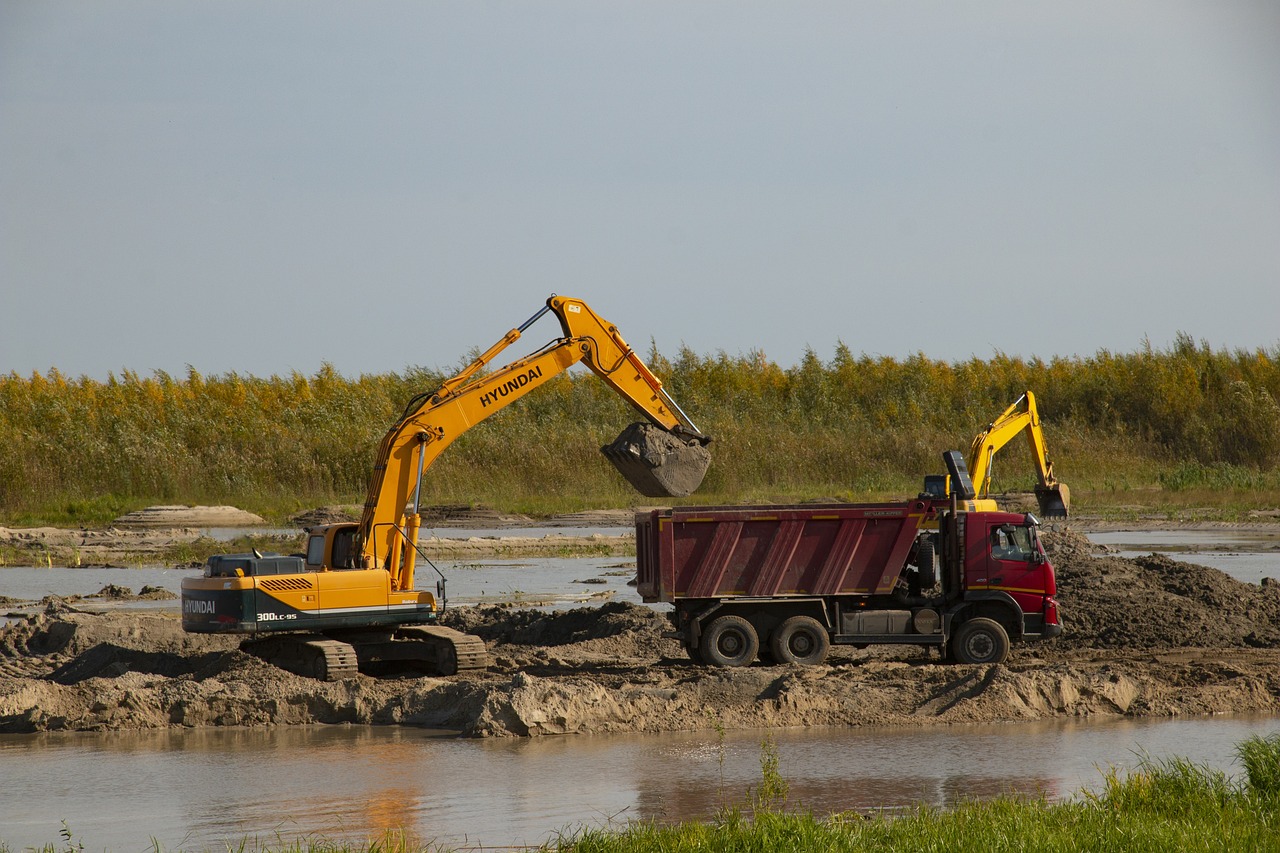
Navigating the regulatory landscape is a crucial aspect of successful accessory dwelling unit (ADU) design and build in our community. For ADU projects, understanding the permitting process is as essential as selecting the right architect or contractor. The build process in build can vary, but with the right guidance, it can be a streamlined experience.
One of the key benefits of modular construction for ADUs is its alignment with local regulations. Modular buildings are designed and constructed off-site, then transported and assembled on-site, making them a flexible solution for navigating permit requirements. Licensed ADU builders near me are well-versed in these regulations, ensuring that every project complies with building codes, zoning laws, and energy efficiency standards. Many local projects have successfully utilized modular construction to create additional living spaces, offering a practical solution for families seeking more affordable housing options.
The initial investment in an ADU project can be offset by long-term energy savings. Trusted ADU renovation experts emphasize the importance of choosing sustainable materials and energy-efficient designs. Incorporating natural light and open floor plans not only enhances the livability of the space but also reduces energy consumption. By understanding local incentives and rebates for energy-efficient construction, homeowners can make informed decisions to reduce their carbon footprint and potentially save on utility bills. This approach aligns with the community's broader goals for sustainability and contributes to a greener build.
As the demand for ADUs continues to grow, local contractors and builders are investing in their expertise and staying updated with the latest industry trends. The competitive local market encourages professionals to offer high-quality services at reasonable rates. Homeowners can benefit from this competition by seeking customer reviews and local awards as indicators of reputable ADU builders. By choosing a licensed and experienced contractor, residents can ensure their project adheres to safety standards and enhances their property's value. This local business focus not only contributes to the community's growth but also ensures a well-designed and legally compliant ADU.
Community Engagement: Involving Neighbors in Local ADU Developments

In the vibrant build community, the integration of accessory dwelling units (ADUs) has emerged as a sustainable and affordable housing solution, fostering community engagement and diverse, lively neighborhoods. Modular construction, with its streamlined design and efficient manufacturing, offers a compelling approach to ADU development. By involving neighbors in the process, build can achieve the full potential of ADUs to strengthen community bonds and create vibrant, inclusive spaces.
The benefits of modular ADU design build extend beyond efficient construction. It empowers local residents to actively participate in shaping their community's future. This collaborative approach starts with open floor plans and natural light, key elements that foster a sense of community and welcome. By engaging with neighbors early, builders can tailor designs to meet local needs, ensuring that each ADU complements and enhances the existing neighborhood character. Some local projects have incorporated community input to create shared spaces, like communal gardens or seating areas, fostering a sense of collective ownership.
Professional ADU design services play a crucial role in this process, offering expertise in space planning and sustainable materials. These services not only ensure that each ADU meets local building codes and regulations but also contribute to the overall aesthetic appeal and functionality. Once designed, local, reputable contractors take over, providing affordable ADU construction and planned repair services. Their involvement ensures not only high-quality workmanship but also continuity in maintaining these valuable additions to the neighborhood. Community reviews and local awards serve as testimonials to successful collaborations between residents, designers, and builders, highlighting the positive impact of ADU development on build's social fabric.
As the local market for ADUs continues to grow, tenant screening and lease agreements become essential aspects of responsible property management. Building owners can maximize rental income while maintaining a positive tenant experience by adopting professional management strategies. By prioritizing community engagement and inclusive practices, build can create a thriving, diverse neighborhood where ADUs are not just structures but catalysts for social interaction and shared prosperity.
Future-Proof Design: Adaptable ADUs for Long-Term Community Growth
As our community grows, so does the need for adaptable and affordable living spaces. Modular construction offers a future-proof solution with accessory dwelling units (ADUs) that can cater to our evolving needs. This efficient building method, with its rapid installation and minimal disruption, is transforming the way we think about urban development.
The design and construction of ADUs in build are increasingly focused on sustainability and functionality. Local contractors are utilizing eco-friendly materials, like wood, to create open-plan spaces that maximize natural light, providing a healthy and inviting atmosphere. This is particularly beneficial for low-cost ADU remodeling projects, where the focus is on creating livable spaces without breaking the bank. The recent transformation of an old warehouse into lofts in the heart of build has been a hit among young professionals seeking affordable urban living.
When compared to traditional construction, wood ADUs offer a more cost-effective option, with lower material and labor costs. Steel construction, while durable, can be more expensive and time-consuming. This local market dynamic makes modular wood ADUs a popular choice for both homeowners looking to add value to their properties and developers aiming to create rentable spaces. However, it's not just about cost; these units can be designed to meet specific community needs, from shared community spaces to customizable layouts, ensuring that our neighborhoods remain vibrant and diverse.
The benefits extend beyond individual properties. Well-planned ADUs can contribute to the long-term growth and sustainability of our community. They provide opportunities for rental income and encourage responsible tenant screening, fostering a strong local economy. Many build residents have praised the sense of community that ADUs bring, with shared outdoor spaces and social events becoming the norm. With the right approach, these additions can be a catalyst for positive change, ensuring our community remains a desirable place to live, work, and play for years to come.
Revolutionizing Affordable Housing: Modular ADUs Transform a Struggling Neighborhood
Local Challenge
In a once-vibrant but declining neighborhood in the build, residents faced a critical housing shortage. The area's dwindling population and lack of affordable options left many young families and individuals struggling to find suitable, cost-effective accommodation. The existing housing stock was aging and in need of significant renovation, while traditional construction methods were both time-consuming and expensive. This combination made it nearly impossible for the community to attract new residents or support local businesses, leading to a cycle of decline.
Local Solution
To address these challenges, the local community, in collaboration with a forward-thinking contractor specializing in modular construction, implemented a groundbreaking initiative. They decided to construct affordable, modern Accessory Dwelling Units (ADUs) using modular construction techniques. This approach allowed for faster build times, reduced construction costs, and minimal disruption to nearby properties. The project aimed to create 20 new ADUs, providing much-needed housing for essential workers and young professionals.
Community Impact
The modular ADU project was a resounding success, transforming the neighborhood's fortunes. Within six months, all 20 units were occupied, attracting a diverse range of new residents.
The efficiency of modular construction meant that the project stayed within its budget, demonstrating the cost-effectiveness of this approach. The success of this initiative led to further plans for similar projects, promising to revitalize the area and create a sustainable, thriving community.
Quick Reference
-
Engage Local Contractors: Partner with experienced local builders and tradespeople for efficient ADU modular construction, ensuring quality and community-based employment.
-
Prioritize Sustainability: Choose eco-friendly modular materials and locally sourced supplies to reduce the carbon footprint of your project and support sustainable practices within the community.
-
Collaborate with Community Groups: Partner with local neighborhood associations or community development groups to gain support, access resources, and create a sense of shared ownership for ADU projects.
-
Offer Affordable Housing Options: Work with local housing authorities or non-profits to provide accessible and affordable ADU units for low-income residents, contributing to a more inclusive community.
-
Utilize Zoning Incentives: Research and leverage local zoning laws and incentives that promote ADU development, potentially expediting the approval process and reducing costs.
-
Host Community Workshops: Organize educational events on ADU benefits, design, and construction to empower residents and foster a culture of informed, engaged homeownership.
-
Promote Local Businesses: Feature local suppliers and contractors in your marketing materials, helping to strengthen the local economy and build a network of supportive businesses.
-
Focus on Accessibility: Design ADUs with accessibility in mind to cater to diverse needs, ensuring inclusivity for all members of the community.
Local Business FAQ About The Benefits of Modular Construction for ADUs
What are the advantages for local homeowners?
Modular construction offers local homeowners faster build times, often reducing project durations by half compared to traditional methods. This means less disruption to your daily life, with construction crews leaving your property after shorter, more focused visits. It also translates to quicker move-in dates, providing relief for families and individuals looking to downsize or expand their living space.
How does modular construction benefit local contractors?
For local contractors, modular construction streamlines the building process, allowing them to take on more projects with reduced labor costs. It eliminates the need for on-site storage and reduces material waste since components are built off-site in a controlled factory environment. This efficiency means contractors can spend more time on site management and client interactions, potentially increasing profitability.
What are the environmental benefits of this construction method?
Modular construction significantly reduces a building's carbon footprint. By minimizing on-site waste and the energy required for material processing, it aligns with sustainable building practices. Since these structures are often designed for energy efficiency, they contribute to a greener local community by lowering overall energy consumption.
Can modular ADUs be customized to fit my property's unique needs?
Absolutely. Modular ADUs, like traditional homes, can be designed and built to meet specific property requirements. Local contractors specializing in modular construction work closely with clients to incorporate unique architectural elements, specific room layouts, and even specialized features like lofts or custom storage.
Are there any local permits or regulations I should be aware of?
Yes, while modular ADUs offer numerous advantages, local permits and regulations must be adhered to. Contact your local building department to understand specific requirements, such as set-back rules and zoning regulations. A knowledgeable contractor familiar with these guidelines will ensure your project complies with all necessary permits.
How does modular construction impact local employment?
Modular construction creates local jobs in manufacturing, logistics, and skilled labor. While on-site construction work may not increase dramatically, the demand for skilled workers in the modular factory setting can provide new employment opportunities. The increased efficiency of modular construction often means more projects can be completed, potentially boosting the local economy.
As we've explored the multifaceted benefits of modular construction for accessory dwelling units (ADUs) in our build, one thing becomes clear: these efficient, adaptable structures are not just a solution for housing affordability-they're a catalyst for community growth. By streamlining construction, embracing sustainable design, and fostering local partnerships, we can create spaces that enhance our neighborhoods and strengthen community bonds.
From creative layout design to cost-effective solutions, modular ADUs offer a unique opportunity to blend functionality with community engagement. Local businesses, from contractors to suppliers, play a crucial role in this process, providing expertise and supporting the local economy. By navigating regulatory compliance together, we can ensure that these projects not only meet building codes but also enrich our shared spaces.
Engaging with neighbors and embracing community input throughout the buildout process is key. This collaboration ensures that the ADUs reflect the needs and character of our local area. By integrating sustainable materials and eco-friendly techniques, we're investing in a greener future for our build while reducing our environmental footprint.
Looking ahead, adaptable and future-proof design principles will be essential as we anticipate the evolving needs of our community. These strategies ensure that our ADUs stand the test of time, providing flexible living spaces that can adapt to changes in demographics and lifestyles. By prioritizing local insights, innovative design, and collaborative efforts, we can achieve the full potential of modular ADUs to create vibrant, inclusive, and resilient neighborhoods.
Accessory Dwelling Units (ADUs): Build's Sustainable, Community-Focused Housing Solution
In build, ADU design build naturally is a thriving, sustainable housing solution. Modular construction streamlines the process, offering cost-effective, eco-friendly ADUs. Local builders provide modern, well-designed spaces, promoting energy efficiency and community engagement. The growing demand for these units, especially from young professionals and retirees, drives a stable, local economy.
Key Takeaways:
- Sustainable & Cost-Effective: Local contractors use eco-friendly materials and modular techniques for faster, cheaper ADU construction.
- Community Engagement: ADUs foster social interaction, with shared spaces and events enhancing the neighborhood.
- Tenant Screening & Property Management: Professional management ensures responsible tenancy and stable rental income.
- Long-Term Growth: Well-planned ADUs contribute to the community's economic and environmental health.