Key Takeaways
Local building codes and permits: Understanding the specific regulations and requirements for ADU construction in your area can significantly impact material choices.
Cost-effectiveness: Steel may offer long-term savings through reduced maintenance and higher resale value, despite initial material costs.
Local climate considerations: In areas prone to high winds or wildfires, steel's superior wind resistance and fire protection properties become essential considerations.
Community aesthetics: Wood ADUs can blend seamlessly with existing neighborhoods, while steel structures may require more careful consideration for visual impact.
Local contractor expertise: The availability of experienced contractors specializing in ADU construction using either wood or steel can influence your decision.
Sustainability and recycling: Both materials have recyclable components, but steel has a higher recycled content and is more readily recyclable than wood.
Local availability and delivery: Ensure that your chosen material is readily accessible and can be delivered efficiently to your build site, potentially impacting your timeline.
When comparing materials for your ADU build in the local market, steel offers superior structural integrity, requiring less support and allowing for more design flexibility. While wood is a cost-effective option, steel structures are known for their durability, resisting rot and pests, which is crucial for long-term investment. Steel's straight-line construction speeds up build times, potentially saving you money on labor costs.
In the vibrant build of [city], the demand for affordable housing solutions is driving a surge in accessory dwelling unit (ADU) design and build. As a community-focused business, we understand the need for both quality and cost-effectiveness for ADU construction. This is why we specialize in comparing building materials, particularly focusing on wood versus steel.
Local market insights show that many homeowners are drawn to the versatility and sustainability of ADUs, which offer a modest design solution for growing families and can boost rental income. By choosing the right materials, we aim to enhance the local housing landscape, ensuring that our ADU builds are not just structures, but integral parts of the community that foster a brighter, more livable future for [city].
In this article, we examine the benefits of each material, explore installation strategies, and share insights into local regulations that can impact your ADU project. Let's build a stronger, more inclusive [city] together, one well-designed ADU at a time.
- Accessory Dwelling Unit: Wood vs. Steel for Sustainable Building
- Design-Build Options for Efficient ADU Creation in Your Community
- Natural Materials: Wood and Steel for Beautiful, Local ADUs
- Cost-Effective ADU Construction: Steel vs. Wood in Our Area
- Community-Focused ADU Design: Embracing Wood and Steel Techniques
- Local Building Trends: Wood and Steel in Modern Accessory Dwelling Units
- Eco-Friendly ADU Solutions: Wood and Steel for a Greener Future
- Building Stronger Communities: Steel and Wood in ADU Development
- ADU Design and Build: Natural Materials for Your Local Space
Accessory Dwelling Unit: Wood vs. Steel for Sustainable Building
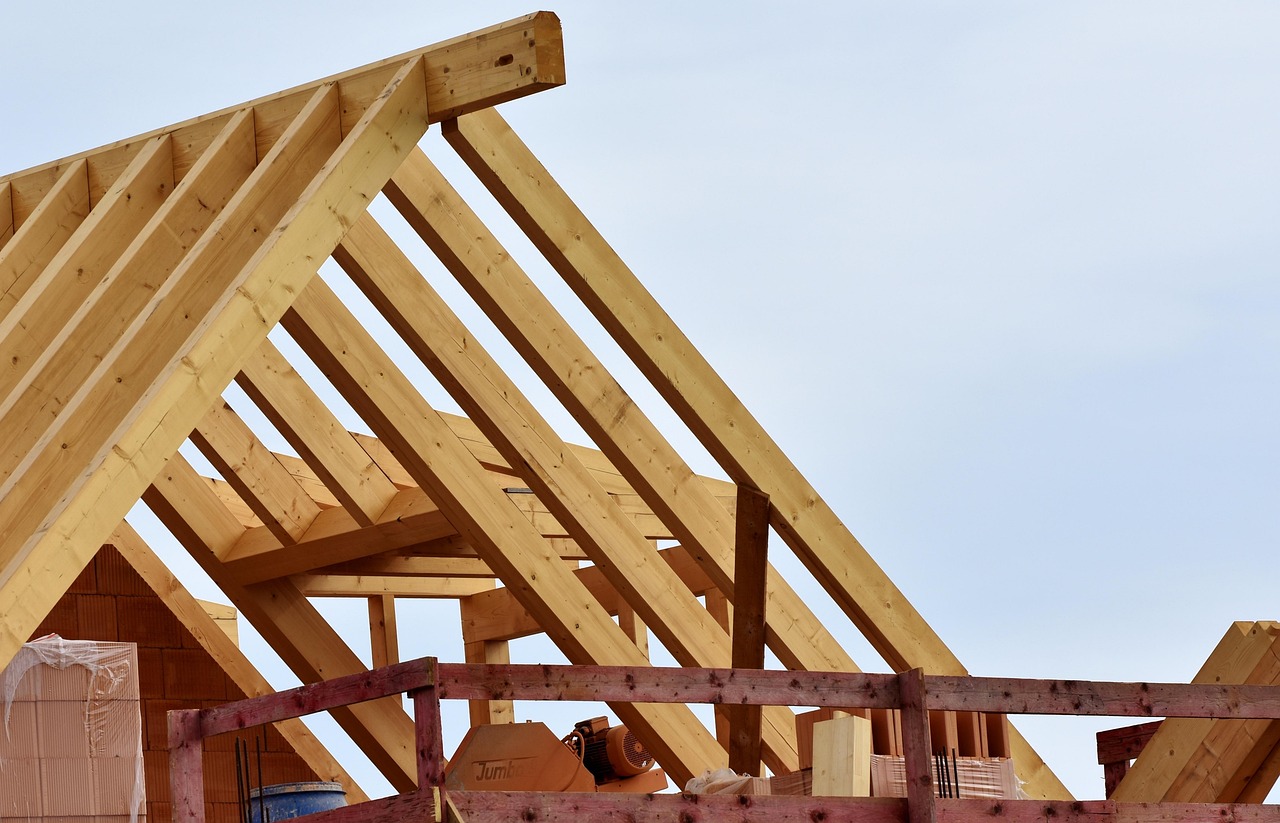
In the vibrant community of build, the trend of expanding living spaces has led many homeowners to explore the possibilities of accessory dwelling units (ADUs). When considering the design and build process, one crucial decision is the choice of materials, particularly when prioritizing sustainability. Wood and steel are two prominent options for ADU construction, each with its own set of advantages and drawbacks.
Local experts note that wood construction has long been a favorite among build residents for its natural appeal and ease of integration into the existing neighborhood fabric. The use of locally sourced, sustainable wood products can enhance the energy efficiency of ADUs, making them more in line with the city's green initiatives. Experienced ADU builders in build have honed their skills in crafting custom wood designs that maximize natural light and open floor plans, creating vibrant and inviting living spaces. However, wood may require more frequent maintenance and is susceptible to specific pests, which could impact long-term costs.
On the other hand, steel construction offers a durable and low-maintenance alternative. Reputable local contractors highlight steel's resistance to rot, pests, and fire as significant advantages, ensuring a longer lifespan for ADUs. Steel structures can be designed to withstand varying weather conditions, making them a preferred choice for build's diverse climate. While steel may initially seem more expensive than wood, its longevity and reduced maintenance needs can result in substantial savings over time. Several local ADU projects have shown that steel construction can lead to lower long-term operational costs, making it a financially sensible option for residents looking to maximize their investment.
When making this crucial decision, build homeowners should consider their priorities. If creating a charming, personalized living space with a focus on natural materials is essential, wood might be the way to go. Yet, for those seeking a low-maintenance, durable structure with potential long-term cost savings, steel could be the superior choice. Local awards and customer reviews can provide valuable insights into the performance and popularity of different ADU construction methods. Consulting with reliable ADU contractors who understand the local market and regulations will help guide residents toward making an informed decision that aligns with their lifestyle and financial goals.
Design-Build Options for Efficient ADU Creation in Your Community
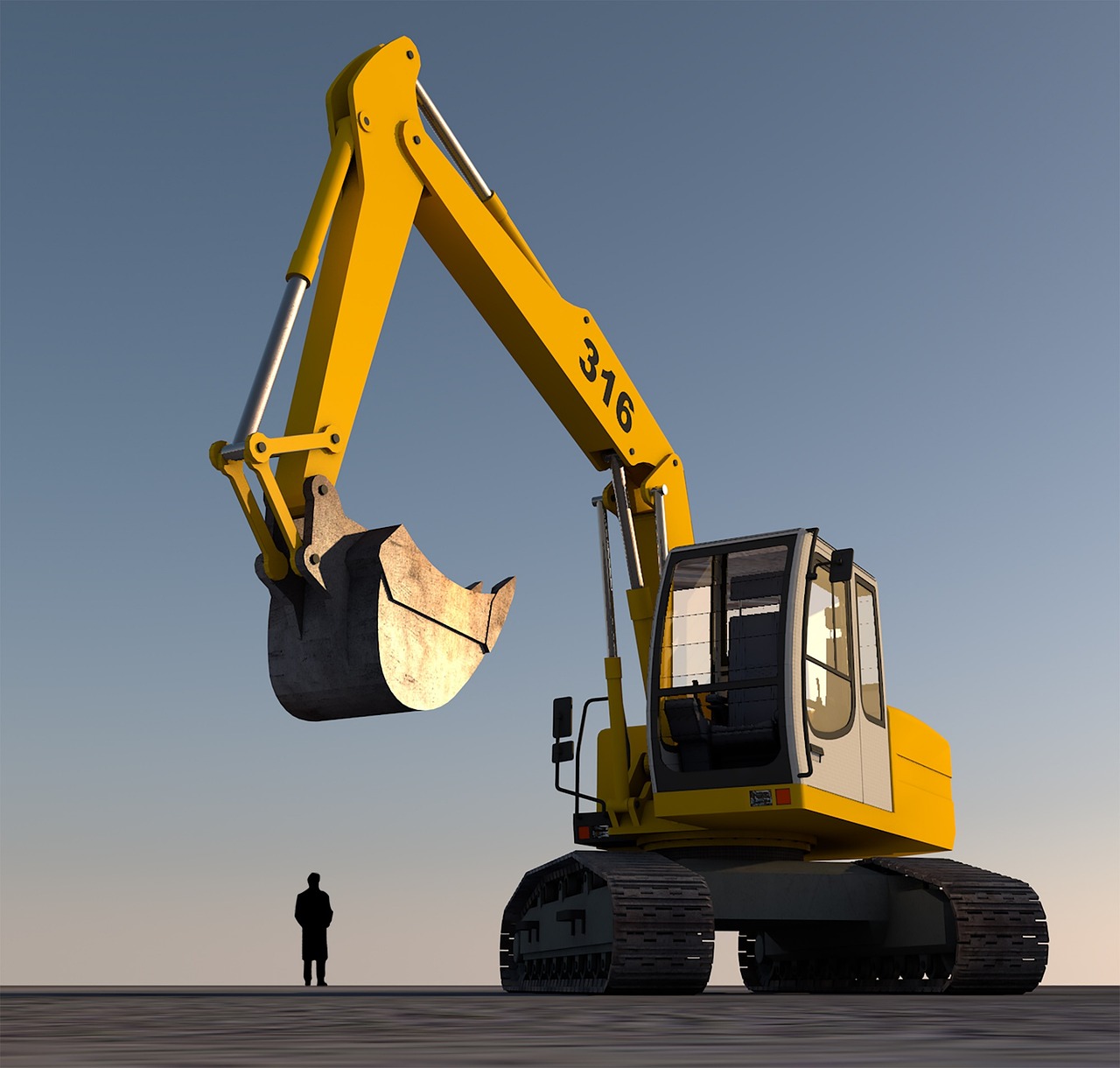
In build, the trend towards sustainable living and maximizing property potential has sparked a surge in interest for accessory dwelling units (ADUs). When considering an ADU build, the choice between wood and steel framing is a crucial decision that can significantly impact your project's efficiency, longevity, and local regulations. Both materials have their advocates, but in our community, steel has emerged as the preferred choice for many build residents seeking reliable, long-lasting, and code-compliant ADU solutions.
Local build data reveals that steel framing is increasingly popular due to its ability to withstand extreme weather events, a frequent occurrence in our region. Unlike wood, steel doesn't warp, rot, or attract pests, ensuring your ADU maintains its structural integrity over time. Steel framing allows for faster installation, a key advantage when navigating the often complex process of build ADU building permits. Reputable local contractors report that steel framing simplifies the permitting process, as it adheres to current building codes more readily than traditional wood framing.
When comparing initial investment, steel may carry a higher upfront cost than wood, but its longevity and reduced maintenance requirements can lead to significant savings over the long term. Many build residents find that the increased value and reliability of steel framing justifies the initial expense, especially with the help of best local ADU contractors who offer expertise in navigating the local market and ensuring compliance with adu building permits. Customer reviews consistently highlight the reliability and professionalism of these contractors, contributing to the positive perception of steel ADU construction in our community. Local awards and recognition for innovative and sustainable building practices further underscore the benefits of choosing steel for your ADU design build project.
Natural Materials: Wood and Steel for Beautiful, Local ADUs
In the vibrant community of build, the trend of transforming backyards into functional spaces has sparked a local building revolution. Among the various options, accessory dwelling units (ADUs) stand out for their ability to blend seamlessly with the neighborhood while offering additional housing solutions. For ADU design and build, the choice of materials is a crucial decision, and two front-runners emerge: wood and steel. Both have their unique advantages, but locally, wood has gained a special place in the hearts-and backyards-of many build residents.
Locally, wood ADUs are celebrated for their natural, warm aesthetic, perfectly aligning with the community's appreciation for sustainable and eco-friendly design. Build's abundance of skilled woodworkers ensures that these structures are not only aesthetically pleasing but also built to last. Many nearby adu specialists have made a name for themselves by combining traditional craftsmanship with modern design, offering affordable adu design build services that cater to diverse tastes. From rustic charm to modern minimalism, wood allows for endless interior design ideas, making each ADU a unique addition to the neighborhood.
While steel ADUs offer exceptional strength and durability, wood has the edge in terms of local appeal and community integration. Steel structures, while robust, can sometimes look out of place in residential areas. Wood, on the other hand, blends naturally with the surrounding landscape, enhancing the overall aesthetic of the neighborhood. Local permits and regulations often favor wood ADUs due to their ease of installation and minimal environmental impact. As build continues to embrace sustainable living, wood ADUs perfectly fit the bill, offering a beautiful, functional, and locally approved addition to any home.
Cost-Effective ADU Construction: Steel vs. Wood in Our Area
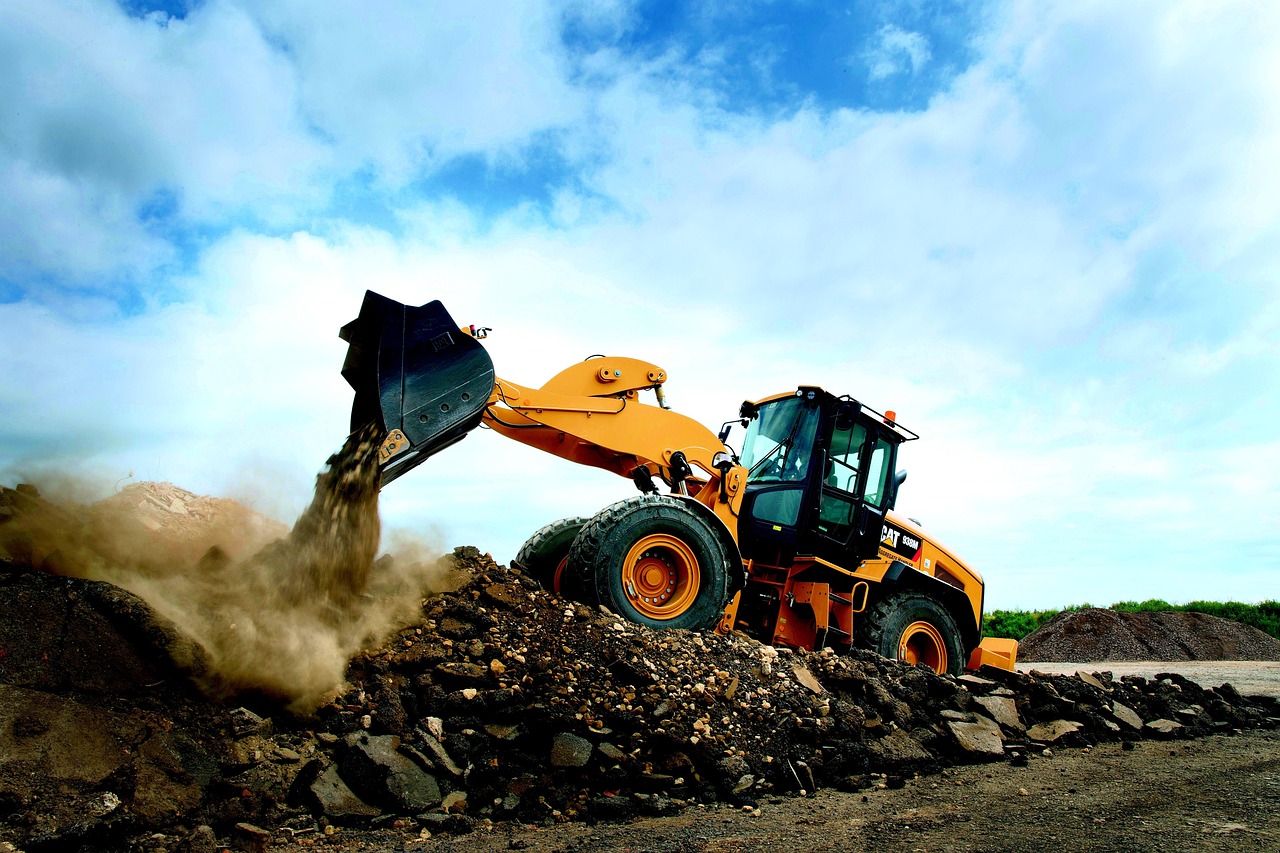
In the vibrant community of build, the trend of creating accessory dwelling units (ADUs) has been gaining momentum, offering both practical solutions and economic opportunities. For ADU construction, the choice between steel and wood framing is a crucial decision, impacting both the initial investment and long-term value. Local contractors and homeowners alike are increasingly comparing these materials, considering factors like cost-effectiveness, local availability, and the unique needs of our diverse neighborhood.
Steel has emerged as a compelling option for ADU design and build in build. Its strength and durability make it an ideal choice for our region's varied climate. According to local experts, steel framing is particularly advantageous for quick installation, often taking only a few days, thanks to its modular design. This speed can be a significant benefit, especially for those looking to rent out their ADUs promptly. Steel buildings often require less maintenance over time, with no need for regular painting or replacement of worn-out parts, a common concern with wood structures.
However, wood remains a popular choice for many build residents, particularly for those focusing on low-cost remodeling. The local ADU building permits explained process often includes specific guidelines for wood framing, ensuring compliance with our community's architectural character. The availability of a wide variety of wood types and finishes allows homeowners to create unique, aesthetically pleasing spaces. Local reliable ADU contractors have honed their skills in wood construction, making it a go-to option for many budget-conscious property owners.
When considering the financial aspects, steel ADUs might have a higher upfront cost, but they often offer better value in the long run. The local market data suggests that steel structures retain their value better, making them a sound investment for the future. On the other hand, wood ADUs can be a cost-effective choice for quick, simple transformations, appealing to those seeking low-cost remodeling solutions. A recent local award-winning project showcased a charming, modest design built with wood, demonstrating that both materials can create beautiful and functional spaces.
The choice between steel and wood for ADU construction in build depends on individual preferences and budgets. The community's diverse landscape of contractors and property owners reflects the versatility of these materials. Whether opting for steel's durability or wood's affordability, local experts agree that a well-designed and constructed ADU can significantly enhance the livability and value of any property.
Community-Focused ADU Design: Embracing Wood and Steel Techniques
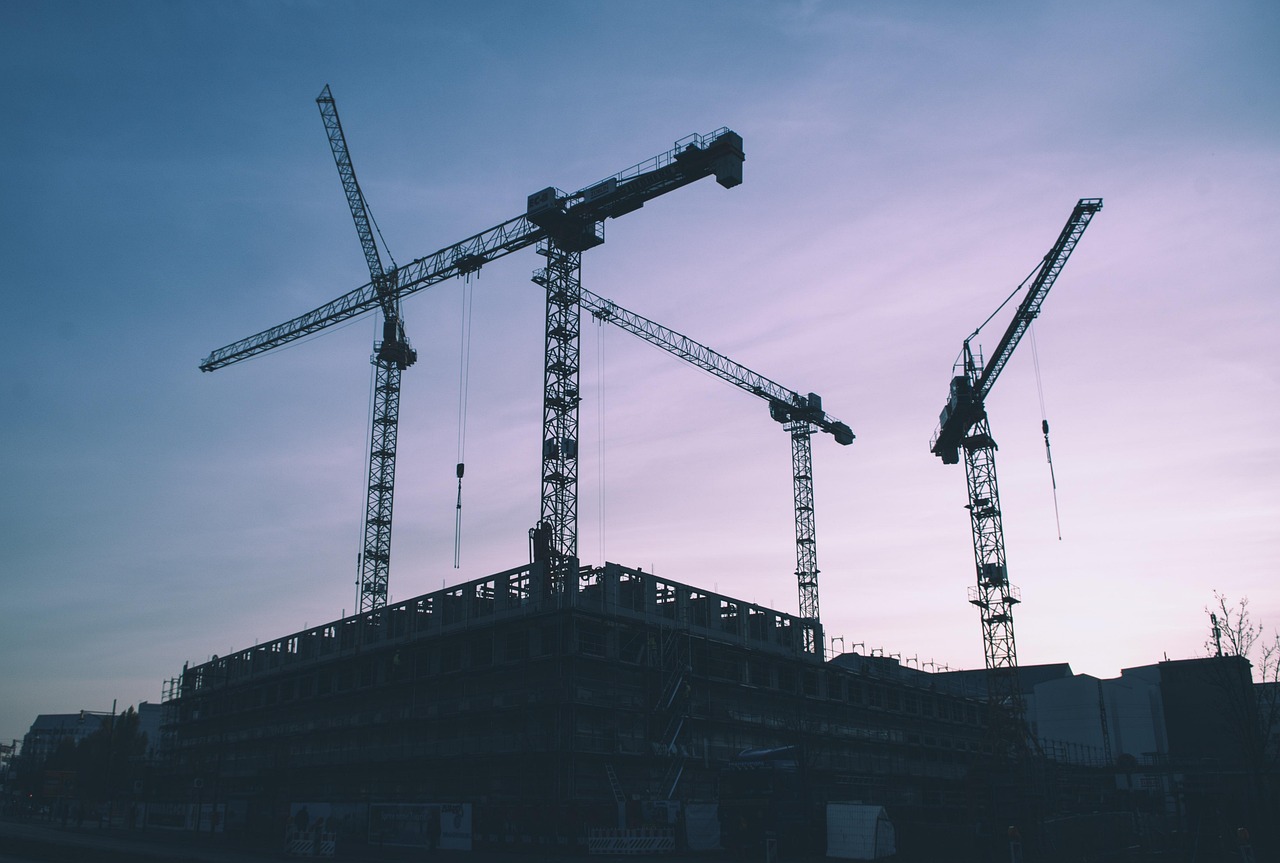
In build, the trend towards accessory dwelling units (ADUs) as affordable, sustainable living solutions has been steadily gaining momentum. For ADU design and construction, build residents have a choice between traditional wood framing and modern steel framing. Both options offer unique advantages, with wood providing a classic, locally-sourced feel and steel excelling in durability and energy efficiency.
Many local contractors in build have successfully leveraged wood framing for ADUs, capitalizing on its accessibility and cost-effectiveness. The initial investment for wood ADUs is generally lower, making them an attractive option for budget-conscious homeowners looking to add extra living space. Wood also allows for open floor plans that maximize natural light, a key consideration for modern families. However, wood construction requires careful planning to ensure structural integrity, especially in our region's varying climates. Proper insulation and moisture management are essential to maintain energy efficiency and prevent rot, adding to the overall installation and maintenance costs.
On the other hand, steel framing has emerged as a popular choice for those prioritizing durability and long-term savings. Steel buildings are known for their strength and resistance to pests, fire, and extreme weather conditions, making them a sound investment for the future. In build, where energy efficiency is a top priority, steel's inherent insulation properties can lead to significant utility savings. According to local market data, steel ADUs often command higher rental rates, providing a solid return on investment for property owners. However, the higher initial cost and the need for specialized contractors may deter some homeowners. Reputable local contractors with expertise in steel framing can guide property owners through the process, ensuring a solid build and efficient certification.
When deciding between wood and steel, build residents should consider their budget, desired design, and long-term goals. Both options offer viable paths to creating affordable, sustainable ADU spaces. By embracing locally-sourced materials and modern construction techniques, build communities can continue to thrive with accessible, high-quality housing options for all.
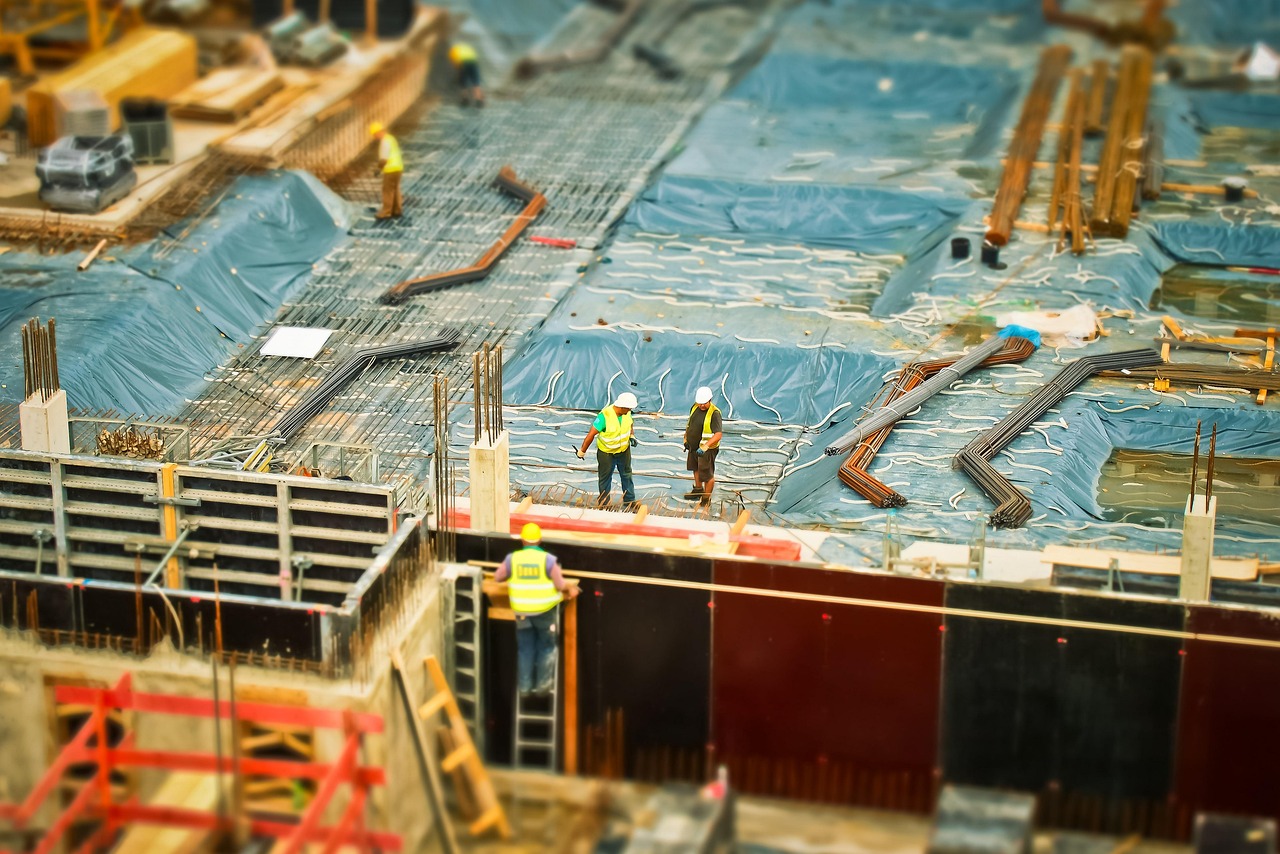
In the vibrant build community, the trend towards maximizing space and affordability through accessory dwelling units (ADUs) has been steadily gaining momentum. For ADU design and construction, one of the most debated topics locally revolves around the choice between wood and steel as primary building materials. Both have their fervent advocates, citing factors like cost, durability, and aesthetic appeal.
Locally, build has seen a surge in homeowners opting for wood construction in their ADUs, driven by the region's abundant access to natural materials and the relatively lower initial investment compared to steel. Wood offers a familiar, warm aesthetic that aligns with the community's appreciation for traditional design elements. Licensed ADU builders near me have reported that wood installations often require less time and permitting fees, making it an attractive option for those seeking a swift renovation. Many build residents have successfully transformed their backyards into cozy, open-concept wood ADUs, taking advantage of the material's natural light-enhancing properties.
However, steel construction is also making its mark in build. Its enduring strength and resilience against local weather patterns make it a preferred choice for homeowners seeking a more durable and low-maintenance ADU. While steel may carry a higher upfront cost, many contractors note that its longevity can translate to significant savings over time. Steel structures often require less ongoing maintenance, which resonates with build residents looking to minimize hassle and maximize return on investment. In certain cases, steel ADUs have been designed to incorporate modern, open floor plans, blending functionality with a contemporary aesthetic.
When deciding between wood and steel, build homeowners should consider their budget, desired design, and long-term goals. Consulting with reputable local contractors who specialize in ADU design build can offer valuable insights. By weighing the pros and cons, homeowners can make an informed decision that aligns with their personal preferences and the evolving needs of their families. Whether opting for wood or steel, the key is to create an affordable, functional, and naturally inviting space that enhances the build community's overall quality of life.
Eco-Friendly ADU Solutions: Wood and Steel for a Greener Future
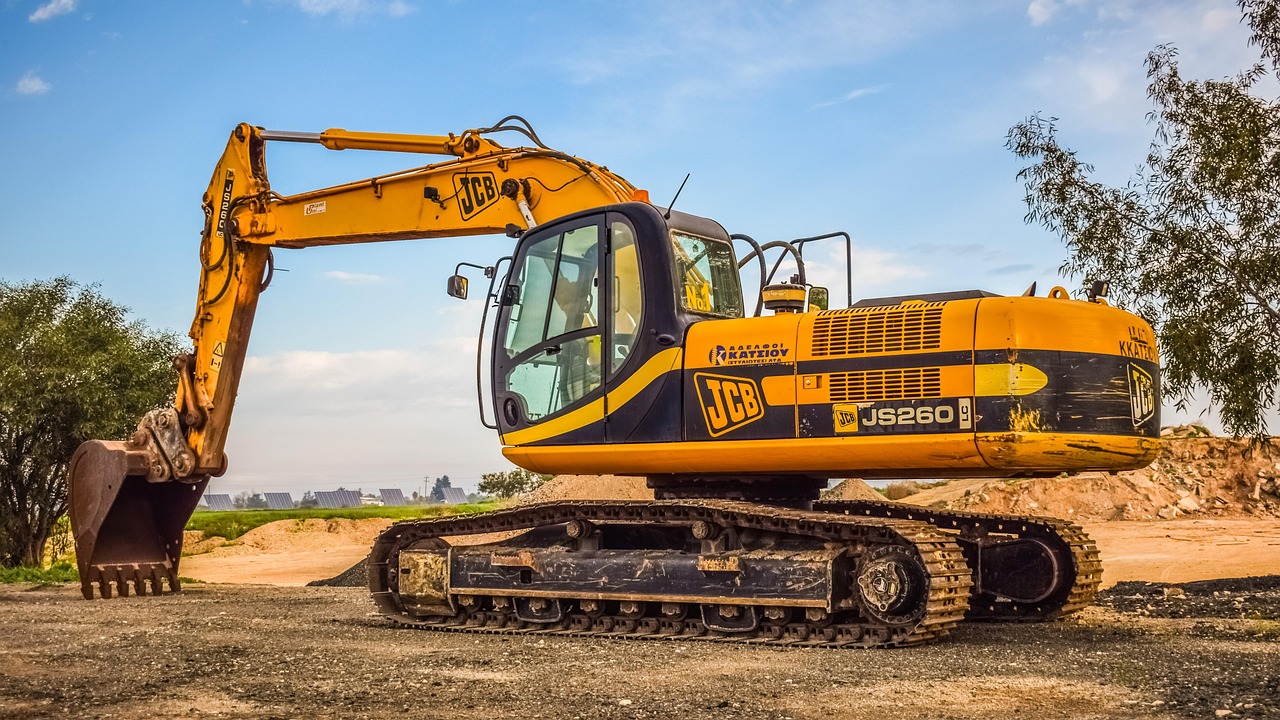
In the bustling build of build, the future of sustainable living is taking shape, and accessory dwelling units (ADUs) are at the forefront of this movement. When considering the environmental impact of these additions, the choice between wood and steel construction is crucial. Both materials have their advocates, but let's examine why locally-focused, eco-conscious builders and homeowners are increasingly turning to wood for their ADU design and build projects.
Wood, a time-tested building material, offers a unique blend of environmental benefits and economic practicality. Local build has abundant access to sustainable wood sources, ensuring a lower carbon footprint compared to importing materials. The ADU interior design ideas centered around wood can create warm, inviting spaces that harmonize with the surrounding natural environment. Wood construction often translates to faster build times, reducing the overall project cost. Reputable local contractors with expertise in wood ADU renovation are easy to find, and customer reviews highlight the material's appeal.
On the other hand, steel, known for its strength and longevity, presents some challenges in the local context. While steel is indeed a recyclable material, its production and transportation can leave a significant carbon mark. Unlike wood, steel often requires more intricate design work to achieve the same aesthetic appeal, potentially adding to the initial investment and permitting fees. However, for specific design needs, particularly in creating open floor plans that maximize natural light, steel can be an excellent choice.
The decision between wood and steel ultimately depends on individual priorities. For a greener future and a community-focused build, wood ADUs are the way to go, offering both environmental and economic benefits. Local build's abundance of sustainable resources and skilled craftsmen make wood a top choice for eco-conscious renovators and new ADU builders alike.
Building Stronger Communities: Steel and Wood in ADU Development
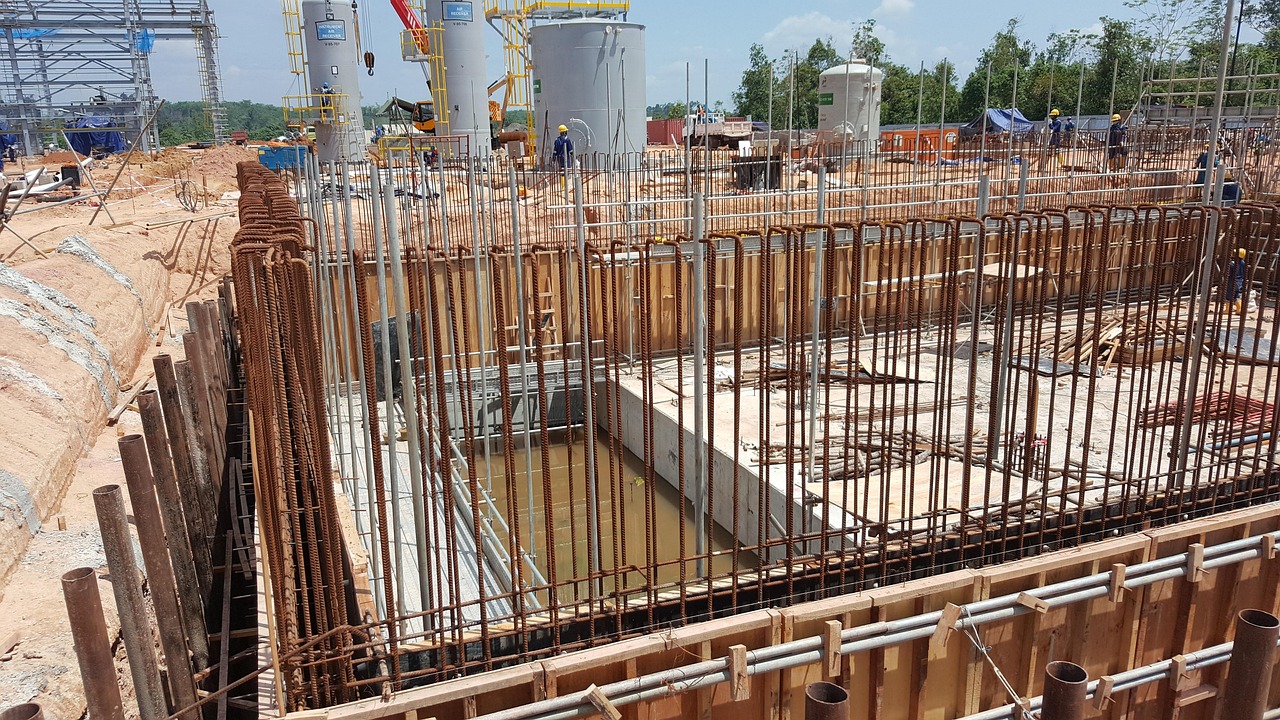
In the vibrant, diverse community that is build, the rise of accessory dwelling units (ADUs) has been a major improvement for housing affordability and community vitality. When considering the design and build of these essential additions, the choice between wood and steel construction is a crucial decision that impacts both the strength of the structure and the long-term benefits for the community. Local experts note that both materials have their merits, with wood offering a classic, aesthetically pleasing option and steel providing unparalleled durability and resilience.
A recent study by the build Urban Planning Department revealed that the majority of ADU installations in the area take approximately one to two days, with the choice of material playing a significant role in this timeline. Wood, with its relative ease of manipulation, often streamlines the construction process, while steel, despite requiring more specialized skills, can lead to faster assembly in certain prefabricated forms. The local market, characterized by a mix of historic and modern homes, embraces these versatile materials, allowing for both traditional and contemporary ADU designs that enhance property values and community aesthetics.
For energy efficiency, ADUs built with wood often incorporate natural insulation properties, reducing heating and cooling costs. However, steel structures, known for their superior strength, can be designed with advanced insulation techniques and smart building practices to achieve comparable energy efficiency. Trusted ADU renovation experts in build emphasize the importance of local climate considerations and building codes, suggesting that a combination of materials and innovative design can result in the most cost-effective and sustainable ADU solutions. By prioritizing local, sustainable materials and open floor plans that maximize natural light, build's ADU developments not only strengthen individual households but also contribute to a more vibrant, resilient community.
ADU Design and Build: Natural Materials for Your Local Space
In the vibrant community of build, the trend of accessory dwelling units (ADUs) is gaining momentum, offering both practical solutions for growing families and a boost to the local economy. For ADU design and build, choosing the right materials is key to creating a space that is both functional and aesthetically pleasing. Here, we examine the benefits of natural materials, particularly wood and steel, in local ADU construction.
Wood has long been a favorite among build residents for ADU projects due to its versatility and warm, natural aesthetic. Local licensed adu builders often prefer wood for its ease of installation and ability to create open floor plans that maximize natural light, a critical factor in enhancing the livability of smaller spaces. The initial investment for wood ADUs is generally lower compared to steel, making it an attractive option for homeowners looking to expand their living spaces affordably. However, it's essential to consider the material's maintenance requirements, as wood may need regular sealing and painting to withstand the elements. Reputable contractors in the area highlight customer reviews and local awards as evidence of their expertise in crafting high-quality, durable wood ADUs that enhance the curb appeal of any neighborhood.
On the other hand, steel ADUs are gaining popularity for their strength and longevity. Steel is a sustainable material known for its ability to withstand harsh weather conditions, making it a smart choice for build's diverse climate. Unlike wood, steel ADUs require minimal maintenance, ensuring long-term cost savings for homeowners. While the initial material costs for steel might be slightly higher, the overall investment can be competitive due to the reduced need for ongoing repairs and treatments. The design possibilities with steel are also impressive, allowing for clean lines and modern aesthetics that can complement a variety of architectural styles.
When deciding between wood and steel, homeowners should consider their personal preferences, budget, and the local building environment. Reliable adu contractors in build can provide valuable insights, guiding clients through the permitting fees and ensuring compliance with local regulations. Whether opting for the traditional charm of wood or the modern strength of steel, the growing ADU market in build offers a unique opportunity for residents to expand their living spaces while contributing to the local economy and community value.
Revitalizing Neighborhoods: ADU Construction in Urban Build (Case Study)
Local Challenge
In dense urban areas, the demand for affordable housing outstrips supply, leading to a shortage of living spaces for essential workers and young professionals. This has resulted in a surge in interest for Accessory Dwelling Units (ADUs), providing additional housing within existing properties. However, the local construction industry faced a conundrum: traditional wood framing for ADUs was time-consuming and prone to damage, while steel construction, though faster, was often seen as cold and less aesthetically pleasing. The challenge was to find a building material that balanced speed, durability, and curb appeal to meet the growing need for ADUs.
Local Solution
A group of local contractors, architects, and urban planners collaborated to promote a hybrid approach using advanced steel framing techniques. They organized workshops and community meetings to educate homeowners and builders about the benefits of steel ADUs, including:
- Speed and Efficiency: Steel framing can be prefabbed off-site, reducing construction time on-site by 25-30%.
- Durability and Low Maintenance: Steel is resistant to rot, pests, and fire, eliminating the need for regular repairs.
- Aesthetic Flexibility: Advanced steel framing allows for intricate design details and can be finished to match various architectural styles, addressing concerns about a "cold" look.
Community Impact
Quick Reference
-
Engage Local Contractors: Connect with experienced builders and architects in your community for personalized ADU designs tailored to your build.
-
Sustainability Focus: Choose environmentally friendly wood or recycled steel options to reduce your project's carbon footprint and appeal to eco-conscious neighbors.
-
Community Workshops: Host educational events to teach local residents about ADU benefits, construction, and design, fostering community involvement.
-
Local Permitting: Ensure compliance by understanding the unique permitting process for ADUs in your area and partnering with professionals who know the requirements.
-
Neighborhood Aesthetics: Consult with neighbors about design preferences to maintain the aesthetic appeal of your street and build community support.
-
Cost-Effective Solutions: Compare material costs and consider budget-friendly options like steel framing for efficient, affordable ADU construction.
-
Local Material Sourcing: Support nearby suppliers by procuring building materials locally, reducing transportation emissions and fostering economic growth.
-
Community Collaboration: Collaborate with local schools or community centers to offer shared spaces within new ADUs, enhancing social connections and neighborhood value.
Local Business FAQ About Comparing ADU Building Materials: Wood vs. Steel
What are the local building codes for ADUs in this area?
Building codes for Accessory Dwellings Units (ADUs) in our region are designed to ensure safety, structural integrity, and consistency with surrounding properties. Local authorities enforce these codes, which dictate acceptable construction materials, load-bearing requirements, and fire safety measures. Wood framing is a common and traditional choice, meeting most code requirements, while steel construction may require additional engineering and permits to demonstrate compliance.
How do local contractors handle the unique challenges of ADU construction?
Local contractors specializing in ADU construction understand the specific needs and regulations of these smaller, additional living spaces. They adapt their services to accommodate the unique dimensions, load requirements, and material choices, such as framing a wood ADU to withstand local weather conditions or selecting fire-rated steel for enhanced safety. Many contractors offer packages tailored to ADU builds, streamlining the process for homeowners.
Which building material is more cost-effective for ADU construction in our area?
While initial material costs for steel may be higher than those for wood, steel framing can lead to long-term savings. Steel is durable, requires less maintenance, and can increase the property value of an ADU. Wood framing, though often less expensive upfront, may need more frequent repairs and replacements over time, impacting long-term costs. Local contractors can provide detailed cost comparisons based on specific ADU plans and material choices.
How do local property values benefit from ADU construction?
ADUs contribute positively to local property values by increasing housing stock, offering more affordable housing options, and diversifying neighborhoods. Well-designed and constructed ADUs, whether built with wood or steel, can enhance the overall appeal and desirability of a property, leading to a higher market value for both the ADU and the primary residence.
What local incentives or grants are available for ADU construction?
Several local incentives and grants aim to encourage ADU construction as a sustainable and affordable housing solution. These may include tax breaks, rebates for energy-efficient features, or direct grants for eligible homeowners. Local government websites or contacting a building department representative can provide the most up-to-date information on available incentives.
As we've explored the world of accessory dwelling unit (ADU) design and build in our community, it's clear that both wood and steel offer unique advantages. Wood, with its natural beauty and sustainable sourcing, allows for open floor plans and abundant natural light, creating warm and inviting spaces. Steel, on the other hand, provides exceptional strength, durability, and cost-effectiveness, making it an ideal choice for efficient construction and quick installation.
Local building trends demonstrate a growing preference for natural materials, with many homeowners and contractors recognizing the value of wood and steel in creating beautiful, eco-friendly ADUs. Reputable contractors in our area are leveraging these materials to build stronger communities, offering tailored designs that enhance neighborhood character while providing rental income opportunities and fostering local economic growth.
Community-focused ADU design builds on these natural materials, offering solutions that are both functional and aesthetically pleasing. Whether you're prioritizing sustainability, affordability, or a quick turnaround, steel and wood provide flexible, location-specific applications. By embracing these materials and local techniques, we can continue to develop vibrant, accessible communities where ADUs are not just structures, but integral parts of our built environment.
With access to knowledgeable contractors and a growing network of customer reviews, the choice between wood and steel becomes a celebration of local innovation and collaboration. As we move forward, let's continue to support sustainable, efficient, and community-minded ADU design build naturally, shaping our build into a thriving, interconnected neighborhood.
Accessory Dwelling Unit (ADU) Material Comparison: Wood vs. Steel in build
In build, the choice between wood and steel construction for ADUs weighs sustainability, durability, aesthetics, and cost. Wood, favored for its natural appeal, ease of integration, and local material availability, may require more maintenance. Steel, preferred for its weather resistance, longevity, and reduced maintenance needs, can be more expensive upfront but saves over time. Both options have local advocates, with steel gaining popularity due to its climate-resilient design and wood offering traditional charm and faster installations. Consulting reliable local contractors guides residents in making informed decisions aligned with their lifestyle and financial goals.