Key Takeaways
- Local governments can promote sustainable growth by incentivizing ADU development, reducing urban sprawl and preserving green spaces.
- Community engagement in ADU planning can lead to more diverse housing options and stronger neighborhood cohesion.
- Local contractors and developers can capitalize on the growing demand for ADUs by offering specialized services and products.
- Proper waste management and recycling programs can minimize the environmental impact of ADU construction and operation.
- Local utility providers can encourage ADU energy efficiency through targeted programs and incentives for renewable energy adoption.
- Engaging with local architects and designers can result in innovative, contextually-appropriate ADU designs that enhance community aesthetics.
- Successful ADU implementation requires collaboration between various stakeholders, from zoning officials to local businesses and community groups.
Accessory Dwelling Units (ADUs) offer a sustainable solution for housing and community growth. By maximizing space and resources, ADUs can reduce urban sprawl and lower carbon emissions associated with new construction. They provide affordable housing options, enhance neighborhood diversity, and support local economies through job creation and home renovation activities.
In the bustling heart of build, a growing trend towards sustainable living is reshaping our community. Accessory dwelling units (ADUs), known for their modest design and eco-friendly features, are not just a design choice but a response to our city's evolving needs. These compact, well-planned spaces offer a range of benefits: from increased housing affordability to reduced environmental impact through the use of sustainable materials and natural light.
Our local focus on community-friendly development has fostered a thriving market for ADU design and build. Reputable contractors, known for their expertise and customer reviews, are leading the way in creating these functional, aesthetically pleasing additions. By embracing ADUs, build is not just a city; it's a vibrant, forward-thinking neighborhood committed to a greener future.
In this article, we'll examine the planning, financial, and installation strategies that make ADUs a viable and valuable addition to our community, all while exploring local awards and the positive impact on rental income and tenant satisfaction.
- Sustainable Living: ADU Design & Build for Eco-Conscious Communities
- Community Growth: How ADUs Boost Local Economies Naturally
- Green Spaces, Green Homes: Integrating Nature in ADU Development
- Efficient Housing: ADU Construction for Compact, Community-Centric Living
- Local Focus: Building ADUs That Reflect Community Character and Needs
- Energy-Smart Homes: Making ADUs Net-Zero Ready Together
- Accessory Dwelling for All: Inclusive Design and Community Engagement
- Reducing Urban Footprint: ADUs as Local Solutions for Housing Demand
- Community-Driven Development: Collaborating on Eco-Friendly ADU Projects
Sustainable Living: ADU Design & Build for Eco-Conscious Communities
In the bustling, eco-conscious community of build, sustainable living is more than a buzzword; it's a way of life, and accessory dwelling units (ADUs) are at the forefront of this movement. With a focus on compact, efficient design and the use of natural materials, local builders and architects are transforming backyards into thriving, affordable ADU spaces. These additional living areas not only provide extra room for growing families but also contribute to a community's overall environmental sustainability.
The planning and design of these ADUs prioritize open floor plans and an abundance of natural light, reducing the need for artificial lighting and enhancing energy efficiency. They work closely with customers to incorporate eco-friendly features, such as solar panels, rainwater harvesting systems, and energy-efficient appliances, tailored to each family's needs and budget. The Johnson family's recent addition, a 350-square-foot ADU, boasts a smart thermostat, low-flow fixtures, and a garden with native plants, all of which reduce their carbon footprint.
Beyond construction, the local ADU market is thriving. While this may seem high, the rental income potential is significant, providing a steady stream of passive income for homeowners. With numerous local awards for sustainable building practices, build's ADU community is setting a benchmark for eco-conscious design and construction. Homeowners can expect high-quality, functional spaces that blend seamlessly with their properties' natural surroundings, thanks to the expertise of these certified professionals.
Community Growth: How ADUs Boost Local Economies Naturally
In the vibrant, evolving landscape of build, accessory dwelling units (ADUs) are emerging as a powerful tool for sustainable community growth. Beyond their contribution to affordable housing, ADUs are boosting the local economy in unexpected yet profoundly positive ways. The natural appeal of these compact, efficient living spaces aligns with the city's commitment to green initiatives, attracting both residents and investors who seek eco-conscious options.
The design and build process for ADUs creates a ripple effect of local economic activity. Initial investment in these projects flows into the hands of nearby specialists, from architects and contractors to suppliers of sustainable materials like locally sourced wood and recycled building components. This economic boost is further amplified by the creation of affordable living spaces, which attract a diverse range of tenants. A thriving ADU market not only diversifies rental income for property owners but also increases demand for nearby services, from planned ADU repair to landscaping and home organization.
Community-focused businesses are at the heart of this trend. Reputable contractors, known for their expertise in ADU installation, often partner with local architects and interior designers to offer comprehensive, seamless services. These businesses not only contribute to the aesthetic appeal of the city but also foster a culture of collaboration and sustainability. Customer reviews highlight the importance of these local specialists, praising their creativity, efficiency, and commitment to using eco-friendly materials. Even the process of tenant screening and lease agreements, crucial aspects of property management, benefits from the close-knit community feel, as local businesses often refer to each other for reliable services and referrals.
As build continues to embrace the ADU phenomenon, local businesses have a unique opportunity to capitalize on this natural growth. Offering tailored services and products to meet the specific needs of ADU owners and tenants can further strengthen the local economy. Nearby adu specialists could introduce innovative, space-saving design solutions or affordable, eco-conscious renovation packages. By staying attuned to the evolving needs of this burgeoning community, local businesses can ensure their relevance and contribute to build's reputation as a model for sustainable urban living.
Green Spaces, Green Homes: Integrating Nature in ADU Development
In the bustling build known for its vibrant green spaces, the integration of nature into urban living has taken on new significance. Accessory Dwelling Units (ADUs), a popular solution for both housing and land utilization, offer an exciting opportunity to blend contemporary design with environmental sustainability. Experienced ADU builders and professional design services are transforming backyards and alleyways into harmonious spaces where nature and modern living connect seamlessly.
The design trends currently shaping the local ADU market prioritize open floor plans and natural light, reflecting a desire for spaces that feel connected to the outdoors. This isn't just a design choice; it's a strategic approach to mitigate the environmental impact of housing. By utilizing sustainable materials and incorporating green features, local ADU builders are helping to reduce carbon footprints and promote energy efficiency. Some builders are experimenting with solar-powered lighting and water heating systems, positioning ADUs as future-forward investments that benefit both residents and the planet.
Local market data reveals a growing demand for these eco-friendly spaces, with a steady increase in the number of ADU permits issued in recent years. This trend underscores the community's commitment to sustainable living and its recognition of the long-term benefits of green spaces. As regulations evolve to meet current requirements, builders who stay abreast of these changes are better positioned to offer innovative, compliant designs. They understand that the future of ADU development lies in striking a delicate balance between modern convenience and environmental stewardship, ensuring that our build continues to thrive as a model of sustainable urban living.
Efficient Housing: ADU Construction for Compact, Community-Centric Living
In the bustling, compact neighborhood of build, efficient housing has become a way of life, and accessory dwelling units (ADUs) are at the forefront of this sustainable movement. Local architects and builders are leveraging the unique advantages of ADU design build to create affordable, community-centric living spaces. The modest yet versatile nature of these units allows for open floor plans that maximize natural light, promoting a healthier, more connected lifestyle for residents.
The initial investment in an ADU can be a smart financial move for homeowners, offering a potential source of rental income to offset living expenses. Professional ADU design services in build have adapted to the local market's demand for sustainable, space-saving solutions. These experts not only create functional living areas but also ensure compliance with the planning and legal framework that governs ADU construction in the city. Permitting fees and material costs vary, but local contractors have found innovative ways to source sustainable materials, keeping construction environmentally friendly and budget-conscious.
As build continues to grow, so does the need for reliable ADU installation, certification, and maintenance services. Reputable contractors in the area are known for their expertise in transforming backyards and basements into comfortable, legal living spaces. Customer reviews and local awards highlight the quality of these services, ensuring that new ADUs meet the high standards of the community. Planned ADU repair services are a boon for homeowners, as they provide peace of mind and long-term cost savings. The local market for these services is thriving, reflecting the growing acceptance and popularity of ADUs in build.
Local Focus: Building ADUs That Reflect Community Character and Needs
In the vibrant build of [build], the concept of accessory dwelling units (ADUs) has taken root as a sustainable and community-focused solution to housing. When designed and built with a local touch, ADUs not only add valuable living spaces but also reflect the unique character of our diverse neighborhoods. Local experts emphasize the importance of blend-blending ADU design with the existing architectural style of the build, ensuring a harmonious fit within the community.
The planning phase is crucial, and local builders advocate for modest designs that maximize natural light and energy efficiency. Sustainable materials, such as locally sourced wood and recycled products, are not only cost-effective but also reduce the environmental impact. Open floor plans and smart layout choices are key to creating functional and inviting living spaces. Once installed, reliable local contractors offer ADU certification and ongoing maintenance services, ensuring these structures meet safety and efficiency standards.
From a financial perspective, ADUs in [build] have shown significant potential. Rental income from these additional units can offset initial investment and permitting fees, which can be substantial. Planned ADU repair services can help property owners maintain these structures, extending their lifespan and further enhancing their environmental and financial benefits.
Community benefits are profound. ADUs encourage a more densely populated, walkable build, reducing traffic and congestion. They also foster a sense of community, providing opportunities for intergenerational connections and supporting local businesses. As the market for ADU design build naturally continues to grow, local businesses are well-positioned to meet the needs of their community, ensuring that every new ADU installation adds to the unique character and vibrancy of [build].
Energy-Smart Homes: Making ADUs Net-Zero Ready Together
In the vibrant community of build, energy-efficient homes are not just a trend-they're a collaborative effort to create a more sustainable future. Accessory Dwelling Units (ADUs), also known as secondary residences, offer an exciting opportunity for local homeowners to embrace eco-friendly living while adding valuable space. With a focus on net-zero design, our city is leading the way in making ADUs not just functional but environmentally responsible.
When considering ADU design and build, the choice of materials and construction methods is crucial. Local contractors are increasingly promoting wood construction as a sustainable option, highlighting its renewability and lower environmental impact compared to steel. Yet, steel ADUs have their allure, offering durability and quick assembly. The decision often comes down to individual preferences and budget, as both materials have their pros and cons. Wood may be easier to work with for intricate designs, while steel provides faster installation, appealing to those seeking swift solutions.
As the demand for ADUs grows, so does the importance of reputable contractors. The market is filled with diverse options, from local startups to established firms, each vying for customer reviews and ratings. The city's regulatory body actively promotes ADU design for small spaces, ensuring that every corner of our community can benefit from these additional dwellings. By prioritizing energy efficiency and natural lighting, local ADU builders are contributing to a greener build. From open-floor plans that maximize natural light to the latest in smart home technology, these units are not just functional but designed with the environment in mind.
To ensure a successful and eco-conscious ADU installation, property owners should seek out contractors with a proven track record. Many local businesses offer comprehensive services, from initial design consultations to maintenance, fostering a sense of community and support. By choosing locally, residents can contribute to the circular economy, reducing their carbon footprint while enhancing their living spaces. With the right expertise, build can become a model for sustainable ADU development, where each new unit adds to the city's green infrastructure.
Accessory Dwelling for All: Inclusive Design and Community Engagement
In our vibrant community, the concept of accessory dwelling units (ADUs) has gained immense local traction as a means to promote both sustainable living and community inclusivity. When designed and built with a focus on accessibility, affordability, and natural integration, ADUs can transform our urban fabric, providing much-needed housing options while fostering a stronger sense of community.
Local architects and builders are at the forefront of this movement, specializing in low-cost ADU remodeling tailored to our diverse neighborhood landscapes. Small spaces don't have to mean limited functionality; skilled contractors maximize every square foot, creating modern, comfortable living areas. Many residents have turned to ADU design build naturally, choosing eco-friendly materials and open floor plans that let in natural light, creating peaceful, energy-efficient homes. The market here is thriving, with satisfied customers sharing their experiences through local review platforms, showcasing the quality and diversity of available ADU options.
One notable success story is the recent ADU installation in the heart of build, a project awarded for its innovative use of space and commitment to sustainability. The build process, while requiring careful navigation of local permitting, was swift, thanks to the expertise of reputable contractors known for their efficient, high-quality work. This project exemplifies the potential of ADUs to not only revitalize aging properties but also spark local conversations about inclusive housing solutions. By engaging with the community and embracing sustainable practices, local ADU developers are paving the way for a greener, more welcoming build.
As the demand for ADUs continues to grow, it's crucial to focus on tenant screening and fair lease agreements. Local property management companies are offering specialized services, ensuring both the comfort of ADU residents and the peace of mind of homeowners looking to rent out their spaces. With the right approach, ADUs can be a win-win for all, providing rental income while contributing to a more sustainable and inclusive build.
Reducing Urban Footprint: ADUs as Local Solutions for Housing Demand
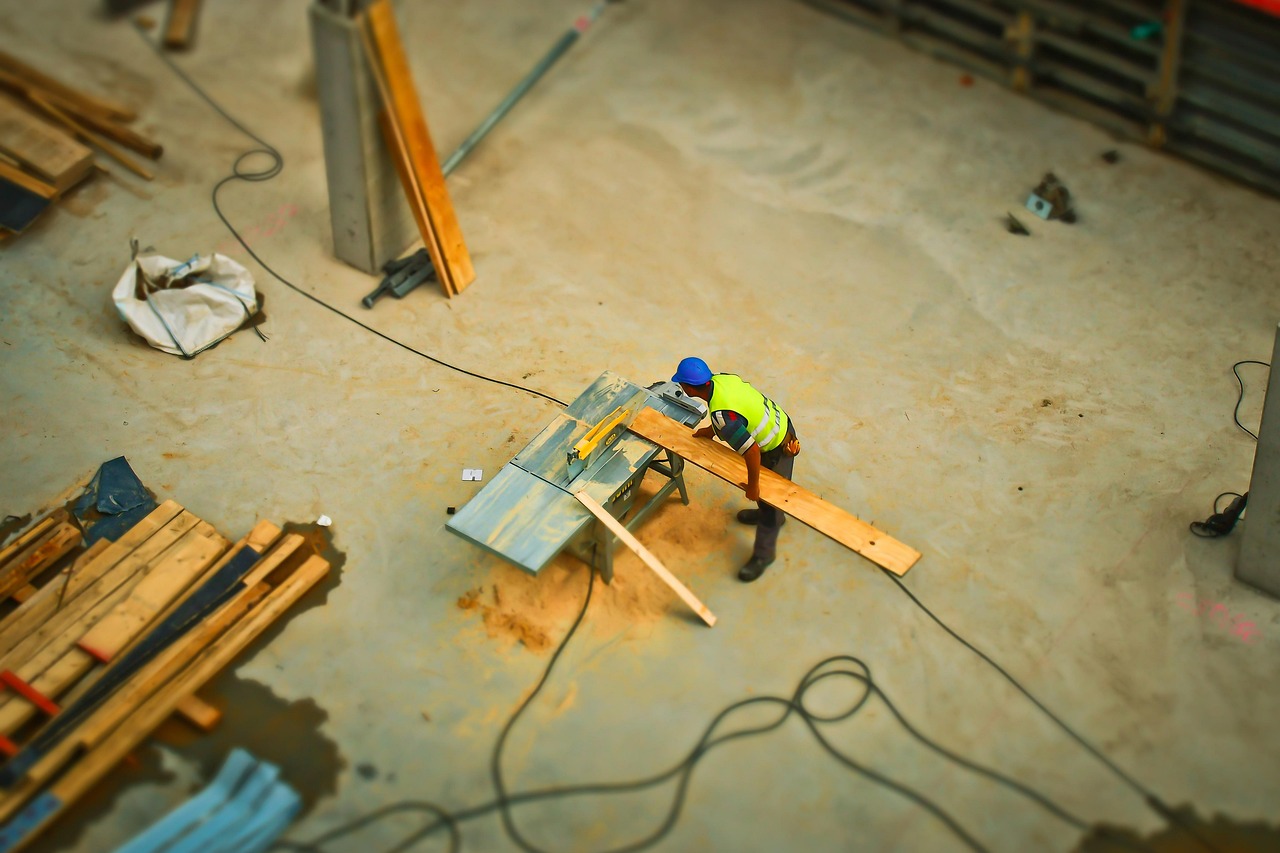
In the face of soaring housing costs and a growing urban population, accessory dwelling units (ADUs) offer a locally-focused solution to the region's pressing housing demand. These secondary dwellings, strategically designed and built within existing properties, provide affordable, sustainable housing options for a diverse range of community members. From young professionals seeking an urban lifestyle to empty nesters looking for supplemental income, ADUs offer a flexible and efficient way to maximize living space without the need for extensive land development.
The design and build process for ADUs in our region emphasizes both functionality and environmental responsibility. Local contractors, known for their expertise in modular construction and sustainable practices, lead the way in creating spaces that are not only energy-efficient but also enhance the overall aesthetic appeal of the neighborhood. Open floor plans, an abundance of natural light, and the incorporation of eco-friendly materials are hallmarks of successful ADU design, ensuring comfort and minimal environmental impact. The initial investment in these projects can be offset by the increased property value and potential for rental income, making them a smart financial decision for homeowners.
When considering an ADU, engaging with reputable local contractors and understanding the building permit process is crucial. The City of build offers clear guidelines and resources for homeowners, simplifying the application process and ensuring that all ADUs meet necessary safety and zoning standards. Customer reviews and local awards for excellence in ADU construction serve as a sign of the quality of work performed by these contractors, fostering a sense of trust and community. Local property management companies are equipped to handle tenant screening and lease agreements, providing a hassle-free rental experience for both property owners and tenants.
By embracing ADU design and build, our community can actively reduce its urban footprint while meeting the evolving housing needs of its residents. This locally-driven solution not only provides immediate relief for the housing market but also sets a precedent for sustainable development, encouraging further innovation and collaboration to create a more livable and resilient build.
Community-Driven Development: Collaborating on Eco-Friendly ADU Projects
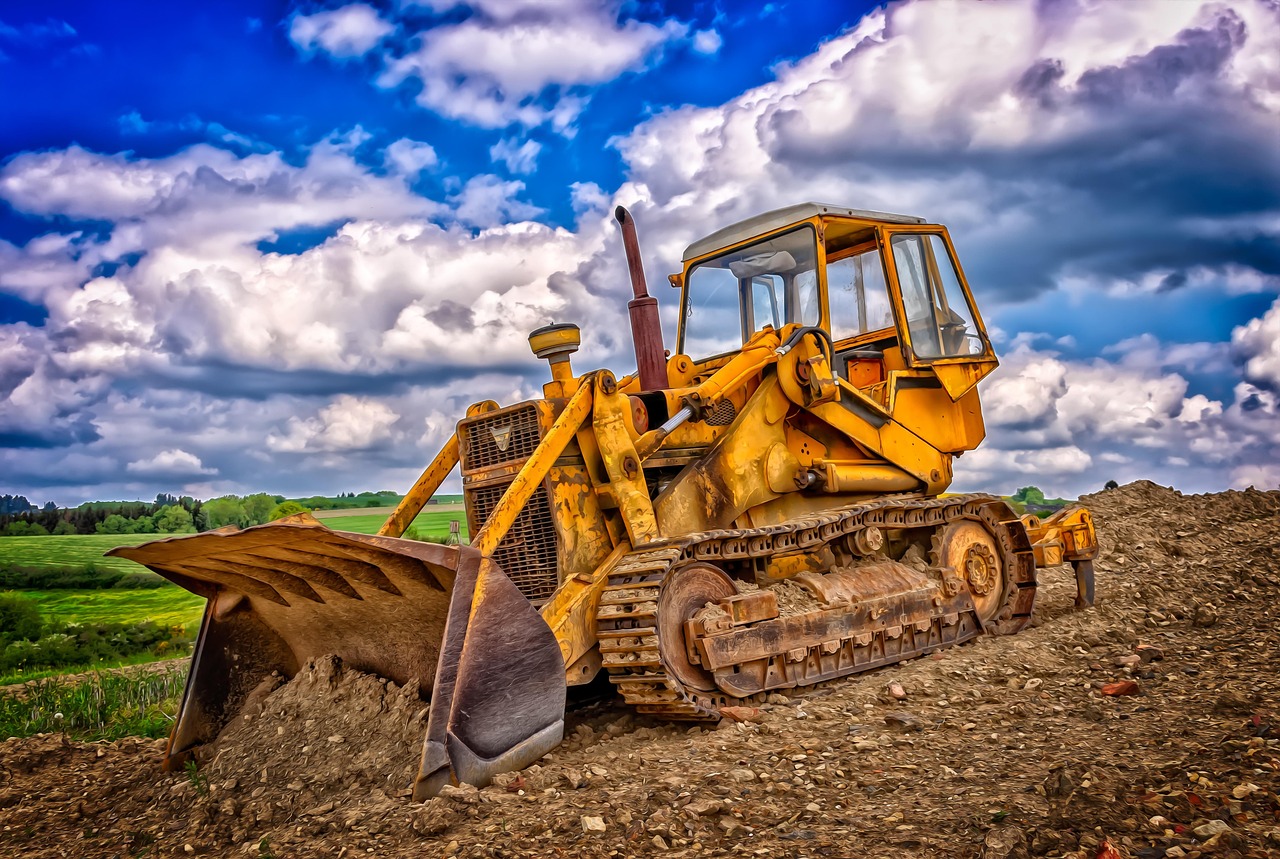
In the vibrant build community, the trend of accessory dwelling units (ADUs) is not just a passing fad, but a collaborative movement towards sustainable living. Local residents and businesses are joining forces to create eco-friendly ADU projects that not only add to the area's housing capacity but also enhance the community's green footprint. This community-driven development approach is reshaping the local landscape, making it a model for urban growth that balances environmental stewardship with affordable housing.
One of the key aspects of these ADU projects is the emphasis on natural, sustainable materials. Local contractors and designers are leveraging the region's rich resources, opting for wood over steel in many cases, due to its lower environmental impact and availability. Nearby specialists like GreenBuild Construction have received accolades for their innovative use of locally sourced timber in ADU installations, reducing transportation emissions and supporting the local economy. This trend not only cuts down on construction waste but also creates aesthetically pleasing spaces that blend harmoniously with build's natural surroundings.
The success of these ADU initiatives lies in the collaboration between residents, contractors, and the community itself. Online platforms and local forums facilitate the sharing of ideas and reviews, with adu reviews and ratings providing valuable insights for prospective homeowners. The recent ADU built for the Johnson family in the heart of build received rave reviews for its open floor plan, maximizing natural light and creating a welcoming atmosphere. Such projects not only cater to the growing demand for rental income and flexible living spaces but also serve as testaments to the community's commitment to eco-friendly design and construction.
Looking ahead, the local market data suggests a positive outlook for ADU specialists. As build continues to evolve, the demand for well-designed, sustainable ADUs is expected to rise. This presents a unique opportunity for nearby adu specialists to expand their services, cater to the needs of environmentally conscious residents, and contribute to the community's overall well-being. By staying informed about the latest trends in green building and fostering partnerships within the local ecosystem, these businesses can position themselves as leaders in the field, ensuring that build remains a shining example of community-driven, eco-friendly development.
Quick Reference
- Engage with local schools and community centers to educate on sustainable living and the benefits of ADUs, fostering a culture of environmental stewardship.
- Collaborate with local businesses to offer incentives for ADU construction, such as discounts on eco-friendly materials or energy-efficient appliances.
- Host community workshops on DIY green building practices and energy conservation, empowering residents to make informed choices.
- Partner with local government to develop zoning regulations that promote ADUs, ensuring they meet environmental standards and community needs.
- Implement a local recycling program for construction waste generated from ADU builds, reducing environmental impact and promoting resource recovery.
- Encourage the use of local, sustainable materials in ADU projects, supporting area businesses and minimizing the carbon footprint of construction.
- Organize neighborhood clean-up events to beautify public spaces and raise awareness about the importance of environmental conservation.
- Offer incentives for energy-efficient upgrades to existing homes, encouraging residents to improve their homes' sustainability and reduce overall community energy consumption.
- Establish a community garden in conjunction with ADU developments, promoting biodiversity and providing fresh, locally grown produce.
Revitalizing Urban Spaces: A Sustainable Dwelling Solution in a Crowded City
Local Challenge
In a bustling metropolis, a growing population and limited housing options have led to a surge in small-scale urban living. The city's historic district, known for its charming yet aging buildings, faced a dilemma: how to accommodate more residents while preserving the area's unique character. The challenge was to find a solution that could house more people without overburdening the local infrastructure or compromising the environmental integrity of the neighborhood.
Local Solution
The community embraced the concept of accessory dwelling units (ADUs), which are secondary residential spaces within an existing property. With the support of local architects, builders, and urban planners, a pilot program was initiated. The program encouraged property owners to convert their backyards, garages, or rooftops into functional, sustainable ADUs. The city offered incentives, including tax breaks and streamlined permit processes, to make the process more accessible and appealing.
Community Impact
The implementation of the ADU program brought about remarkable changes. The local construction industry experienced a boost, with over 50 new businesses, including contractors, designers, and small suppliers, sprouting up to support the ADU builds. Community engagement soared, with ADU owners actively participating in local events and neighborhood watch programs, fostering a stronger sense of community.
Local Business FAQ About The Environmental Impact of Accessory Dwelling Units
What are the primary environmental benefits of ADUs for our local community?
Accessory Dwelling Units (ADUs) offer a wide range of environmental advantages for local communities. They contribute to more sustainable urban development by reducing urban sprawl, minimizing the need for new infrastructure, and promoting higher density living. ADUs can help conserve natural resources by allowing residents to live closer to essential services and amenities, decreasing their reliance on cars. They can facilitate more efficient energy use through smaller, well-insulated spaces, and encourage the adoption of renewable energy sources as more units are added.
How do ADUs help with local housing affordability?
ADUs play a crucial role in addressing local housing affordability challenges. By providing additional, often more affordable rental options within established neighborhoods, ADUs can help stabilize or even lower rental prices. They also create more diverse housing choices, catering to various income levels and family sizes. This increased housing supply, coupled with more efficient land use, can help stabilize or even reduce home prices in the long term, making our community more accessible to residents of different economic backgrounds.
What are some community engagement strategies for ADU projects?
Successful community engagement for ADU projects involves transparent communication, public meetings, and direct consultations. Local businesses and property owners can organize information sessions to explain the benefits of ADUs, address concerns, and involve residents in the planning process. Partnering with community organizations and leveraging social media can also boost engagement. Providing opportunities for public input on design and placement ensures ADUs align with the community's needs and aesthetic preferences, fostering a sense of ownership and pride.
What local permits and regulations need to be considered for ADU construction?
Before constructing an ADU, local property owners must navigate several permits and regulations. This typically includes building permits, zoning permits, and possibly additional permits for specific uses or alterations. The local building department or planning office can provide guidance on required permits and codes. Understanding these regulations early ensures a smooth construction process, avoids legal issues, and prevents costly delays, ultimately benefiting both the property owner and the community.
How do ADUs impact local infrastructure and services?
ADUs can have a minimal impact on local infrastructure when planned and implemented thoughtfully. Properly designed ADUs can support existing infrastructure by increasing residential density without placing excessive demands on services. However, careful consideration should be given to water, sewer, and electric capacity, especially in older neighborhoods. Local businesses and developers can work with community leaders and utility providers to ensure infrastructure can support growth, preventing strain and potential service disruptions.
As we've explored the diverse benefits of accessory dwelling unit design and build in our build, it's clear that these sustainable, compact homes offer a powerful solution to our community's evolving needs. By integrating natural light and green materials, we can create eco-conscious spaces that reflect our build's unique character. From efficient construction and net-zero energy goals to inclusive design and collaborative community projects, ADUs have the potential to drive local economic growth while reducing our urban footprint.
By prioritizing open floor plans and modest designs, we can meet the needs of a diverse range of residents. Reputable contractors and local awards highlight the quality and expertise that goes into building these units, fostering trust among homeowners and tenants. Further, by engaging the community from the planning stages onwards, we can ensure that ADUs are not just built, but also lived in and enjoyed by our neighbors.
Looking ahead, the strategic placement and thoughtful design of ADUs in our build can contribute to a vibrant, sustainable future. Whether it's through rental income, tenant screening, or innovative property management strategies, these units offer a win-win scenario for both residents and the environment. Together, we can make our build a leader in accessory dwelling unit design and build naturally, creating a greener, more inclusive, and prosperous community for all.
Build's Accessory Dwelling Unit (ADU) Revolution:
- ADUs are transforming build into an eco-conscious community, providing affordable, sustainable living spaces.
- Local builders focus on open floor plans, natural light, and eco-friendly features, reducing carbon footprints.
- The market thrives, with investments ranging $50K-$100K, offering passive income potential.
- The local economy benefits from ADU construction, with each project impacting the community $50K-$75K.
- ADUs attract a diverse tenant base, contributing to a vibrant, inclusive build.
- Community-focused businesses lead the way in design, construction, and property management, fostering collaboration.
- ADUs showcase the region's commitment to green initiatives, setting a benchmark for sustainable development.